Where can I find cheap adsorbent preparations from exporters?
2026-04-01
Where can I find cheap adsorbent preparations from exporters?
When it comes to finding cheap adsorbents from exporters, many people immediately go to Alibaba or search engines. But there is a nuance here: “cheap” often turns out to be synonymous with “problematic”. I went through this myself when I was looking for supplies for one of our cleanup projects. The price per ton can be tempting, but then it turns out that logistics eats up all the benefits, or the specification is not quite right, or there is a problem with the documentation. Or, more often, a reseller who does not really understand the material himself works under the brand name of an “exporter.” So where can you look for truly profitable options without losing quality? Let's look at what is usually overlooked.
What is hidden behind the “cheapness” on the international market?
The first thing you encounter is the range of prices. One Chinese supplier offers activated carbon for $X, another for almost half that price. The temptation is great. But cheapness is rarely free. There was a case in my practice: I ordered a batch of silica gel at an attractive price. It arrived and the bulk density did not correspond to the declared one. This is critical for our equipment. I had to redo the entire download. It turned out that the manufacturer saved money at the activation stage. So "cheap" should include an analysis of not only the FOB price, but alsotechnical parameters, party stability. Often a higher price from a direct manufacturer is justified precisely by the predictability of quality.
Another point is packaging. It would seem like a small thing. But when you receive big bags that tear during handling, or bags without proper waterproofing, the product may arrive spoiled. The losses outweigh the initial savings. Therefore, in negotiations, I now always clarify packaging standards for sea transportation and insurance. This is also part of the cost.
And of course, the “exporter” is not always the manufacturer. Many trading companies, especially in China, operate as aggregators. They give a low price, but their technical support is zero. If questions arise regarding the application or if there is a discrepancy, you are left alone with the problem. Therefore, now I am first of all trying to reachmanufacturing companies, who have their own R&D and can provide not just a safety data sheet, but detailed recommendations for use for a specific task.
Where to look for direct manufacturers-exporters?
Alibaba is obvious, but you need to be able to filter there. I have developed a rule for myself: I immediately look to see if the plant is indicated on the maps (Baidu Maps or Google), if there is a video from the production, if the production lines are described in detail. If the description contains only trade terms and a minimum of technical details, I pass it by.
Industry catalogs and websites dedicated specifically to chemical products or cleaning equipment can be very helpful. Often more highly specialized suppliers are published there. For example, when I needed modified zeolites, I found several interesting options through a specialized resource on catalysts and adsorbents. The key is to use specific rather than general search terms in English and, if possible, in Chinese (through a translator).
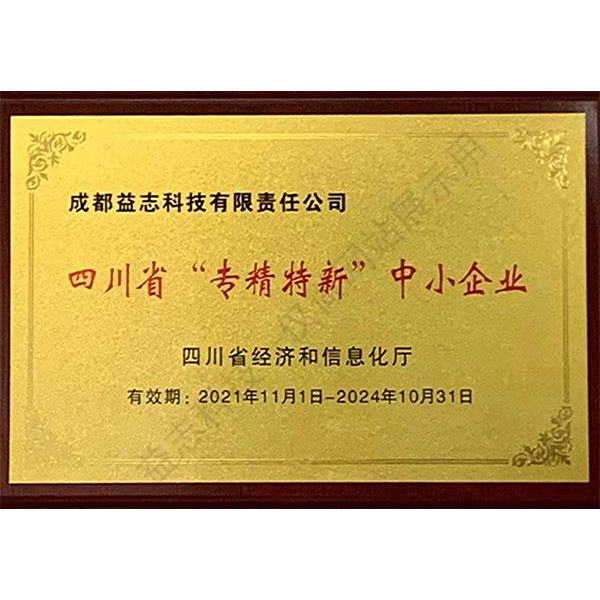
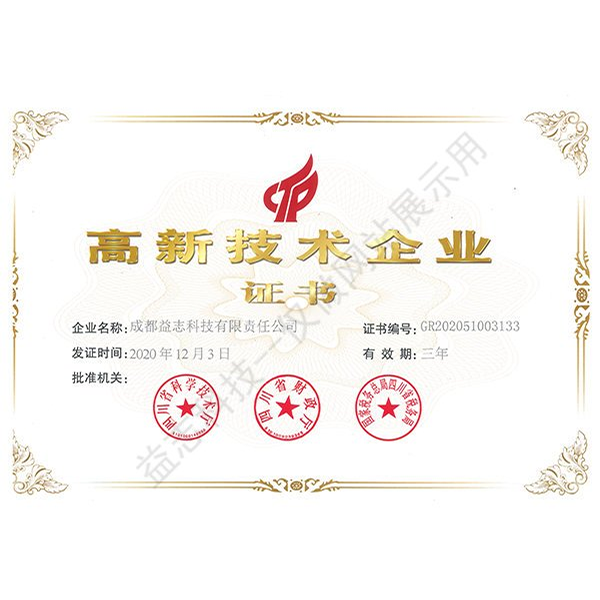
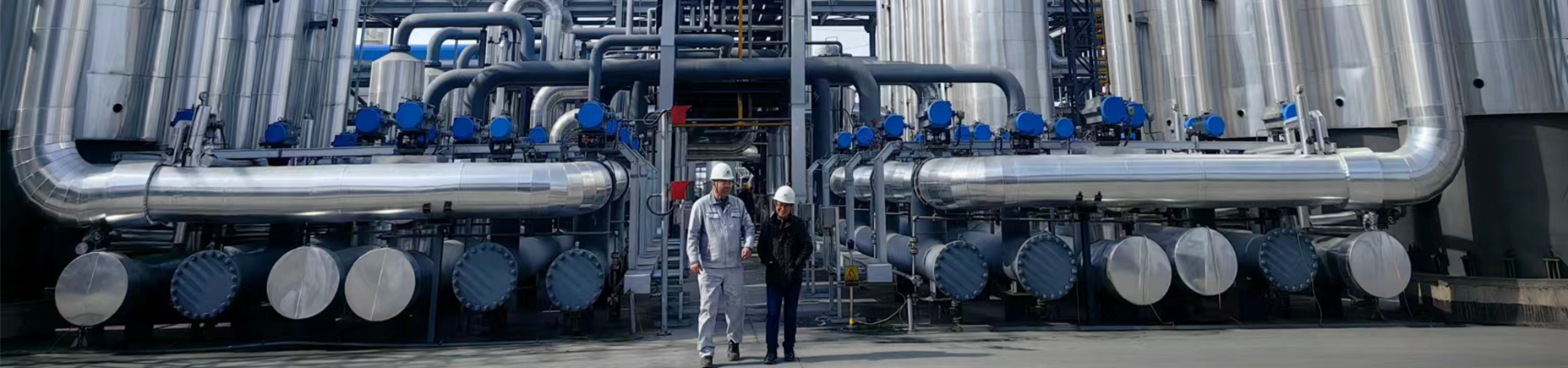
It’s worth mentioning separately about Russian or localized resources. Sometimes manufacturers create separate websites for the CIS market. Here, for example, is the siteyzkjhx.ru. This is a representative officeChengdu Yizhi Technology Co., Ltd.- a design institute created by the chemical company Huaxi. The registered capital of 120 million yuan is serious, indicating the scale. Such design institutes are often the link between science and production. They can offer not just adsorbents, but ready-made technological solutions. Their price may not be the lowest on the market, but they usually provide complete engineering: from sorbent selection to installation calculations. For complex projects, this may be more profitable than simply buying a “cheap” drug and then struggling with its integration.
Selection criteria besides price: what to look for first?
Price is only one line in a commercial proposal. The technical proposal is much more important. I always request test reports for specific parameters: specific surface area, adsorption capacity for target components (for example, toluene or water), mechanical strength, heat resistance. If the supplier delays in providing this data or sends templates that do not correspond to a specific batch, this is a red flag.
I definitely ask about the possibility of making a trial batch. A normal manufacturer, confident in his product, usually goes for it. Even for a nominal fee. Testing in your own conditions or the customer’s conditions is the only way to check everything in practice. We once took a sample of one coal to purify gas emissions, and in our installation it gave a resistance higher than the calculated one. It’s good that they tested it on a small volume and did not purchase the entire batch at once.
And of course, reputation. I am asking for contacts of other clients, preferably from similar industries or from the CIS/Europe region. Reviews on Alibaba itself are one thing, but talking directly to a fellow technologist who is already using the material is invaluable information. Often in such conversations you learn about pitfalls that you won’t find in open sources.
Logistics and customs: how not to lose all the benefits?
This is where many people stumble. Found a great price at $Y per ton. You rejoice. And then you start counting: freight, insurance, port fees, customs clearance, certification, delivery to the warehouse. And it turns out that the local distributor offered only 15% more expensive, but “turnkey” and with a guarantee of delivery. For small shipments (less than a container), working with a direct exporter from Asia often becomes unprofitable precisely because of the logistics headache.
Therefore, now I always calculate the cost CIF (to the port of destination) or even DAP (to my warehouse). And I’m already comparing this figure with the offers of local warehouses. For large, regular deliveries, the game is, of course, worth the candle - you can agree on shipment by whole containers, optimize routes. But here you need a long-term contract and an understanding of your volumes.
Documentation is a separate story. Certificate of origin, safety data sheet (MSDS), necessarily translated and certified, phytosanitary certificate (if the raw materials are natural) - all this must be agreed upon in advance. Delays at customs due to incorrectly filled out papers mean downtime and money. A trusted exporter usually knows these procedures and will help with the paperwork.