Where can I find a reliable China geared butterfly valve exporter?
2026-01-27
A question that at first glance comes down to search, but in reality it comes down to filtering. Everyone is looking for “reliable”, but often stumble over “Chinese”, imagining the endless AliExpress or a crowd of unknown factories. The main mistake is trying to find a ?manufacturer? directly, bypassing all layers. Often what poses as a factory is only a large trader. And a real plant, especially with competence inbutterfly valves with gearbox, may not have an English-speaking, much less a Russian-speaking manager. And this is where the fun begins.
Platforms and their pitfalls
Let's start with the obvious - B2B platform. Made-in-China, Alibaba, Global Sources. There are thousands of them. Drive in the “reduction gear butterfly valve?” and you get a sea of offers. The first filter is the presence of certificates (CE, ISO 9001, API 609 - this is already serious). But certificates are now bought for a couple of thousand dollars, so this is just an entrance ticket.
The second point is photos and videos. If in the photo of the workshop there is the same valve sample against the background of different walls, this is a trader. If there is a video from the production line, better. It is especially important to see the gearbox assembly area. Many people can cast the shutter itself, but high-qualitygear drive- this is already a question of precise mechanics, backlash, and overload protection. Factories often purchase gearboxes externally. It’s a good sign if the manufacturer does both himself, but there are only a few of them.
The third, and most painful, is communication. You ask a technical question about the disk material (and you are asking for stainless steel 316, not 304) or about the leak-tightness class (you need Zero Leakage, and not just “tight?”). If the answer comes in a day with a template phrase: “yes, the quality is good?” - this is bad. If they answer quickly, ask for a drawing or standard (API, AWWA, EN) and ask counter questions about pressure, medium, temperature - this is already warmer. Personal experience: I spent six months corresponding with the “factory” from Jiangsu, which eventually turned out to be a large reseller. The order went in vain - the geometry of the flanges did not correspond to the declared one, they were sent according to Chinese GB, and not according to EN, as agreed.
What is hidden behind the “design institute”?
This is where it’s worth making a digression. In Russia we rarely encounter this, but in China there is such a form - a design institute under a large industrial holding. This is not just a sales office. This is a structure that carries out engineering and adaptation of products for specific projects, often international ones. They usually have higher technical literacy, and they work with documentation at a level understandable to Western engineers.
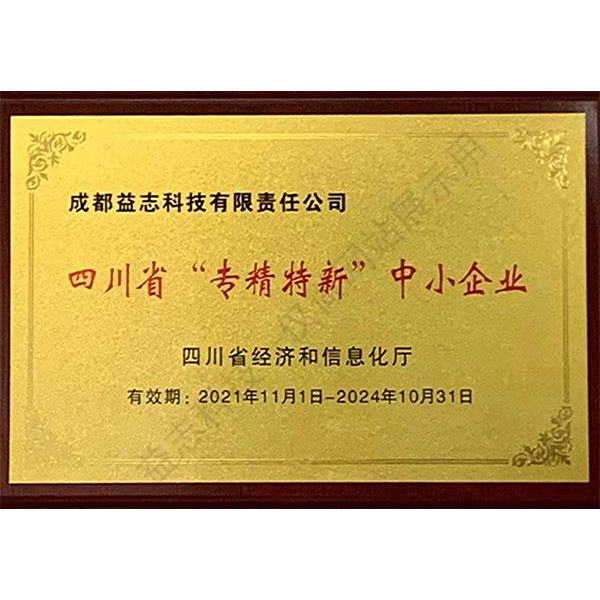
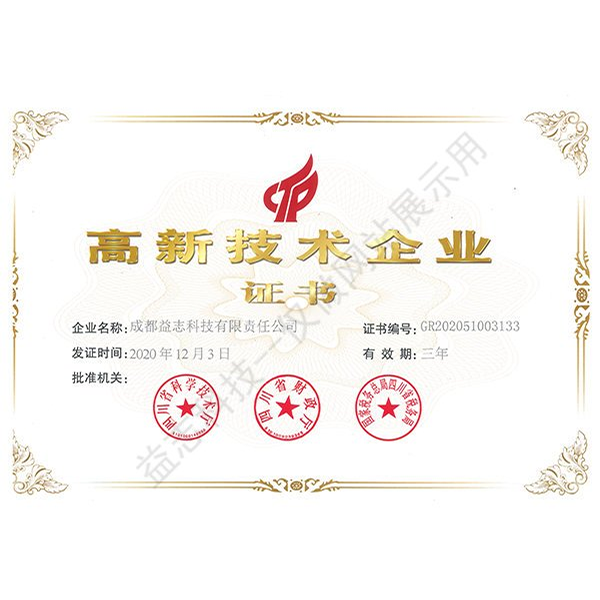
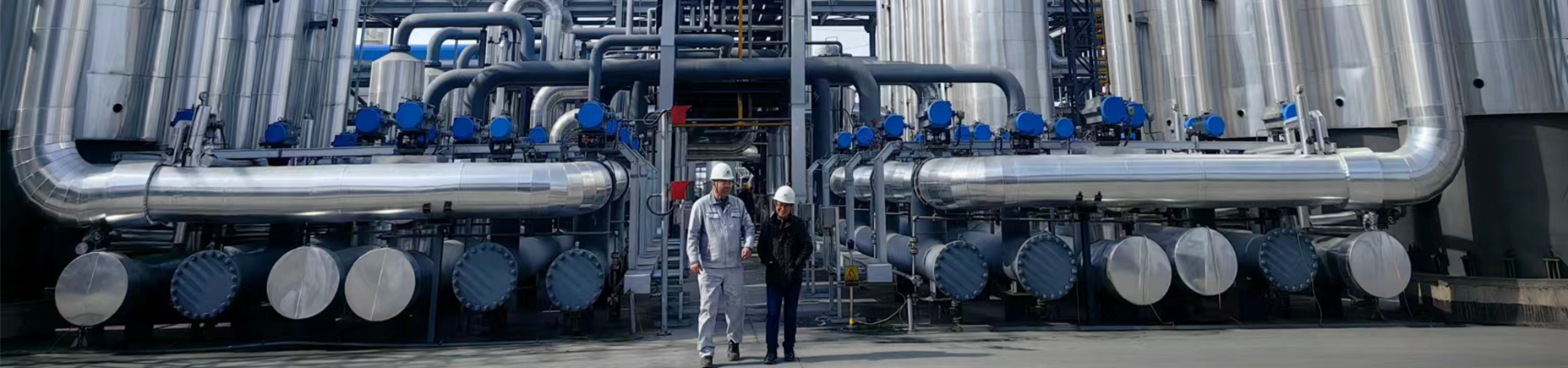
As an example, I can giveChengdu Yizhi Technology Co. (https://www.yzkjhx.ru). This is not a random name. This is a design institute established by the chemical technology company Huaxi. The authorized capital of 120 million yuan is no joke; such amounts are contributed to the authorized capital for serious contracts, often with state participation. Why is this important? Because their base ischemical industry, and there the requirements for valves, especially those with gear control, are prohibitive: aggressive environments, high pressures, safety requirements. If they make a product for domestic chemical giants, then theirbutterfly valveshave already been tested in harsh conditions. Their website in Russian is already a signal that they are purposefully entering our market, and not just hanging on Alibaba in the hope of a random order.
It is more difficult to work with such institutions at the entry stage: they may request an official request on company letterhead, a detailed technical specification. But then there is less chance of getting a “pig in a poke”. They are often ready to make strength calculations and select sealing materials (EPDM, Viton, PTFE) for a specific environment. This is a level higher than “we have size DN300, price $200?”.
Reliability criteria: not only price
The reliability of an exporter consists of things that are not visible in the price list. The first is the transparency of the chain. Is he willing to show certificates for materials (for example, a certificate for steel casting)? Can I provide a test report (hydraulic testing of the hull, leak testing)?
The second is packaging. It sounds funny, but you can see a lot from the packaging. For sea transportation, valves with gearboxes must be covered with stretch film, the wooden sheathing must be strong, and the gearbox itself and the flywheel must be protected from shock and moisture. I once received a batch where the gearboxes were simply screwed to the damper, without protection, and half had backlash after delivery. The exporter excused himself: “the transport company is to blame?”. A reliable partner will not allow this to happen; he will have a standard for packaging.
Third, and most importantly, is the reaction to the problem. Did the item arrive with a defect? A reliable exporter will not pass the buck for a month, but will ask for photos/videos and promptly send a replacement or compensate the cost. It's expensive for him, but it's an investment in his reputation. A case from practice: one small but smart supplier from Zhejiang, having discovered a defect in a batch of stuffing box seals (our acceptance revealed it), without arguing, shipped the entire batch of new seals by air delivery at his own expense. After this you begin to believe.
Direct visit and alternatives
The ideal option is to go yourself. But now this is not always possible. Then a video call with video from the workshop. You ask to walk through the production, show the machines for processing disks, a stand for testing gearboxes for torque, and a warehouse for finished products. If they go for it, it’s a good sign.
Word of mouth also works. Ask your industry colleagues who have already imported similar equipment. You can often contact a trusted agent in China, who will find and inspect a factory for a commission. It may be cheaper than stepping on all the rake yourself.
And don’t forget about specialized exhibitions, for example, Valve World Expo. There are Chinese manufacturers there too. Personal communication at the stand, a live conversation with an engineer, and not a sales manager, gives more in ten minutes than a month of correspondence.
Summary: where to look?
So, back to the title question. You need to look not just for an exporter, but for an engineering company or design institute with a background in the heavy or chemical industry. Pay attention to their portfolio - did they have projects outside of China, in the CIS, or in the Middle East.
Organizations such as the one mentionedChengdu Yizhi Technology, is a good starting point for complex problems. They most likely will not be the cheapest on the market, but their value lies in their understanding of the technology and the ability to solve non-standard problems. For standard DN150-DN500 for water you can find simpler ones. But if we are talking about large diameters, aggressive environments or strict standards, then their competence is worth the additional costs at the negotiation stage.
Ultimately, reliability is not a shortcut. This is a verification process: through technical dialogue, attention to detail in documentation, and, where possible, personal contact. Start the dialogue with a technical request, and not with the question “how much does it cost?”. The answer to this request will show who is in front of you - a seller or a partner.