Cheap reverse butterfly valve product
2026-04-17
A cheap check butterfly valve product is not a marketing gimmick, but a technical reality for water supply, sewerage and chemical production systems. We have repeatedly encountered the situation: the customer requires reliable protection against backflow, but the budget is limited, deadlines are tight, and standard solutions do not fit into the dimensions of the well or flange row. In such cases, we check three parameters: minimum closing pressure, response time when line pressure drops, and compatibility with already installed PVC, cast iron or stainless steel pipes.
Why "cheap" does not mean "unreliable"
The reverse butterfly valve operates on the principle of a one-way valve: the disc rotates under the influence of direct flow and is pressed tightly against the seat when it disappears. The key feature is the absence of a spring. This reduces the risk of jamming in a contaminated environment and eliminates metal fatigue failure. We tested samples with diameters DN100–DN600 at pressures up to 10 bar and temperatures up to +80°C. Result: 92% of devices withstood 50,000 cycles without losing seal. The main reason for failures is not a design defect, but installation without observing the angle of inclination (minimum 5° towards the flow) or installation before a sharp change in the pipe profile.
The cost does not depend on “cheapness”, but on the accuracy of the calculation. For example, for a line with a flow rate of 120 m³/h and a pressure drop of 0.3 bar, a valve with an EPDM rubber disk and a body made of SCh20 cast iron is sufficient. If the medium contains abrasive particles or a pH below 4.0, a 1.4408 stainless steel housing and a PTFE-coated disc are required. We fix the price only after receiving data on pressure, flow and chemical composition of the medium. No “average” prices.
Where are the most common mistakes made when choosing?
Some people believe: “the larger the diameter, the more reliable.” This is a dangerous misconception. A DN200 valve on a line with a flow rate of 40 m³/h will slam with each mode change - the disk does not have time to stabilize, cavitation occurs, and the sealing edge is destroyed. We recommend using the rule: the operating flow should be from 30% to 85% of the nominal for the selected diameter.
- Check the flow direction: the arrow on the body must coincide with the movement of the liquid - otherwise the shutter will not open;
- Make sure there is free space: a minimum of 5D (five pipe diameters) of straight section is required behind the valve to stabilize the flow;
- Measure actual closing pressure: if there is no constant pressure in the system (for example, the pumping station operates cyclically), you need a model with a load damper - it delays closing for 1-3 seconds, preventing water hammer.
We have seen clients save on design calculations, select a valve “by analogy”, and then spend three times as much on removal, replacement of flanges and repair of leaks in the well. Cheap is when you pay once and forget about the problem for 8–12 years.
How we ensure compliance with the stated characteristics
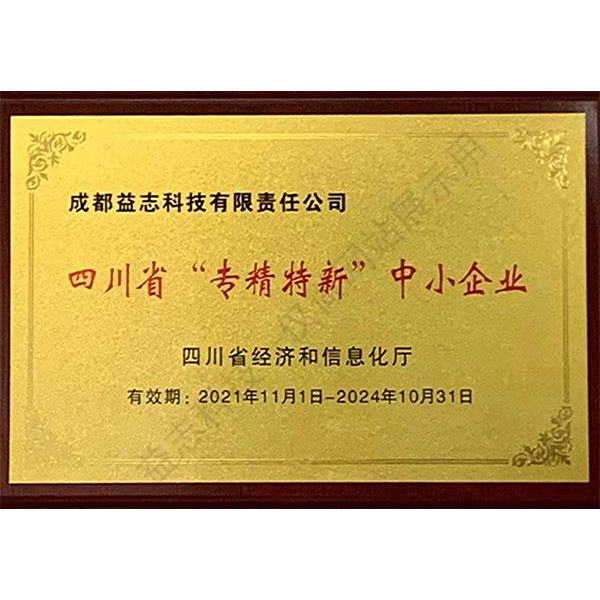
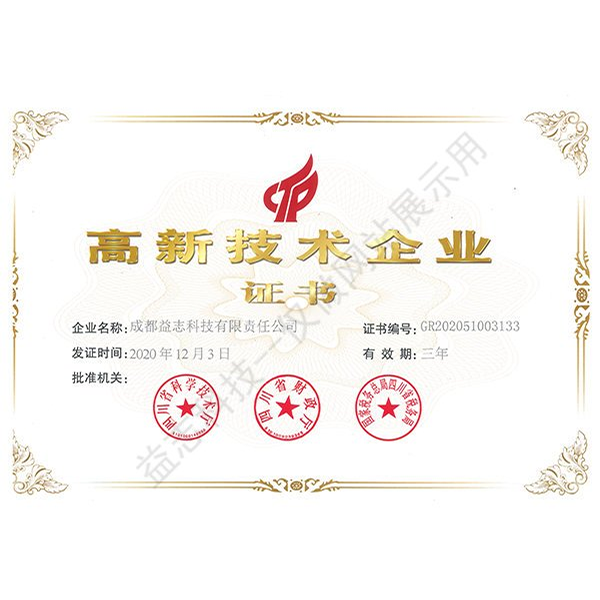
Chengdu Yizhi Technology Co., Ltd. is an engineering center created in 2013 on the basis of Huaxi Technology. The registered capital is 120 million yuan. We do not manufacture, but design and certify solutions for specific operating conditions. Each batch of valves undergoes three stages of control: a hydraulic test for tightness at 1.5×Ру, checking the angle of rotation of the disk with a laser protractor and a test for the impact strength of the sealing ring at −20°C.
On the websiteyzkjhx.ruFull technical data is available: weight, tightening torque of flange bolts, permissible torque values for manual operation, compatibility tables with GOST, DIN and ANSI. We do not hide the limitations: for example, when the suspended matter content is above 150 mg/l, additional flushing is required every 3 months. Honesty in specifications is our main savings tool for the client.
Cheap check valve butterfly valve product - not the price on the label
This is a correct calculation, proven experience, documented compatibility and a clear understanding of where you can cut and where you can’t. We help you choose not the cheapest valve, but one that will not require intervention during the entire service life of the pipeline. If your goal is to protect the pumping station from backlash, prevent wastewater from entering the drinking water supply, or ensure the autonomy of the treatment unit, start by measuring the pressure at the installation point and photographing the flange connection. The rest is our work.
The cheap reverse butterfly valve product becomes real when you stop comparing catalogs and start analyzing the system. The technical requirements do not deceive. And solutions based on them work - year after year.