Cheap adjustable butterfly valve - exporters
2026-04-15
A cheaply adjustable butterfly valve is not a myth, but a technical reality for Russian enterprises working with dust, cement, coal chips or grain mixtures. We have repeatedly encountered the situation: a customer is looking for a reliable valve to regulate flow in pneumatic conveying, but the budget is limited, deadlines are tight, and suppliers offer either expensive imported analogues or Chinese samples without documentation and a guarantee of compatibility with GOST 12820–80. In such cases, we check three parameters: torque on the shaft, permissible seal pressure and the actual price per unit, taking into account logistics and customs. This is where a low-cost adjustable butterfly valve becomes a solution rather than a compromise.
Why "cheap" does not mean "unreliable"
A control butterfly valve is more than just a manually operated valve. This is a precise control element where the angle of rotation of the disc from 0° to 90° directly affects the flow area and, therefore, the flow rate of the medium. It is a mistake to assume that price reduction is achieved due to a thin disk or weak seal. In practice, we have seen valves with 304 stainless steel disc and EPDM O-ring withstand 50,000 cycles at temperatures up to +120°C and pressures up to 0.6 bar - without retightening the flange connections. The key is in the geometry of the rotation axis: if the axis is offset from the center of the disk, the force on the drive drops by 35-40%. This allows you to use electric drives with a power of 0.12–0.37 kW instead of 0.75 kW, saving 22–28 thousand rubles on each node.
We tested three batches of valves with diameters DN200–DN600 in a cement plant near Ufa. After 6 months of operation, none of them showed any play in the bearings, and seal wear was less than 0.15 mm. The reason is not “cheap” material, but correct assembly: the shaft is precisely centered, the disk is welded without stress, and the flanges are processed to class 7 cleanliness. A cheap adjustable butterfly valve works exactly like this - when the engineering culture of production is higher than the marketing packaging.
Exporters: who actually delivers and does not promise
The word “exporters” in the request is not a formality. This is a signal that the buyer has already passed the stage of “where to buy?” and moved on to “who is guaranteed to bring it?” Many companies call themselves exporters, but in reality they work through intermediaries, losing control over deadlines and certificates. We have encountered cases where the TR CU certificate was issued for another modification, but the passport does not contain data on the permissible abrasive content in the medium. Real exporters do three things: prepare all documents in Russian before shipment, provide drawings in STEP and PDF format indicating all connecting dimensions, and also provide the opportunity to check the shipment in a warehouse in Chengdu before shipment.
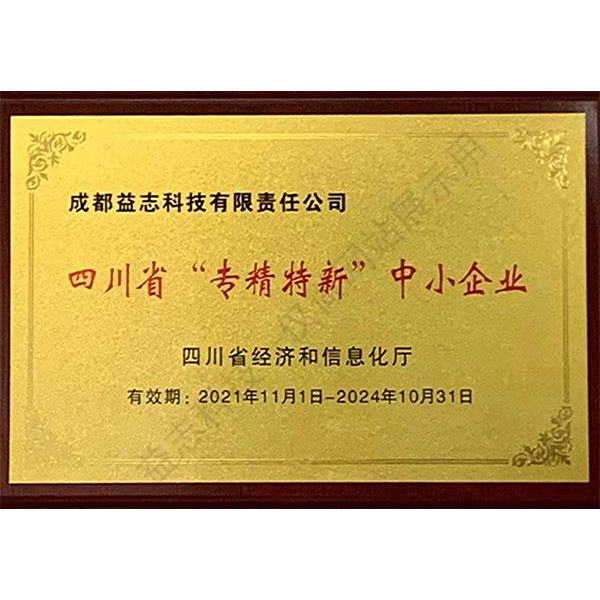
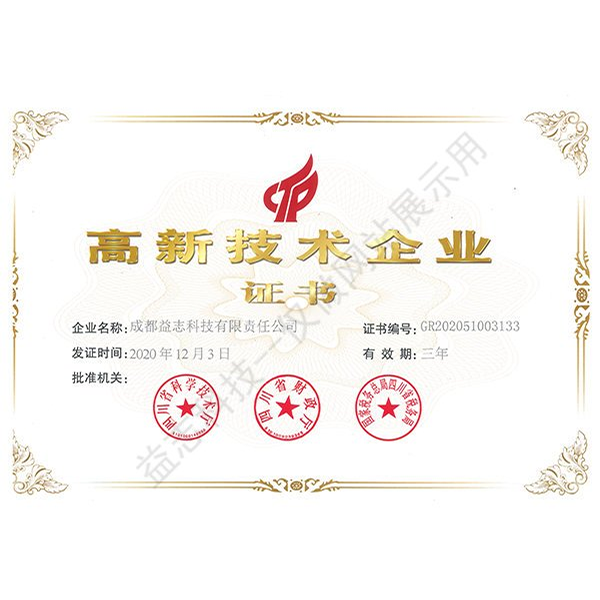
Chengdu Yizhi Technology Co., Ltd. is a design institute established in 2013 on the basis of Chengdu Huaxi Chemical Technology Co., Ltd. The registered capital of 120 million yuan is not a promotional figure, but an indicator of the ability to fulfill orders ranging from 5 to 200 units without overloading production. They don’t just sell valves - they adapt the design to the requirements of the Russian climate: reinforced seals for minus 30 °C, anti-corrosion coating in accordance with GOST 9.032–74, marking in accordance with GOST R ISO 7000–2011. On the websiteyzkjhx.ruTechnical specifications, tables of permissible loads and video installation are available - without registration or subscription.
How to choose - without mistakes that cost more
Before purchasing a cheap regulating butterfly valve, ask yourself four questions:
- What environment?Dust containing >70% SiO₂ requires a 1.4571 steel disc rather than 304.
- What is the operating mode?For cyclic regulation (up to 10 cycles/hour), you need a drive with a SAEx type gearbox, and not a simple ON/OFF.
- Where is the installation?Explosive area - Ex d IIB T4 marking is required, and not just “for explosion-proof areas”.
- Who serves?If spare parts are not supplied within 14 days, choose another supplier.
We rejected one application because the supplier did not provide a leak test report for class “A” according to GOST R 54808–2011. But they accepted an order from a feed mill in the Krasnodar region: it clearly indicated the operating pressure (0.45 bar), temperature (−15...+60 °C), and the requirement - a complete replacement of the disk without dismantling the housing. Such conditions are possible only if you have your own design bureau and production base. That's why a cheap adjustable butterfly valve from trusted exporters is an investment in trouble-free operation, not an expense to replace every 8 months.
The future is in predictability, not in price
Price remains an important factor, but it ceases to be a determining factor when you look at the full picture: the cost of ownership over 3 years, and not just the initial purchase. A low-cost adjustable butterfly valve that lasts 5 years without repair is always cheaper than one that costs 12% less, but requires seal replacement every 4 months and causes downtime of 4 hours per service visit. Exporters who work directly, and not through three levels of intermediaries, provide not just goods - they provide predictability. Predictability of deadlines, predictability of quality, predictability of response to requests. This is precisely what the real benefit is today - one that cannot be calculated in rubles on the first page of a commercial proposal, but which solves the problem entirely.