What are the innovations in the production of water adsorbents?
2025-01-25
The production of water adsorbents is an important industry aimed at ensuring the quality and safety of water resources. With the introduction of new technologies and materials, the process of water purification from contaminants and impurities has improved. Innovations in this area can not only increase the efficiency of treatment, but also reduce the costs of production and operation of treatment facilities. An important aspect is the environmental safety of the materials used, which helps preserve the environment. Modern research developments are aimed at creating more porous, active and durable adsorbents, which are used in a wide variety of industries - from industry to domestic use. Let's take a closer look at what innovations and prospects are opening up for the water adsorbent industry.
New materials in the production of water adsorbents
Research in materials science has opened up new possibilities for creating more effective water adsorbents.Carbon nanomaterials, such as nanotubes and graphene, have unique properties that make them excellent candidates for use in adsorbents. These materials have a huge surface area and high adsorption capacity, which improves the water purification process. The synthesis of nanomaterials is becoming more accessible and economical, which contributes to their widespread use in the industry.
In addition, new generation polymer adsorbents are gaining popularity due to their versatility and ability to selectively remove specific contaminants. Modern technologies make it possible to tune the physical and chemical properties of polymers, achieving high selectivity and efficiency. Most polymers can be recycled and reused, reducing financial and environmental costs.
More recently, biotechnological solutions have taken another significant step forward. The use of biopolymers and natural sorbents such as chitosan and alginate, which are highly biocompatible and effective, is gaining momentum. Their use reduces the risk of pollution from secondary products and contributes to sustainable development.
Technological processes and automation
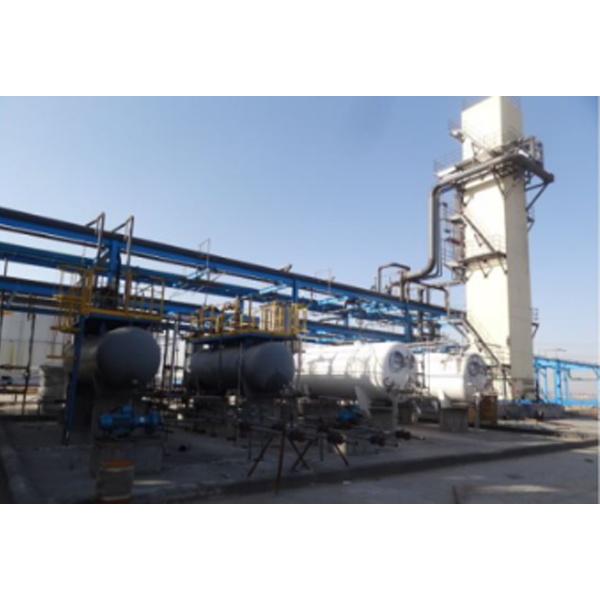
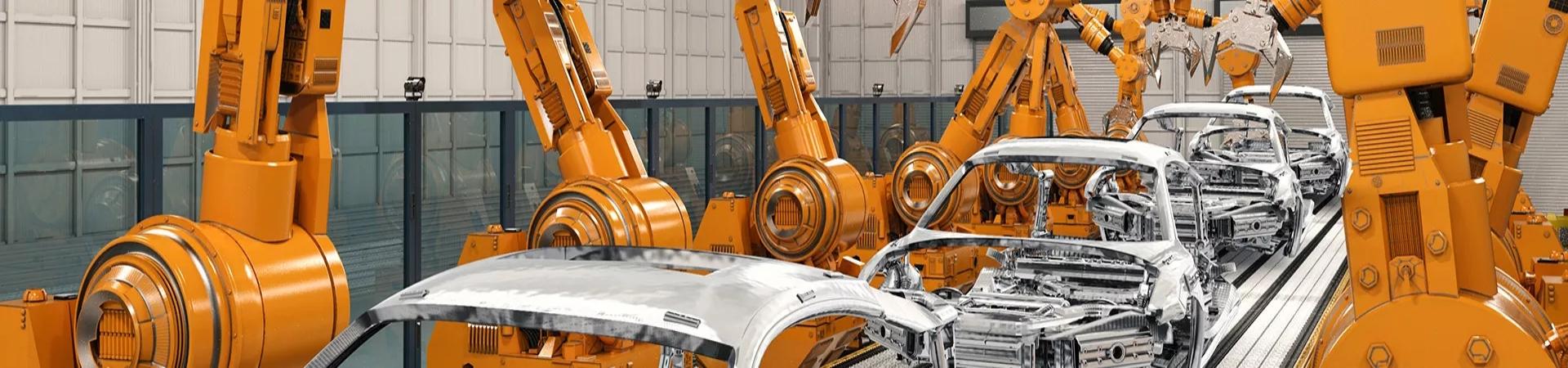
Modern technological processes in the production of water adsorbents have advanced significantly thanks to automation and the introduction of intelligent control systems.Water adsorbents plantToday, automated lines are used that make it possible to control product quality at every stage of production. Real-time monitoring systems and machine learning algorithms help optimize processes, reduce losses and increase finished product yield.
Innovative methods, such as 3D printing, make it possible to create adsorbents with a specified architecture and pore structure. This makes it possible to improve adsorption characteristics and extend the service life of materials. The use of robotics and automated raw material delivery systems reduces human labor and increases the accuracy of processes, which ultimately increases the productivity of the entire plant.
Sensor technologies also play an important role in modern manufacturing. Sensors integrated into production lines allow you to quickly identify deviations and minimize the risk of product defects. The ability to adapt production processes depending on the characteristics of the raw materials used and the final requirements increases the competitiveness of companies in the market.
Environmental and social responsibility
Issues of environmental and social responsibility are becoming increasingly relevant for manufacturerswater adsorbents. Reducing the carbon footprint and environmental impact is an important part of the development strategies of leading companies. The use of renewable raw materials, such as organic polymers and biosorbents, helps minimize environmental damage and makes production more sustainable.
It is important for companies not only to minimize the negative impact on nature, but also to actively participate in social projects. Addressing problems with access to clean water in developing countries is becoming a valuable contribution to global efforts to improve quality of life. Innovative solutions usedwater adsorbents factory, can offer affordable and effective ways to purify water for regions in need.
Ethical standards also include concern for the health and safety of employees. Training and implementing best practices for handling chemical materials helps prevent incidents and protect workers from exposure to hazardous substances. Improving working conditions improves productivity and overall morale in the company.
Prospects and challenges
Marketwater adsorbentscontinues to expand along with growing demands on water quality and safety. Innovation in this area is needed to achieve more ambitious goals, be it treating industrial wastewater or providing clean drinking water to remote communities. However, the industry also faces serious challenges.
One of the main obstacles remains the high cost of new technologies and materials. To make them more affordable, further research and development is needed to help reduce production and integration costs. The problem of recycling used adsorbents also remains relevant, which requires the introduction of closed recycling cycles and an increase in the share of recycling.
Current norms and standards also need to be revised to meet new realities and technological capabilities. This concerns not only the certification and exploitation of new materials, but also the creation of effective legislative frameworks that support innovation and clean technologies. In this context, closer collaboration between academia, government and industry is important to successfully adapt the market to new challenges.
Impact of nanotechnology
The use of nanotechnology in the production of aqueous adsorbents provides new horizons for improving the characteristics of materials. Nanoparticles make it possible to create structures with unique morphology and sizes that increase the surface area and change the chemical properties of adsorbents. Such technologies open up additional opportunities for the selective removal of complex contaminants, including heavy metals and organic compounds.
Thanks to nanotechnology, new types of water adsorbents are emerging, such as superamphipathic materials, which can work effectively in a wide range of conditions. This makes it possible not only to improve the quality of water purification, but also to reduce the cost of processing and updating adsorbents.
Modern research is also focused on creating nanocomposite materials that combine the advantages of several components. These materials combine strength, chemical resistance and high adsorption capacity. Thus, nanotechnology is becoming an indispensable tool in creating more advanced and efficient adsorbents that improve the quality and availability of clean water.
Moscow center for development and cooperation with world leaders
Moscow plays an important role in the development and implementation of innovative solutions for the production of water adsorbents. Research centers here actively collaborate with international companies and academic institutions, creating advanced technologies that are used throughout the world.
Russian scientists are working on projects related to improving existing water purification methods, and are also developing new materials and approaches that can be applied in a variety of conditions - from industrial polluted waters to domestic needs. The Moscow center serves as a link between research and its industrial implementation, shortening the path from a laboratory prototype to mass production.
An important aspect is cooperation with world leaders, such as companies from Europe, the USA and Asia. Joint projects allow us to use the best global experience, accelerate the implementation of innovations and promote advancement in the global market. Developing infrastructure, government support and openness to international cooperation make Moscow a strategically important center for the further development of the water adsorbent industry.
A focus on international cooperation and exchange of experience helps not only improve product quality, but also accelerate progress in the protection and restoration of water resources. This direction remains a priority for all market participants striving to achieve a more sustainable and cleaner future.