What are the trends in the production of adsorbents in China?
2025-12-12
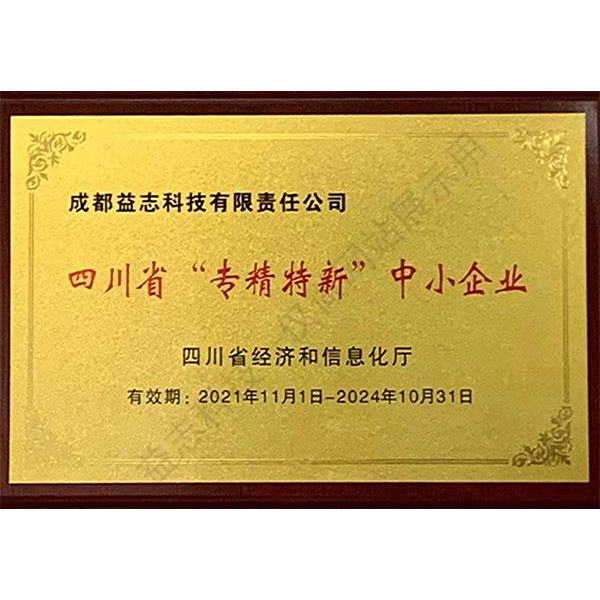
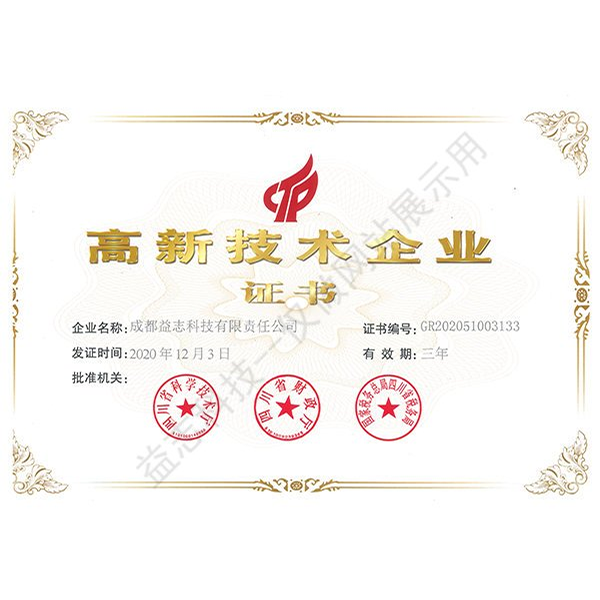
The adsorbent industry in China is experiencing rapid growth, which is not surprising given the increased interest in environmentally friendly technologies and innovation. On paper everything seems smooth, but in practice everything is far from so simple. What's important here is to understand which trends actually work and how they are applied in specific enterprises such as Chengdu Yizhi Technology Co.
Innovations in adsorbents
The first thing that catches your eye is the desire to implementinnovation. Chengdu Yizhi Technology Co., as well as other similar enterprises, is actively researching new materials that can improve adsorption efficiency. For example, modern carbon nanotubes and graphene composites are attracting the attention of researchers due to their high surface area and unique properties.
Problems, however, arise when scaling production. There is a big difference betweenlaboratoryresults and industrial lines, especially when it comes to cost and process stability.
However, enterprises such as Chengdu Yizhi are seeking solutions by implementing pre-inspection steps during the design phase to minimize the risk of failures in production.
Environmental friendliness and sustainable development
China's environmental policies require increasing attention to sustainable development. To this end, many enterprises, including Huaxi Technology, the parent company of Chengdu Yizhi Technology Co., are working to reduce the carbon footprint of their operations.
The use of natural materials and recycling of secondary resources become a priority. For example, the use of low-carbon bio-fiber-based sorbents can offer significant reductions in CO2 emissions.
The approach to sustainability here is not just a trend, but a necessity forced by both regulation and the market, which is becoming increasingly focused on sustainable development.
Personalization and specific solutions
The industry is gradually moving away from universal solutions in favor of personalized adsorbents designed to meet specific customer needs. For example, Chengdu Yizhi Technology Co. pay special attention to designing solutions for specific operating conditions.
This path comes with a number of challenges. Additional resources are needed for research and development departments and, of course, flexibility in production lines. Not all companies can afford to make such changes, but those that do gain a clear competitive advantage.
Another challenge here is the constant need to update and adapt existing technologies to changing market requirements.
Domestic market growth
The domestic adsorbent market in China continues to develop due to increasing demand from industrial and household sectors. Chengdu Yizhi Technology Co., for example, is actively studying demand and expanding its capabilities to be more competitive.
One interesting point is the growing interest in adsorbents for air and water purification in large cities. The environmental situation in megacities greatly influences demand, and companies that offer effective solutions become market leaders.
Of course, there is also support from the government for companies looking to develop their products, which opens up more and more investment opportunities in this area.
Technical cooperation and exchange of experience
China, despite its technological achievements, recognizes the importance of international cooperation in research and development. Companies such as Chengdu Yizhi are actively exchanging experiences with foreign partners.
Such cooperation allows not only to adopt best practices, but also to adapt them to local conditions. In the past, such interactions often faced cultural and language barriers, but are now becoming more productive due to global openness.
Support for such initiatives leads to the emergence of new technologies that can be used to improve the production quality and efficiency of adsorbents.