What are the innovations in the field of air adsorbents?
2025-02-15
In the modern world, the problems of air pollution are becoming more and more pressing. Every year the level of urbanization and industrial production is growing, inevitably leading to an increase in emissions of harmful substances into the atmosphere. In response to these challenges, humanity is actively developing innovative technologies in the field of air purification. Air adsorbents have become one of the key elements in this fight for the environment. They help trap and retain pollutants, preventing them from entering the lungs. As technology advances, adsorbents are also constantly being improved to become more efficient and cost-effective. Next, we'll look at which innovations in this area are getting the most attention.
Modern materials for adsorbents
Modern technologies make it possible to create adsorbents from a wide variety of materials. The most popular are activated carbon and zeolites, which have been used for air purification for several decades. However, they are being replaced by more modern and efficient materials. Nanomaterials such as graphene provide unique properties, significantly improving the ability to retain harmful substances. In addition, composite materials created on the basis of chemical synthesis make it possible to combine the best qualities of several types of adsorbents. Such materials not only increase efficiency, but also save on production costs, making air purification technologies more affordable.
Development of technologies for the production of adsorbents
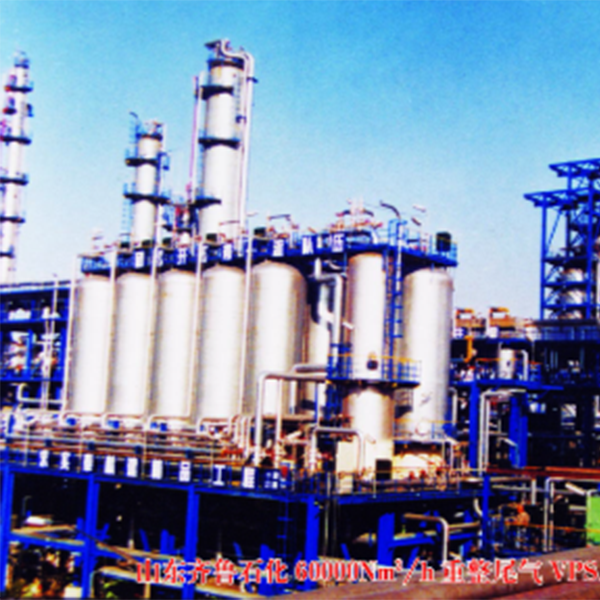
With the development of technologies for the production of adsorbents they become more complex and technologically advanced. The use of nanotechnology makes it possible to create adsorbents with a larger surface area, which increases their efficiency in trapping pollutants. Biotechnology has also found its application: the use of plant components not only improves the environmental performance of production, but also increases the natural ability of adsorbents to purify the air. These approaches make production more environmentally friendly and create products that are less harmful to the environment.
Application of adsorbents in urban environments
The urban environment is a complex ecosystem that experiences significant loads from vehicle and industrial emissions. In such conditions, adsorbents play an important role in improving air quality. Their use in filters of ventilation and air conditioning systems can significantly reduce the concentration of harmful substances indoors. Innovative solutions are being implemented in public transport, where adsorbents help combat exhaust gases.Air adsorbents in Chinaare actively used to create green zones - special spaces with an increased concentration of cleaning devices, which helps to significantly improve the environmental situation in megacities.
Use of adsorbents in industry
Industrial production is one of the main sources of air pollution. However, modern adsorbents offer solutions for this sector as well. In production, filtration systems based on adsorbents are installed, which allows minimizing emissions of toxic substances. In the chemical industry, such solutions are especially in demand, as they make it possible to purify the air from complex compounds that are impossible to do without during the production process. As part of conveyor lines, adsorbents are being introduced on a large scale into gas and exhaust purification systems, which has already made it possible to significantly reduce the level of pollution near large production facilities.
The role of adsorbents in energy
The energy sector also relies on adsorbents to solve air pollution problems. In power plants, especially those that burn coal, adsorbents are used to capture sulfur and nitrogen compounds from flue gases. This helps to significantly reduce their impact on the atmosphere, prevent acid rain and improve the state of the environment. In renewable energy, adsorbents ensure the purity of technological processes, which makes them indispensable for the development of environmentally friendly energy sources. Thus, adsorbents play a key role in ensuring the sustainability of the entire energy industry.
Prospects for air adsorbents
The future of adsorbents is closely linked to the further development of technology. The emergence of new materials and methods for their processing promises to make adsorbents even more effective and affordable. Particular attention is also paid to the development of self-healing systems that can clean the air without the need to replace components.Air adsorbents in Chinaare already proving their effectiveness by actively participating in solving the problems of urbanization and industrialization. With each new step in the development of technology, we can expect that the use of adsorbents will become even more widespread and they will be used in a wide variety of fields. Air purification technologies continue to advance, providing humanity with new tools to achieve a cleaner, healthier future.Air adsorbents in Chinarepresent a shining example of how innovation can transform an industry and significantly improve the quality of life for people around the world.
In conclusion, air adsorbents play an indispensable role in the modern era of technology and ecology. Their diversity and potential for further development make them an important part of future solutions in the fight for clean air and a healthy environment.Air adsorbents in Chinaremain at the forefront of these changes, setting an example to the world of how one can and should act in the face of rapid environmental change.ep>