How does China influence the activated carbon market?
2025-12-20
China certainly occupies a key position in the global activated carbon market. This country is not only one of the largest producers, but also an active consumer, which makes its influence on the market almost undeniable and multifaceted.
Production and export
China, after all, dominates the production of activated carbon. This is due to several factors. First, the abundance of natural resources such as coal and wood provides cheap raw materials. Secondly, Chinese companies tend to have advanced technology and equipment, which allows them to optimize processes. However, we should not forget about the impact of environmental regulations, which are becoming increasingly strict. This changes the picture a little. For example, many enterprises are forced to modernize production to meet new standards.
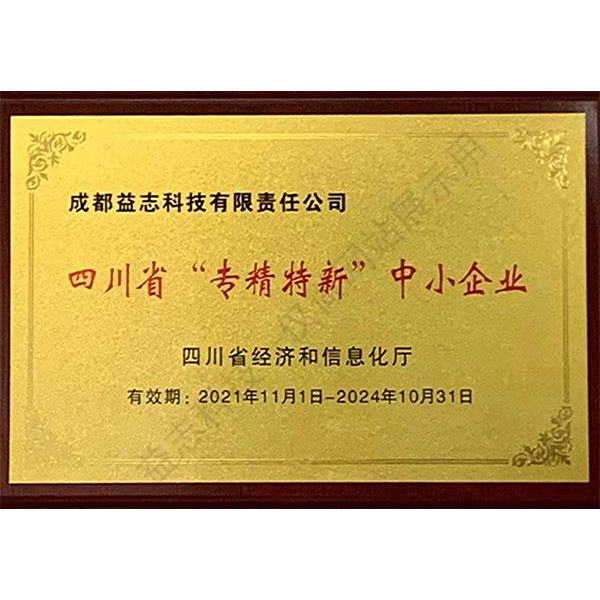
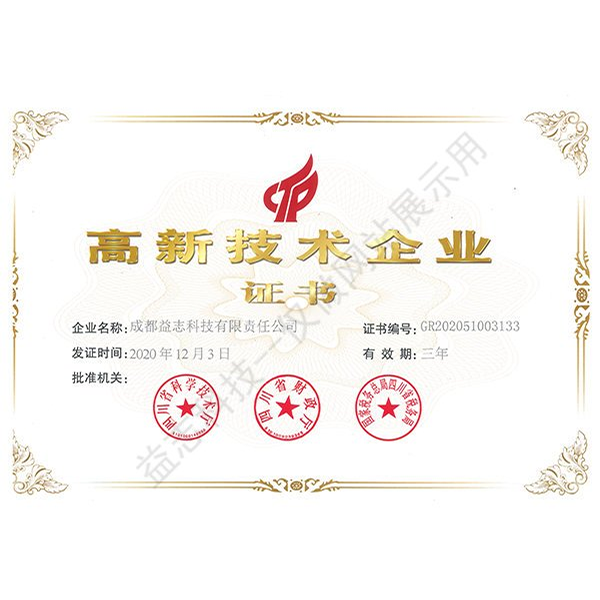
A good example here is Chengdu Yizhi Technology Co., Ltd, a design institute established by Huaxi Technology in 2013. This institute is not only involved in the development of new technological solutions, but also actively influences standards and regulations, which ultimately affects the entire value chain of activated carbon.
Export is another important aspect. China provides a significant portion of the world's supply, which directly affects prices and volumes at the international level. Therefore, any changes in Beijing's export policy cause an immediate reaction around the world.
Domestic demand
We should not forget about domestic demand. The industrial and environmental aspect of China's economic growth determines the demand for activated carbon. It is used in filtration, water purification, beverage production and many other industries. This demand creates stable domestic consumption, which in turn influences global trends.
Urban growth and infrastructure development require ever larger volumes of activated carbon. From this point of view, environmental improvement projects that are being actively developed and implemented by companies such as Chengdu Yizhi Technology Co. create the basis for increasing domestic demand.
However, domestic demand often faces oversupply problems. A too rapid increase in production can result in lower prices, which is also noticeable on foreign markets.
Innovation and technology
China always strives to be ahead of the rest in innovation. This also applies to activated carbon production technologies. Introducing new techniques, such as converting waste into activated carbon or improving filtration efficiency, is an important part of many companies' strategy.
Chengdu Yizhi Technology Co. actively works on research and implementation of this type of technology. As a result, this provides certain competitive advantages not only in the domestic but also in the international market. However, innovation often requires large investments, which may not always pay off quickly.
Sometimes companies take risks to make strategic investments in new technologies. Results can vary from major successes to failures that teach just as much. A practical focus on technology is becoming part of the market strategy of many Chinese manufacturers.
Impact on prices
When we talk about the activated carbon market, it is impossible to tear yourself away from the prices. China, as a major player, significantly influences pricing. Increased production could lead to lower prices, as has happened in the past.
However, these processes are not always linear. Political factors such as tariffs and taxes also play a role. If the tax burden on production changes, many companies may face additional costs, which will directly affect export prices.
Interestingly, Chinese policies often serve as a barometer for the entire market. As conditions in China change, so do global trends. Understanding these processes can be key for market players.
Conclusion
China's influence on the activated carbon market is difficult to overestimate. The country is both a driver of positive changes and a source of challenges. The challenge lies in continuous change, which requires flexibility and a willingness to adapt.
Chengdu Yizhi Technology Co. and other key players continue to set the vector of development, experiment and adapt. Successful navigation in a changing environment allows you not only to stay afloat, but also to actively develop, creating the foundations for future achievements.
Thus, the activated carbon market largely depends on Chinese realities, on decisions made by both large enterprises and regulators. And successfully navigating these waters requires deep understanding and quick reactions.