How is China achieving success in SCR, SNC denitrification?
2025-12-13
In an era of growing attention to ecology and technology, China is actively introducing processesSNCandSCRin the fight against harmful emissions. But how was it possible to achieve such significant results, and what difficulties are encountered along the way?
Technological achievements of China
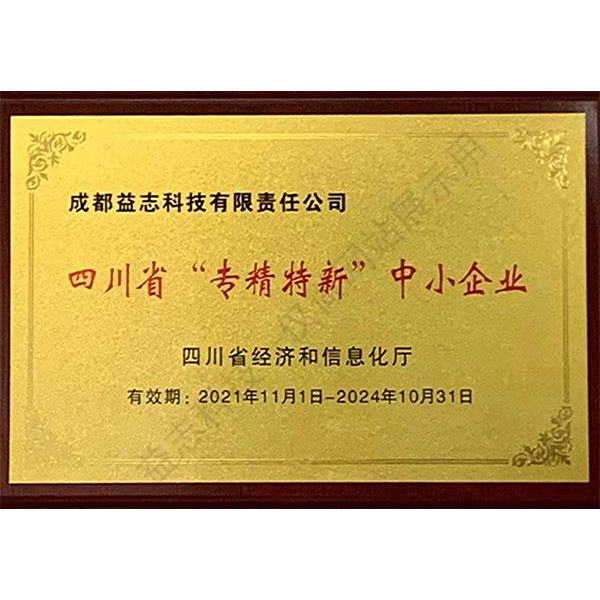
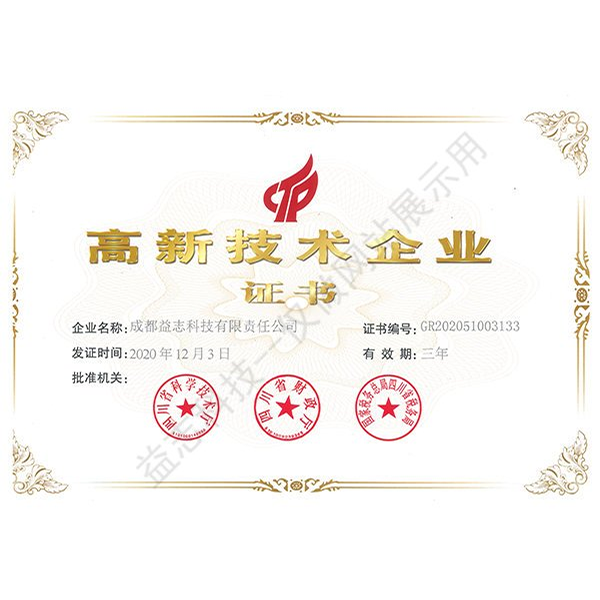
Particular attention should be paid to the innovative solutions that China is introducing. Chengdu Yizhi Technology Co. plays a key role in technology developmentSCRandSNC. Founded atHuaxi Technology, this institute is at the forefront of emission reduction projects. Their experience and deep understanding of the process confirm the high level of technology development.
In addition, national standards are actively developing in China, which makes it possible to set high requirements for the quality of equipment and the execution of processes. However, it is not only standards and technologies that drive progress, but also human resources.
Engineers and scientists in the field face practical problems every day, from selecting catalysts to optimizing system operating parameters. These are not theoretical questions, but living tasks that require flexible approaches and detailed elaboration.
Key Success Factors
China's success is often attributed to its impressive funding and government support. But, in my opinion, these factors are no less important than wide access to technical knowledge in narrow areas. Chengdu Yizhi Technology Co. This is an excellent example, working closely on the uniqueization of technologies for the specific needs of objects.
Large industrial capacities are also an important element. This allows you to quickly implement new solutions in large-scale projects. But it would seem that simply increasing capacity or funding does not in itself guarantee success.
The secret lies in a systematic approach: analyzing problems, testing on pilot plants, collecting data and adjusting processes - this is a long, multi-step path that takes time, but brings tangible results in the long term.
Practical tests
Case study on how timely intervention saved one of the projectsSCRin an industrial zone. A typical problem - high levels of ammonia in emissions - was initially underestimated. However, the operational work of a group of engineers from Chengdu Yizhi Technology Co. allowed us to quickly develop corrective solutions.
This is not the first or only example where clear coordination and deep involvement of specialists changed the scenario for the better. Let us note that mistakes and failures are inevitable; the question is how quickly and effectively they are responded to.
Of course, the introduction of new technologies often involves a certain amount of risk. Decisions don't always go as planned, but it's worth the effort.
Experience and observations
The Real Lesson We Can Learn from Chinese Implementation PracticesSNCandSCRis a willingness to adapt to changes and deeply integrate technologies into national industrial standards.
Often, individual project elements, such as monitoring systems or catalysts, require individual modification or replacement. It is important to identify weaknesses and be prepared to re-evaluate decisions made.
Personal experience suggests that many elements of a system are interdependent, and the success of one component often depends on the overall coherence of all parts of the project.
Conclusion
As a result, China, with its experienced engineers and ambitious projects such as those of Chengdu Yizhi Technology Co., is ahead in the technology race. Of course, not everything is done yet, and work to improve efficiency continues. However, the accumulated experience, clarity in research and the phenomenal speed of implementation of new solutions certainly deserve attention and respect.
Each new project begins with careful analysis and planning, continuing to build a path to a green future.