How is China promoting CO2 utilization technologies?
2025-12-15
China has set a course for actively reducing CO2 emissions as part of the global fight against climate change. But what is it like in practice, from the inside? What exactly is Chinese industry doing to improve carbon utilization efficiency?
Difficulties and misconceptions
Many people believe thatCO2 utilization technologiessimple and homogeneous. But this is not the case, and it is important not to fall into the trap of simplistic solutions. For example, introducing new methods requires significant investment, which many companies simply cannot afford.
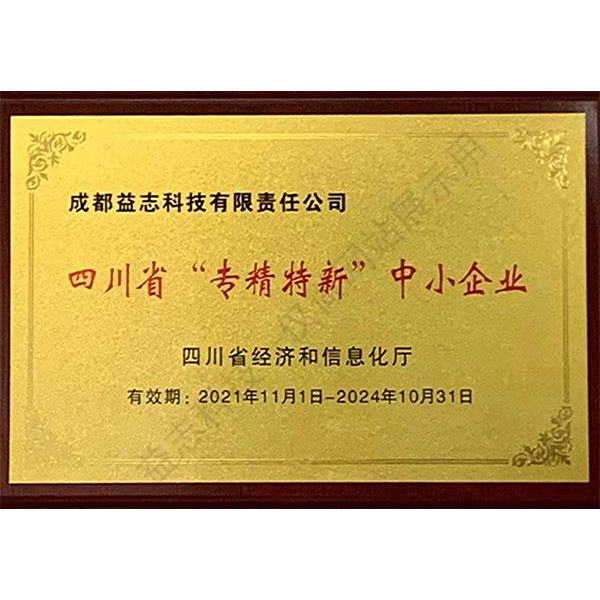
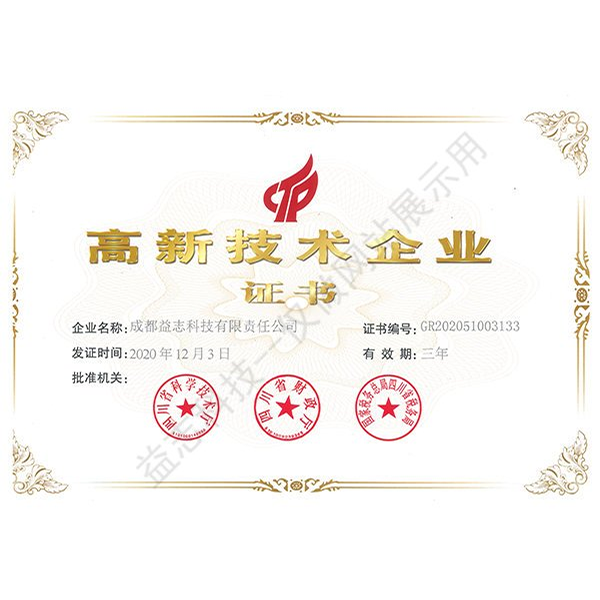
Chinese companies, including Chengdu Yizhi Technology Co., often face regulatory barriers that must be taken into account when introducing technology. You can't go anywhere without this. It is necessary to understand how national standards can influence the implementation of projects.
Another important point is the technical base. Many approaches already implemented in Europe or the United States need to be adapted to the local realities of China. Here research and design institutes are of particular importance.
Practical steps and local nuances
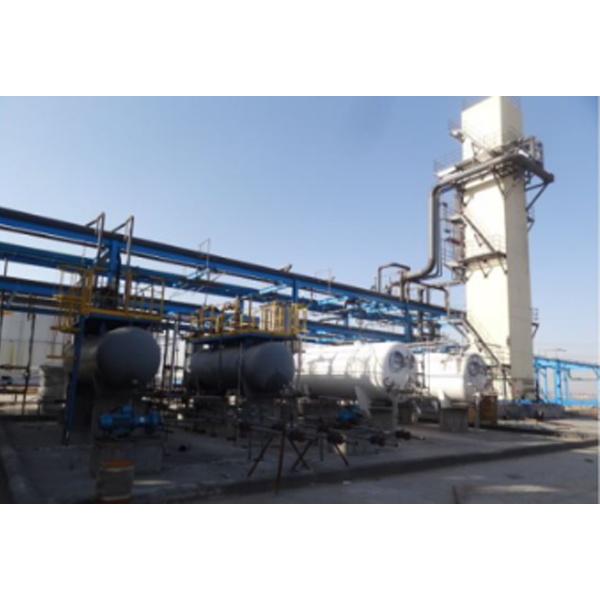
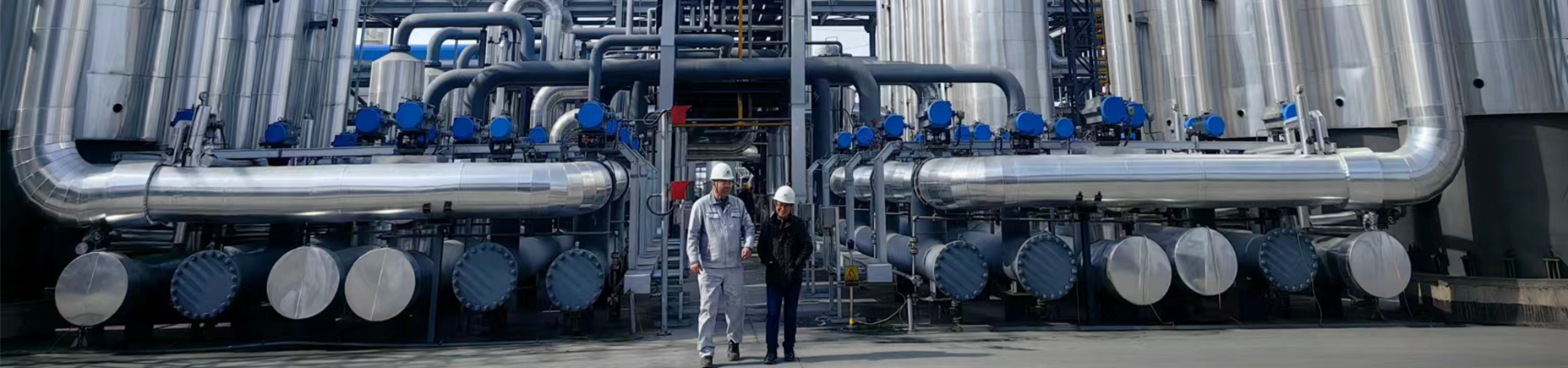
What exactly is being done? Take the example of Chengdu Yizhi Technology Co., a company specializing in the development of engineering solutions in the field of chemical technology. The goals are ambitious: improving carbon dioxide utilization in northwest China, where a lot of heavy industry is concentrated.
One of the first problems we encountered was combining old equipment with newtechnologies. This 'docking' required reworking of many processes, but ultimately allowed for a significant increase in efficiency.
It is important to note that project planning must take into account not only technology, but also the human factor. This means serious work with personnel, which is often underestimated. Trainings and advanced training programs are becoming a necessary part of the processes.
Innovation from Chengdu Yizhi Technology Co.
The introduction of new technologies requires the search for non-standard solutions. Chengdu Yizhi Technology Co., thanks to the support of Huaxi Technology, is actively developing its own patents and CO2 recycling methods. In one experiment, our team used nanomaterial-based catalysts to reduce process costs.
A key success factor is cooperation with international partners. On the websiteChengdu Yizhi Technology Co.you can find more information about our projects. But what is important is the adaptation of international experience to local conditions.
Problems also arise with raw materials. When working with different types of fuel, it is necessary to take into account chemical reactions that may differ from typical conditions. There are no trifles here, detailed design is what saves.
Shortcomings and course corrections
During the work on the projects, of course, there were some mistakes. Sometimes initial forecasts did not come true, and we had to quickly adapt to new realities. For example, logistical problems have deterred the use of certain technologies on a large scale.
With these challenges come new ideas. Every failure is an opportunity to improve approaches in the future. Working with local universities, we implement the results of scientific research directly into production. This allows us to be among the leaders in our field.
This practice is a great way to not only reduce emissions, but also stimulate the development of the entire industry. The projects we are implementing already show that mutual assistance and exchange of experience are not just words, but an important resource.
Conclusions and prospects
Where to start for companies interested in CO2 recycling? First of all, it is worth assessing the readiness of the infrastructure and personnel. Then, determine which technologies are most suitable for specific conditions and tasks.
The importance of adjusting strategies to suit changing conditions cannot be underestimated. It's like in chess - you need to be able to anticipate several steps ahead. Chengdu Yizhi Technology Co. shows that for successful implementation of projects it is necessary not to be afraid of mistakes and not to stop there.
While CO2 utilization technologies are just gaining momentum, they have enormous potential. The key is to remember that every effort is a step towards a cleaner, more sustainable future.