How is China developing adsorbents for water purification?
2025-12-21
The Chinese water treatment adsorbent industry is rapidly expanding, although many mistakenly believe that everything is focused solely on production. The reality is much more complex and interesting.
Main players in the market
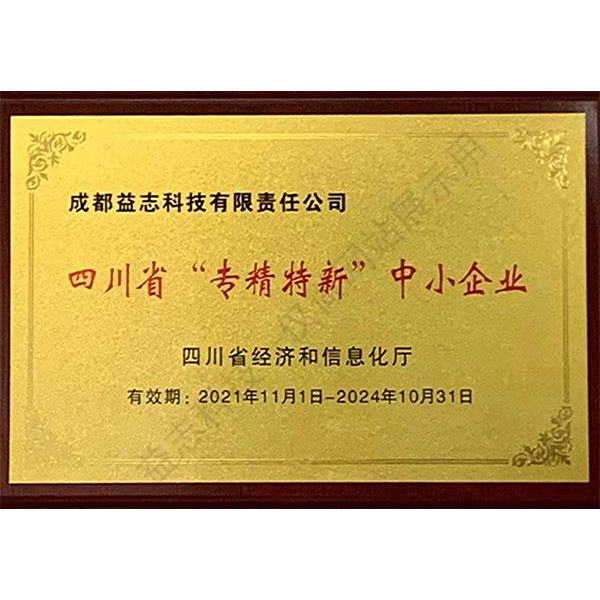
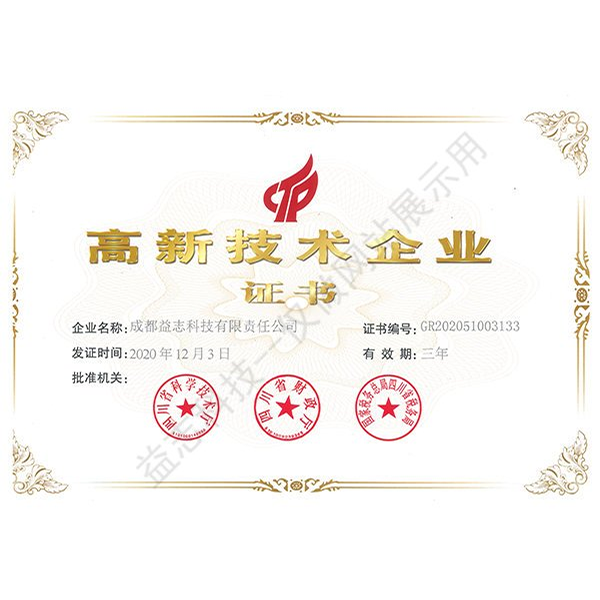
Key players such as Chengdu Yizhi Technology Co. are leading the way by integrating new technologies into daily life. Chengdu Huaxi Chemical Technology Co. created this design institute in 2013 to develop innovations in the field of adsorbents. Their work begins with careful research into the properties of various materials and ends with the creation of effective solutions for water purification.
An important part of their strategy is investment in research and development. The process does not always go smoothly, and sometimes you have to take a step back in order to subsequently take two forwards. However, such painstaking work bears fruit, allowing you to come up with more and more effective cleaning methods.
Here it is worth noting the importance of local production. Chengdu Yizhi Technology Co. in this regard, they have an advantage because they maintain close ties with local suppliers, which speeds up the development and implementation of new technologies in production. You can get acquainted with their services and projects on the websiteChengdu Yizhi Technology Co..
Technology focuses on ecology
As you know, ecology and economics must go hand in hand. China places an emphasis on the environmental friendliness of the technologies used. Adsorbents are being developed that are less harmful to the environment. This is especially important in conditions where the pace of industrial growth is causing new environmental problems.
One of the main goals is to reduce the cost of cleaning without losing quality. Chengdu Yizhi Technology Co. They often discuss their work at international conferences, so feedback from other countries helps to correct course.
In practice, this may look like a new development of adsorbent material that has an improved ability to trap toxic elements. Particular attention is paid to creating solutions that could be implemented globally.
Challenges and problems
The development of new adsorbents is far from ideal and faces many challenges. It is not always possible to achieve the intended result the first time. There are times when the original concept fails and you need to start over.
One such challenge is adapting solutions to different conditions. For example, water in the northern and southern regions of China differs in composition, and one universal solution does not always work. About 50% of efforts and funds are spent on adapting technologies to local characteristics.
Another difficulty is the introduction of innovative materials. Many of them require special infrastructure for production and disposal, which adds complexity when scaling production.
Experience is better than theory
A theory without practical confirmation means little in the adsorbent industry. Experienced specialists know that sometimes it is better to spend time on testing and approbation than to blindly believe numbers and forecasts.
An example is the adaptation of new materials, such as carbon filters modified at the molecular level. This process requires specialized knowledge and often turns out to be more complex than expected, especially at the production line level.
But the success achieved as a result of such efforts is worth the time and resources spent. Every new project, every new development makes the industry a little more stable and environmentally friendly.
Looking to the future
We are now seeing tools and approaches that were once experimental become the norm. At Chengdu Yizhi Technology Co. believe that the future lies in integrated solutions that use complementary technologies in a single cleaning cycle.
For example, the introduction of nanotechnology into adsorbent materials is an opportunity that could completely change the approach to filtration and purification. This could be a real breakthrough if the balance between cost and efficiency can be maintained.
In the end, China is moving towards the goal of becoming a leader in eco-production, and this path is not easy, but with every step it brings real benefits both to local residents and to the global ecosystem as a whole.