How is China developing acid recovery equipment?
2025-12-13
China is impressive when it comes to acid recovery technology. The process is complex, but vital for many industrial areas. From chemical to metallurgy, efficient acid renewal plays a key role. But what technologies are used and what difficulties have to be overcome along the way?
Principles of regeneration: from theory to practice
Acid regeneration is not just a process that requires an understanding of chemical reactions. Behind it is a deep knowledge of the equipment and materials that need to be used. The approaches are varied - from thermal methods to the use of special sorbents. Each method has its own advantages and limitations, so the conditions of a particular production must be taken into account.
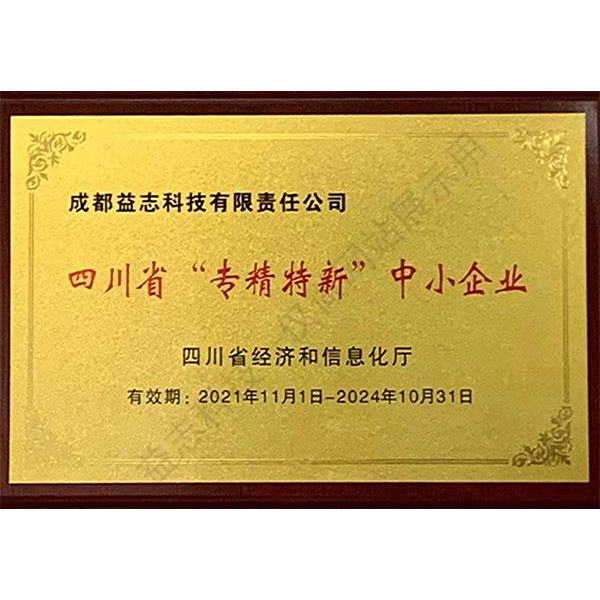
For example, thermal regeneration can be effective, but requires significant energy input. In contrast, sorbents seem to be more economical, but have a limited service life and require regular replacement. Specialists from Chengdu Yizhi Technology Co., Ltd., a company founded by Huaxi Technology, pay great attention to this issue, thinking through innovative solutions to minimize costs and increase the efficiency of procedures.
Engineers and researchers encounter these aspects in practice. For example, regardless of the method used, it is important to consider the environmental impact. Without proper control, pollutants are released, which is highly undesirable.
Equipment Features
Previous equipment for acid regeneration could not boast of high efficiency. Modern developments implemented by Chengdu Yizhi Technology Co. (more details on the website https://www.yzkjhx.ru) demonstrate a significant improvement in these indicators.
The design and materials used in the equipment have undergone significant changes. Current trends are aimed at creating installations that are more resistant to aggressive environments. This achievement is made possible by the use of new plastics and composites that are resistant to corrosion.
In addition, an important role is assigned to the issue of process automation. Modern management systems allow for more frequent monitoring of processes, reducing the human factor and minimizing errors, which previously became the cause of failures and serious incidents.
Problems and challenges
Even the most advanced technologies can encounter unexpected problems. In practice, difficulties can be encountered in the form of frequent blockages of systems or ineffective separation of components.
The greatest problems arise at the interface of interaction between different regeneration techniques, where interprocess connections may be unstable. Chengdu Yizhi Technology Co. specialists take measures to minimize such risks.
It is necessary to constantly check the condition of the equipment. Regular inspections and updates are the key to successful operation of acid recovery systems. This is not an easy task, requiring careful coordination and qualified specialists.
Impact on the environment
In the context of modern environmental standards, it is difficult to overestimate the impact of acid regeneration methods on the environment. Even the slightest error in design or operation can have significant consequences.
Therefore, companies including Chengdu Yizhi Technology Co. integrate sustainability principles into all stages of the production process. This allows us to minimize the negative impact on the ecosystem.
Environmental considerations are becoming an increasingly important factor in the design of new systems and often determine the choice of technologies used in production.
Conclusion: achievements and prospects
Against the backdrop of the above circumstances, China continues to actively develop in the field of acid regeneration, introducing innovative technologies and modern approaches. This progress not only improves production performance, but also improves the environment.
The strength of Chengdu Yizhi Technology Co. is the ability to adapt to market changes and customer requirements. Their work and contributions to the development of acid recovery technologies have a significant impact on the overall improvement in this area, opening up new opportunities for the industry.
As technology advances, we can expect further improvements in the situations the world currently faces and a greater balance between production and the environment.