How is China developing the market for environmental adsorbents?
2025-12-25
Adsorbents have recently become an important element in the fight against environmental pollution in China. This initiative is led by companies with serious experience, such asChengdu Yizhi Technology Co., and aims to bring about massive change in the industry. But how effective is this development, and what problems still remain?
Growth of the adsorbent market
Interestingly, China pays significant attention to the developmentenvironmentally friendly technologies. This comes amid increasing demand for solutions to reduce pollution in industry. Adsorbents play an important role in this process, and in recent years they have become increasingly important on the market.
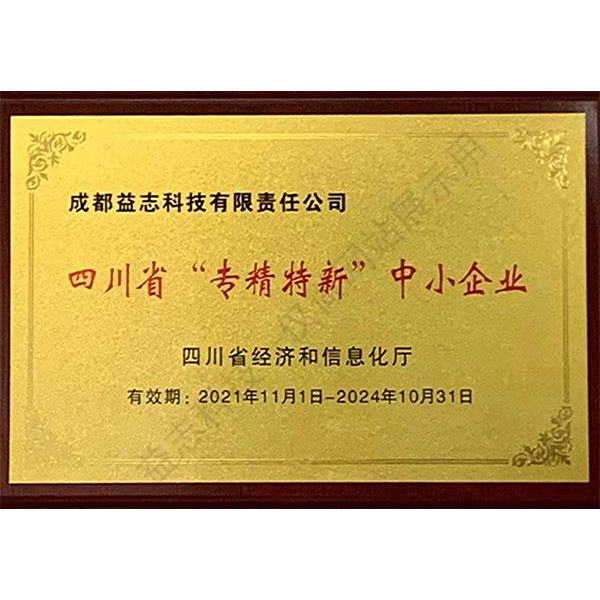
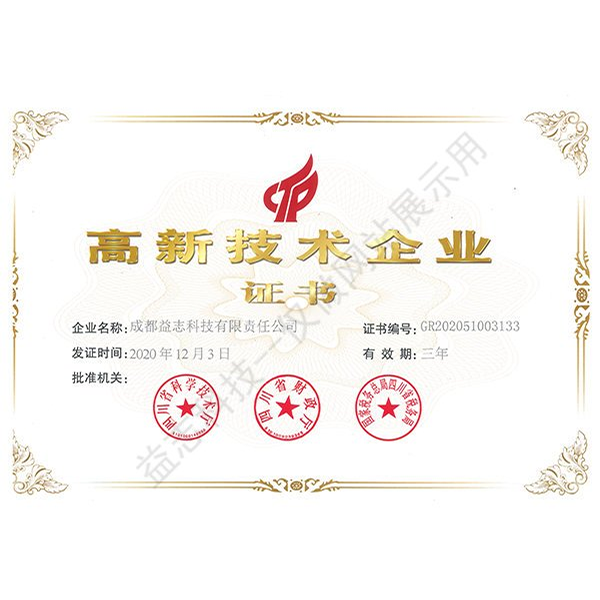
For example,Chengdu Yizhi Technology Co.actively participates in the promotion of such technologies. Established under Huaxi Technology in 2013 with a registered capital of RMB 120 million, the company acts as a design institute providing solutions for various industries. This makes it easier for businesses to adapt to new environmental standards.
However, market growth is accompanied by certain difficulties. Manufacturers have to consider not only the economic, but also the technological efficiency of their solutions. For example, how can we increase the capacity of adsorbents without increasing their cost? This is one of the key issues facing the market.
Practical solutions and innovations
One current example is the use of new materials. At Chengdu Yizhi Technology Co. are actively testing innovative approaches, including nanomaterials, which can significantly improve the properties of adsorbents. This is especially true for air and water purification in industrial areas where there is a high concentration of toxins.
In addition, the introduction of systems that optimize the adsorption process helps improve performance. In this regard, software and hardware solutions play an important role. Such innovations also help in resource management, reducing production and disposal costs.
We must not forget about the human factor - training and development of personnel become a critical part of the process of introducing innovations. This is how design companies like Huiwa Technology increase their competitiveness on the international stage.
Environmental efficiency
Adsorbents, although effective as cleaning agents, must be assessed in terms of overall environmental competence. This means that every process, from production to disposal, must meet high sustainability standards.
Here, Chengdu Yizhi Technology Co., for example, can offer proven practices that minimize environmental impact. In this context, close collaboration with research institutes and regulatory authorities helps shape sustainable production policies.
However, there are always limitations imposed by both technology and the economic environment. The challenge for the coming years is to find a balance between these factors, ensuring sustainable market growth.
Problems and challenges
Despite the obvious development, we should not forget about current challenges. The main problem is the need for regulation and compliance with international standards, which in China are still not always fully implemented. This may prevent large players from entering new markets.
The adsorbent market requires continuous investment in research and development. Chengdu Yizhi Technology Co., for example, is actively investing in the development of related technologies to not only meet current needs, but also anticipate changes in environmental safety requirements.
Finally, a country's cultural and economic characteristics also influence decision-making processes. Cooperation between business and government, as well as the exchange of experience with international partners, are becoming key aspects of overcoming existing barriers.
Future of the market
Taking into account the above, it can be assumed that the adsorbent market in China will continue to develop in the coming years. The growth rate will depend on the ability of manufacturers and developers such asChengdu Yizhi Technology Co., adapt to changing conditions and requirements
High competition and the desire for innovation will certainly become the main drivers of success. The Chinese experience shows that having a clear strategy and understanding centralized administrative control can lead to effective environmental progress.
The right approach to innovation, support for research and the development of international cooperation can be the catalyst that will make a significant contribution to protecting the environment and creating a sustainable future for the next generation.