Where are the cheap adsorption activated carbon exporters?
2026-03-27
Finding cheap adsorption activated carbon exporters is not just a matter of price. Often the key mistake is chasing the lowest number in the price list, without understanding what it consists of and what stands behind it in practice.
What's behind the ?cheap? coal?
The market is full of offers, especially from Asia. When you see a price 20-30% below average, the first question is why? Experience suggests that there are several options. Or the raw material is not wood or coconut shells of the proper grade, but something like low-purity coal, which is critical for many applications. Either the ash content is too high, and the actual adsorption capacity for iodine or methylene blue will be far from that stated in the specification. It happened that I received samples that according to the passport were 1000 mg/g, but in practice they barely squeezed out 700 mg/g.
Another point is activation. Cheapness can be achieved due to a simplified process and insufficient aging in the oven. As a result, the pores are not fully developed, and the coal works worse; it has to be changed more often. For a client who pays for the disposal of waste material, such “savings” comes out sideways. That's why it's "cheap" should be translated as “optimal cost of ownership”, and not the price per ton at the entrance.
Transport and logistics are a separate article. A cheap FOB from a Chinese port can be eaten up by the cost of delivery and customs clearance, especially if the shipment is small. Sometimes it is more profitable to take a little more from a supplier who already has experienced supply chains in your region and can provide CIF with clear conditions. Worked with oneexporter, who, due to a desire to save on freight, sent substandard coal in unsuitable packaging - some of the bags arrived wet, it was necessary to arrange proceedings and waste time.
Supplier selection criteria: not only price
So what to look for? The first is documentation. Certificates of Analysis for each batch are a must have. Check not only the iodine number, but also the moisture content, abrasion resistance, and particle size distribution. A good supplier will always be willing to provide up-to-date data rather than a template from year to year.
The second is origin and raw materials. Coconut shell charcoal, wood charcoal, or lignite charcoal are different products for different purposes. Cheapadsorption activated carbonoften made from low-grade coal, it may have problems with residual solvents or heavy metals. This is unacceptable for the food industry or water purification. Ask directly about the raw material base and ask for samples for your own tests in your conditions.
Third is packaging. It seems like a small thing, but it's important. 25 kg bags with a polyethylene liner are standard. But I saw how someexporterssave on the liner or use thin polypropylene. During a long sea passage, coal picks up moisture, which kills its activity. Always stipulate the terms of packaging in the contract.
Experience working with specific companies
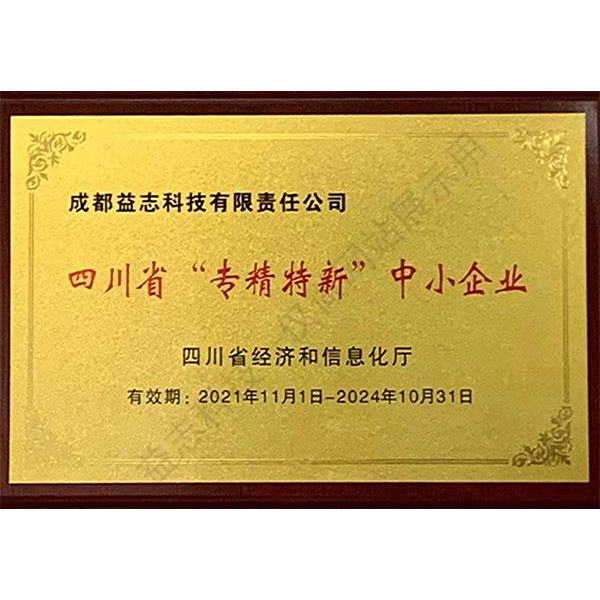
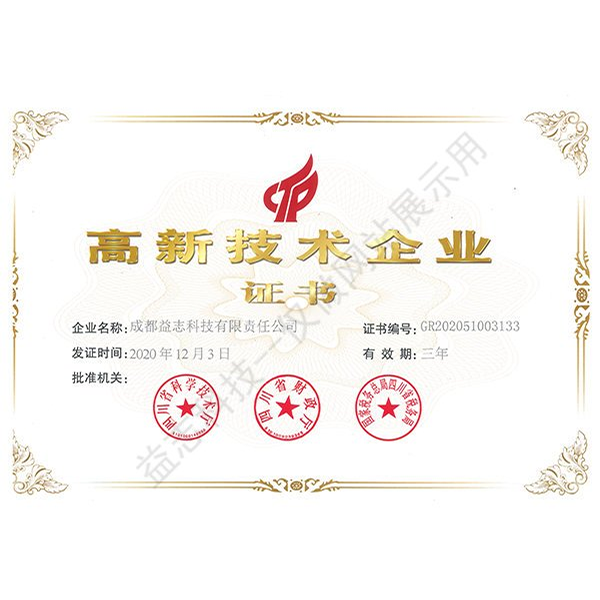
There are hundreds of manufacturers in China, but not all are focused on exporting with the proper quality. Worked, for example, with Chengdu Yizhi Technology Co. This is their Russian language website -https://www.yzkjhx.ru. The company positions itself as a design institute established by Chengdu Huaxi Chemical Technology Co., Ltd., with a registered capital of RMB 120 million. What does this mean in practice? Often such institutes have a more in-depth study of technology and their own laboratories for control. This is not just a trading house that resells coal from a nearby plant.
In the case ofChengdu Yizhi Technology Co.drew attention to their approach to specifications. They did not hesitate to discuss the subtleties for a specific task - for example, to purify gas emissions from certain VOCs or to purify drinking water. We were ready to vary the porosity parameters. The price was competitive, but not the lowest on the market. What’s important is that they took care of organizing the shipment and documents, which was a big plus for a one-time delivery.
But there were also negative experiences with others. Once I ordered a trial batch from a supplier from Shanxi province at a very attractive price. The coal arrived, analysis in the laboratory showed a discrepancy in ash content of almost 40%. The supplier began to fuss and talk about errors. As a result, the batch was rejected and the money was returned with difficulty. Conclusion: a trial batch and independent analysis are a mandatory step before a large contract, no matter how convincing they are of their quality.
Logistics and hidden costs
EXW or FOB price is just the beginning. Next - freight, insurance, customs clearance. For Russia now this is a different story, taking into account changes in logistics routes. Coal is not a dangerous cargo, but it is bulky. The cost of container shipping can fluctuate greatly.
It is important here that the exporter is flexible. Can he ship not a full container, but an LCL (consolidated cargo), if you don’t need a whole shipment of 20 tons? How quickly does he prepare documents (bill of lading, invoice, packing list, certificate of origin)? A week's delay in documents may result in delays at customs and fines for storage.
Another nuance is packaging for different types of transport. If this is multimodal transportation (sea + railway or road), the bags must withstand overload. Once I encountered the fact that coal in big bags, during transshipment at the port, tore the lining, some of it crumbled. Now I always separately discuss the strength of packaging for a specific route.
Final thoughts: how to search for truly profitable
So, getting back to the original question: where is it cheap? Cheap - where you find a balance between price, quality, supplier reliability and logistics risks. This is not the cheapest item on Alibaba.com. This may be a supplier who is ready to delve into your task, like the sameChengdu Yizhi Technology Co., and offer a product with optimal characteristics, even if its price per kg is 5-10% higher.
I recommend starting with a deep analysis of your own needs: what exactly is coal needed for, what parameters are critical (iodine number, hardness, fraction), what is the volume and regularity of supplies. With this technical specification, go to the market. Request samples from 3-5 potentialactivated carbon exporters, conduct your own tests or in an independent laboratory.
Don’t be shy to ask awkward questions about the origin of raw materials, the activation process, and quality control. Ask for contacts of past clients in your region. A reliable supplier will not be surprised by such questions and will cooperate. And the one who offers ?supercheap? and avoiding the details will most likely lead to problems. Ultimately, a couple of thousand dollars saved at the search stage can result in tens of thousands of losses from defects, downtime or complaints from your end client.