Chinese adsorbents: technologies and trends?
2025-12-31
When they talk about Chinese adsorbents, many people immediately think about the price. Cheap, and seemingly disposable. This is perhaps the most persistent stereotype you encounter in negotiations. But over the past seven or eight years, the picture has changed dramatically. Yes, price pressure is their strong point, but now we are increasingly talking about specific technological niches and, more importantly, about the customer’s willingness to invest in joint testing. This is no longer just a purchase of a product, but rather a process of selection and adaptation.
From activated carbon to zeolites: evolution of the raw material base
It used to be all about activated carbon, mostly made from coconut shells or charcoal. The quality varied from batch to batch, and it was a headache. Now the main driver is synthetic zeolites and modified clays. Chinese manufacturers have become good at controlling the porous structure, especially in gas dehydration lines such as LNG or petrochemical processes.
An interesting trend is active work with waste. I have seen projects where fly ash from thermal power plants or metallurgical slags are used as raw materials for adsorbents. It is economically beneficial and has environmental benefits. But the main catch here is the stability of the parameters. One batch may be good, but another batch suddenly contains heavy metals. Therefore, such products are still used for less critical tasks, such as purifying wastewater from organic matter.
If we talk about specifics, then take, for example, molecular sieves for drying. Previously, Chinese analogues were much inferior in the adsorption-desorption cycle and quickly lost capacity. Now the gap has narrowed. The secret is often not in the formula itself, but in the binding additives and the method of forming the granules. This is exactly the area where local engineers have become well-trained.
Modification technologies: not only the surface, but also the frame
Impregnation of metal salts is a classic, everyone does it. But now it’s more interesting to look at a deeper modification. For example, the introduction of heteroatoms into the zeolite lattice at the synthesis stage. This allows for targeted ?sharpening? an adsorbent for specific molecules, say, for selective removal of hydrogen sulfide from a stream where there is a lot of CO2.
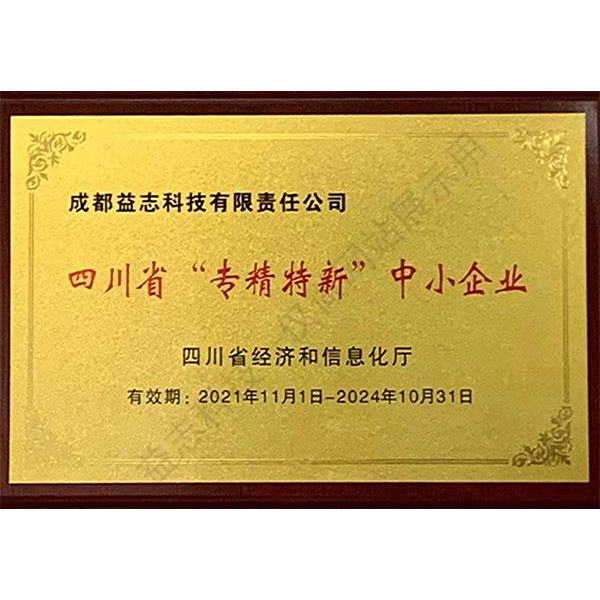
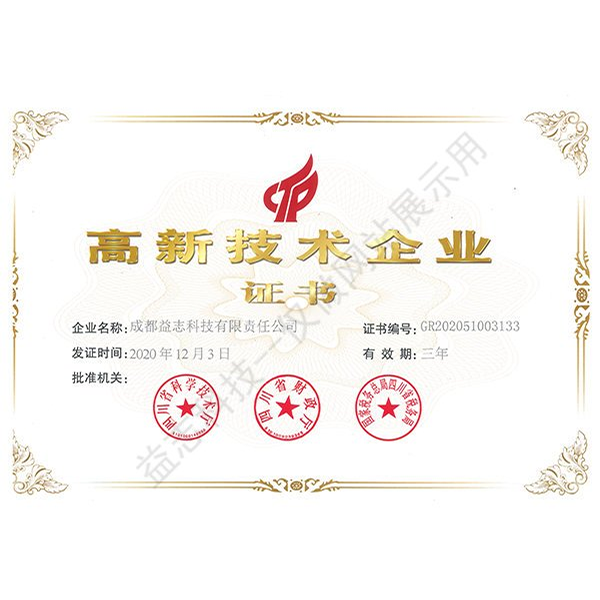
In practice, this does not always look like a highly scientific process. It often goes by trial and error. I remember a case with one biogas purification plant. The standard iron oxide adsorbent could not cope with the wet flow and crumbled. Chinese supplier, and this was justChengdu Yizhi Technology Co.(their website isyzkjhx.ru), proposed to conduct tests with a material based on a modified aluminosilicate. They revealed the essence of the modification sparingly, but in fact it was a combination of acid treatment and subsequent impregnation. It is important that they sent not just samples, but a small experimental column so that we could conduct tests in real conditions. This is the very shift - readiness for joint engineering work.
By the way, aboutChengdu Yizhi Technology Co.. This is not just a trading house. As indicated in their profile, this is a design institute with a serious authorized capital, created by a chemical company. In practice, this means that they often have their own research base for selecting and, critically, modeling adsorption processes. For an engineer, this is more important than just a catalog with pretty pictures.
Application trends: where demand is growing
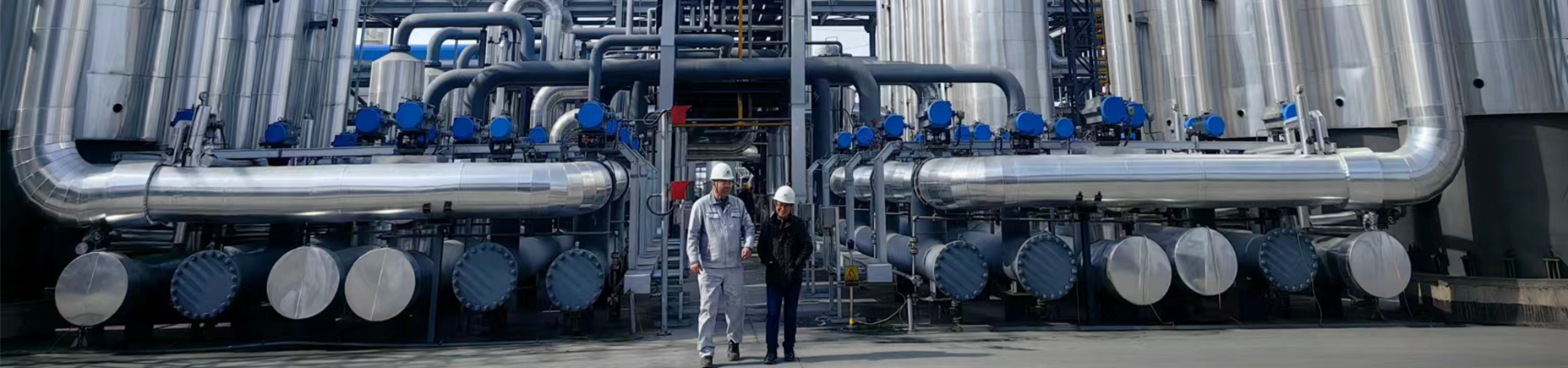
VEN (atmospheric emissions) treatment is a huge and growing market. Especially for removing VOCs (volatile organic compounds). Here, Chinese manufacturers are actively promoting hybrid solutions: adsorption + catalytic afterburning. The adsorbent itself often acts as a concentrator; it is regenerated with hot air, and then this saturated flow goes to the catalyst. Energy efficiency is higher.
Another fast-growing segment is water treatment in the electronics and pharmaceutical industries. The requirements for cleanliness are prohibitive. Chinese suppliers here rely on highly purified zeolites and polymer adsorbents. It is still difficult for them to compete with such giants as Purolite or Dow in terms of branding, but they are actively occupying the niche of replacing consumables in already operating systems, offering analogues that are 20-30% cheaper with similar specifications. There is always a risk, but for non-critical cleaning stages many are willing to try.
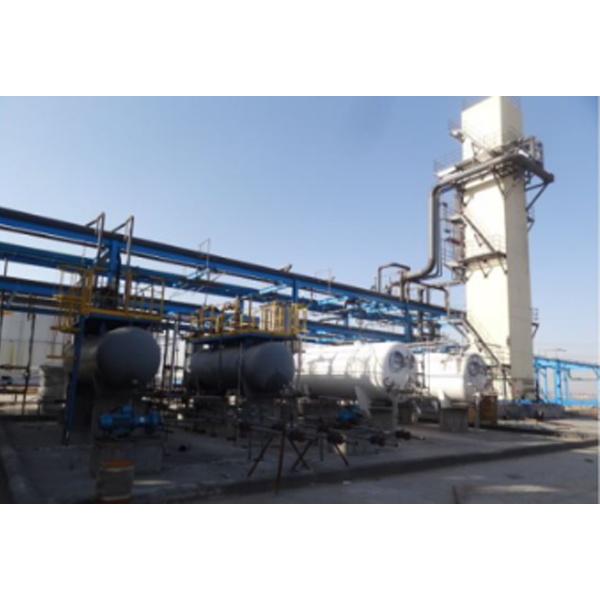
Oil and gas should not be discounted.Adsorbentsfor drying and purification of associated petroleum gas, especially in small fields, is an area where their price offer and efficiency in adapting the composition to a specific gas composition are in great demand.
Problems and pitfalls: a view from the inside
The biggest challenge in working with Chinese adsorbents is not quality per se, but documentation and predictability of long-term performance. The Technical Data Sheet (TDS) may be perfectly written, but the test data is often obtained in a "greenhouse" environment. laboratory conditions. There is a lack of open data on long-term cyclic tests under load, on behavior in the presence of microimpurities, which are always present in real flows.
There was a story about an adsorbent for trapping acetone vapors. According to laboratory data, dynamic capacitance was excellent. They loaded it into an industrial column. The first month - everything is fine. Then a gradual decrease in efficiency began. It turned out that in the real flow there was a trace impurity of higher aldehyde, which irreversibly “poisoned” active centers. The supplier, of course, sent a new, improved composition, but a simple line and a reboot cost money. Now I always insist on pilot tests on exactly the raw material with which I have to work, and not on a pure reagent.
Another point is logistics and storage conditions. Hygroscopic adsorbents sometimes come with high humidity if the packaging has been damaged or the container has been exposed to rain. This immediately eats up part of the container. You have to dry it, which means extra time and equipment.
What's next? Integration and ?smart? materials
I think the next step is not just selling bags of granules, but supplying ready-made modular adsorption units on a turnkey basis, with already programmed regeneration cycles and a monitoring system. Some advanced Chinese companies, such as design institutes like Yizhi Technology, are already moving in this direction. Their advantage is the ability to quickly and cheaply assemble such an installation, adapting it to the client’s typical tasks.
The second direction is the development of adsorbents with a self-indication function. Roughly speaking, a material that changes color as it becomes saturated. For maintenance personnel at many small sites, this could be a simple and effective solution. I have heard about laboratory developments in this direction, but I think mass production is still a few years away.
And, of course, the pressure from environmental regulations will only increase. This is a direct driver for the market. Demand will shift towards materials that are more selective, energy efficient and, importantly, suitable for multiple, complete regeneration. Disposable sorbents for spill response are one thing, but long-lasting solutions are needed for permanent processes. This is where the difference will be visible between those who simply mix components and those who conduct real R&D, likeChengdu Yizhi Technology Co., investing serious funds in it. Ultimately, the trend towards quality and manufacturability will outweigh the bare savings on the initial cost.