Chinese adsorbents: where are they used?
2025-12-31
When people talk about Chinese adsorbents, many people immediately think about cheap cat litter or some simple silica gels. This, of course, exists, but if you dig deeper into the industry, the picture is radically different. There has long been talk about complex materials tailored to specific processes, and Chinese manufacturers have learned to play very well here. Although, to be fair, the path to this was not without bumps.
Not only the price: the evolution of perception
Previously, the main and often the only argument was cost. Yes, it is still important, but ten years ago the quality could have been frankly “floating”. I remember we ordered a batch of zeolites for drying natural gas - the specifications seemed to fit. But in practice - a rapid drop in dynamic capacity, dusting. It turned out that the raw material was substandard, and the activation was not completed completely. This was a classic case of saving on everything, including control. Nowadays such stories are less common, but checking the supplier in full is still a must.
The shift began when major players, especially those working at the intersection of chemistry and engineering, began to invest in their R&D centers. They realized that they needed to sell not tons of powder, but a solution to a technological problem. For example, not just a “molecular sieve”, but a material with a precisely selected pore diameter for the separation of para-xylene and ortho-xylene. This is already a different level.
By the way, about specifics. Let's takeadsorbentsbased on activated aluminum for hydrotreating in oil refining. Chinese versions five years ago could not withstand cyclical loads and crumble. Now, according to our observations, products from a number of proven factories show stability comparable to well-known European brands. The secret is improved binding and uniformity of granules. But again, not everyone, you need to know who to choose.
Key niches: from petrochemicals to fine cleaning
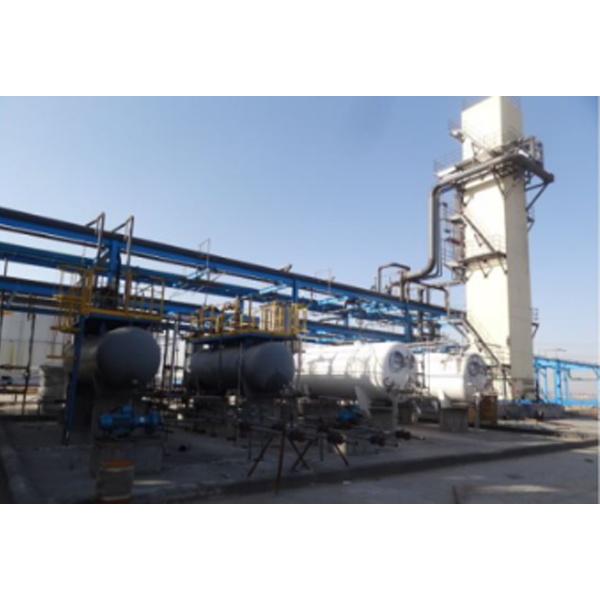
If we look at volumes, the main consumers are, of course, the oil and gas sector and large chemicals. Drying of gas streams, purification of liquid hydrocarbons, separation of air mixtures (nitrogen/oxygen) - hundreds of tons of zeolites, silica gels, and active oxides are used here.
But I am personally more interested in the growing niche - fine chemistry and pharmaceuticals. The requirements here are prohibitive: ultra-high purity, absence of traces of metals, complete regeneration of solvents. And Chinese manufacturers began to develop this niche. I saw, for example, specialized polymeradsorbentsfor the isolation of antibiotics from fermentation broths. In terms of efficiency, they are already close to their expensive American counterparts, and in terms of price they are significantly higher. True, documentation (safety data sheets, certificates) is sometimes prepared carelessly, which is a pain.
Another practical case is the purification of wastewater from organics, dyes, and heavy metal ions. Modified carbons or composite materials are often used here. Efficiency can be very high, but the key point is stability during repeated regeneration. We conducted tests with some samples: after 5-7 cycles, the capacity dropped by 30-40%. The manufacturer swore that this was not the case. I had to present my test reports.
Failures and lessons: what goes wrong
You can't talk only about successes. Mistakes and failures are the best teachers. One of our most spectacular failures was associated with an adsorbent for capturing volatile solvent vapors (VOCs) in the furniture industry.
We chose a material with a declared huge specific surface area. The first days everything was fine, cleaning rates were at 95%. And after two weeks - a sharp rise in pressure in the adsorber and vapor leakage. They opened it and the material was sintered into a monolithic mass. It turned out that the composition contained an impurity, which, upon contact with certain components of the vapor (it seems, with ketones), gave an exothermic reaction and sintering. The manufacturer did not take this into account, because it tested on a “standard” one. benzene mixture. Lesson: stated parameters are only half the battle. It is necessary to test on a real, and not on a customer’s model mixture.
Another common problem is logistics and packaging. It would seem like a small thing. But we once received a shipment in cheap polypropylene bags, which were torn in two containers. The material gained moisture and some had to be disposed of. Now in the specifications we always prescribe multi-layer waterproof bags with a liner.
How to choose and not make a mistake: a practical view
So, based on bitter and sweet experience, a certain algorithm was developed. Firstly, forget about Alibaba as a platform for serious purchasing. It's a lottery. You need direct contacts with the plant, or better yet, with their engineering department.
Secondly, request not just a TDS (technical data sheet), but test reports on the specific raw materials from which the proposed batch is made. The ideal is to get a sample (not a nice kilogram in a vacuum package, but at least 20 kg from the “serial” line) and submit it for independent tests in your own or an accredited laboratory. We always do this before a big contract.
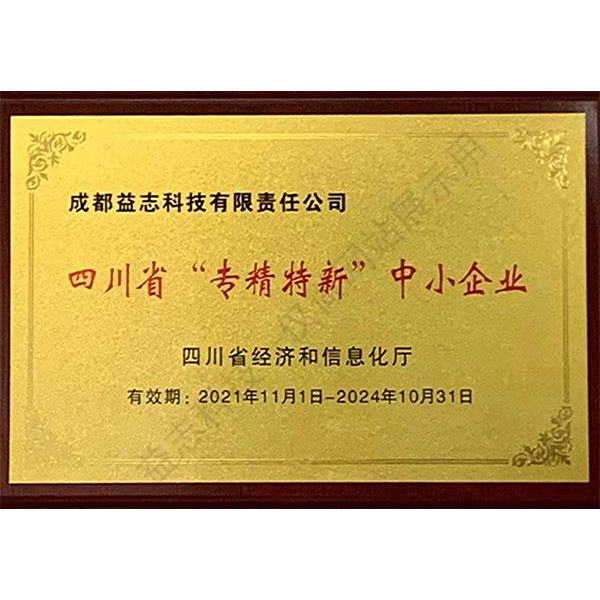
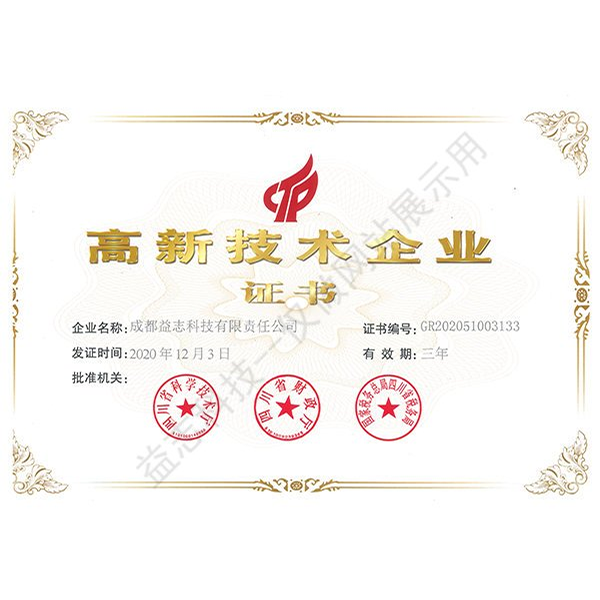
Thirdly, look not at a trading company, but at a real full-cycle manufacturer. For example, I’ve recently seen mentions of the project in professional circlesChengdu Yizhi Technology Co.. This is not just a seller, butdesign institute, created by a chemical company. According to the information on their websiteyzkjhx.ru, registered capital of 120 million yuan is a serious bid. Such structures usually have their own laboratories and can adapt the composition of the adsorbent to the task, and not just sell what is in stock. With them, theoretically, it is possible to discuss pilot tests and refinement of the formula. For complex projects this is the right way.
A look into the future: trends and directions
Where is everything going? Obviously, in the direction of greater selectivity and “intellectuality?” materials. Simple general purpose sorbents are a low-margin product market. The future lies in hybrid materials, for example, zeolites with embedded functional groups, which attract only specific metal ions from a complex solution.
Another trend is increasing mechanical strength and resistance to poisoning. This is critical for processes with frequent regeneration. I heard that some Chinese research institutes are experimenting with graphene-based frame structures, but these are still laboratory samples.
And, of course, ecology. Demand for effectiveadsorbentsfor capturing CO2 or, say, hydrogen sulfide from biogas will only increase. Chinese companies are very active here, since the domestic market dictates strict environmental standards. Their products are "tested" at their own factories, often turn out to be well balanced according to the criterion “price/quality/efficiency”.
As a result, answering the question “where are they used?” - everywhere, from giant installations to mini-laboratories. But the point is not in the geography of application, but in the correct selection. Chinese adsorbent is no longer synonymous with “cheap and cheerful”. This is a tool that can be extremely effective if it is wisely chosen, tested and implemented, with a clear understanding of all the pitfalls of the technology. And yes, it takes time and expertise. Without this, you can easily fail, even with the best material according to your passport.