Chinese ionic liquid desulfurizers: where to buy?
2026-01-10
Ion-liquid desulfurization is no longer news, but the question is “where to buy?” It still comes down not to search, but to choice. Many people immediately go to Alibaba and find hundreds of suppliers. The mistake is that they are looking for a “desulfurizer”, but what they need to look for is “technology?” and “design institute?”. Because selling you a column is half the battle. But for it to work with your specific gas, with your fluctuations in composition and pressure - this is a question for the engineers who developed this technology. This is where the real filter begins.
Why ?design institute? is the key word
When we first seriously thought about modernizing the installation several years ago, we also went in circles. The offers from trading companies were beautiful: presentations, standard performance characteristics. But as soon as questions about adaptation began, everything came down to “we’ll check with the factory?” The plant, in turn, often turned out to be an assembly shop. They license the technology, but don’t know the intricacies.
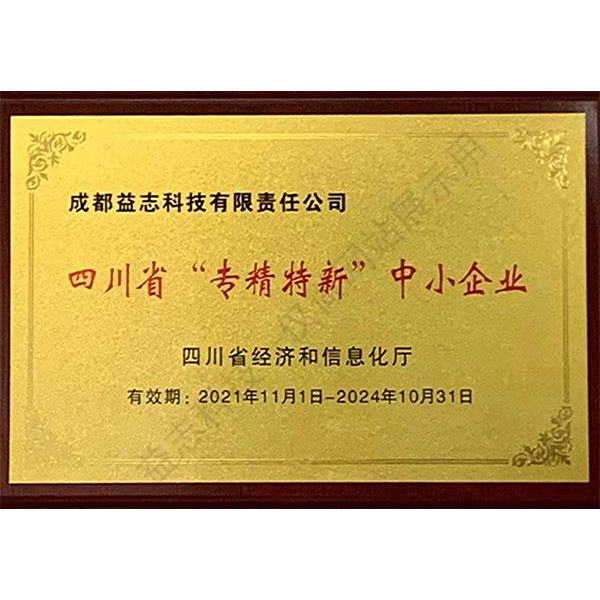
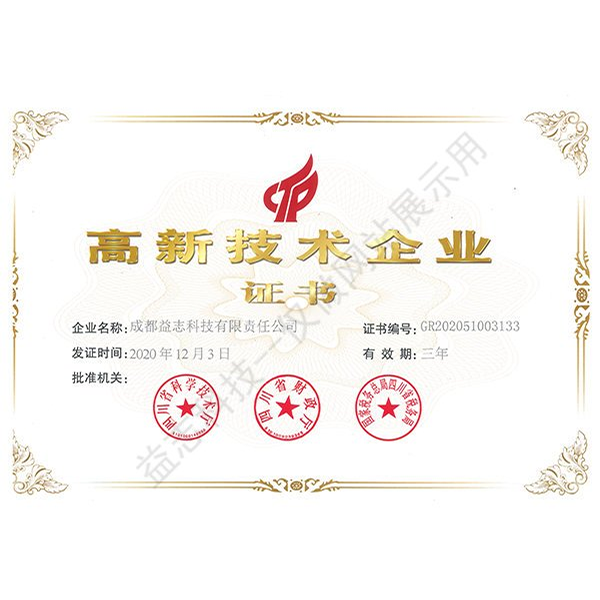
Then I came across the wording “design institute?” in the description of the Chinese company. It wasChengdu Yizhi Technology Co.(subsidiary structureHuaxi Technology). This changes things. The institute is not just a seller, it is a developer. They don't take technology from outside, they created it and patent it. This means they have their own R&D, their own test benches. For me, this was a turning point: I needed to negotiate not with the sales manager, but with the leading engineer of the project.
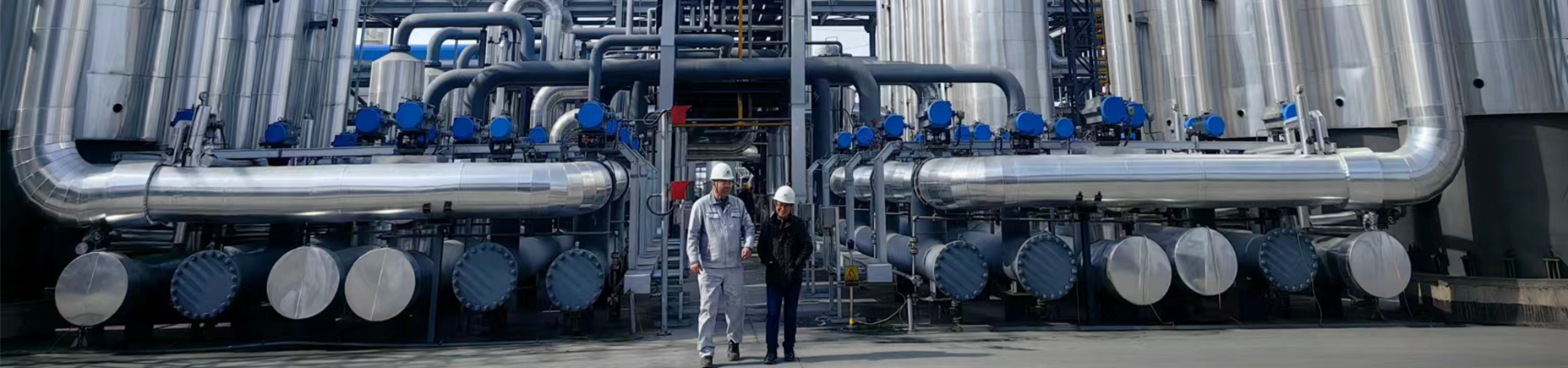
Their websiteyzkjhx.ruis not a catalog of equipment, but rather a portfolio of completed projects. What is important: many projects are not in China, but in the CIS. I saw cases of processing associated petroleum gas in Kazakhstan. This already indicates an understanding of our standards and working conditions.
What's behind the "registered capital of 120 million yuan"?
The registered capital figure of 120 million yuan is not just for show. In our business, this is a signal of serious investment in research and, critically, in pilot installations. Many people underestimate this point. Ionic liquid technology is not a standard pump and cannot be purchased by design. It is necessary to analyze the gas, simulate the process, and often conduct tests on your sample.
A company with such capital usually has its own pilot industrial site. When we requested test calculations for our high mercaptan gas, they did not send the template PDF. They organized a video conference for us, where the engineer changed the parameters in their simulator on his screen in real time and showed how the degree of purification and reagent consumption would change. This is a level of trust and openness that is rarely seen.
But there is a nuance here: such depth of elaboration is available when it comes to large projects. If you need a small 5000 Nm3/h unit, they will of course help, but may refer you to an official distributor who works according to their process sheets. This is fine.
Practical rake: what to look for besides price
The price of the equipment is just the tip of the iceberg. The main costs and risks lie in two areas: ionic liquid regeneration and durability of structural materials. This is where the experience of those who have already walked this path comes in handy.
For example, early versions of technologies from some suppliers had problems with thermal decomposition of the liquid during regeneration. She “darkened” and lost activity. The question to the supplier should not be “do you guarantee the degree of purification?”, but “what is the maximum period of continuous operation of the liquid before losing activity in your industrial installations?” What is the experience of replacing it??. UChengdu YizhiThere are publicly available patents relating specifically to the compositions and methods of regenerating liquids - this is a good sign.
The second is materials. Absorbers, heat exchangers. Ionic liquids are not water and can be aggressive to some alloys. The specification must clearly state: “the column is made of grade X steel, the internal elements are made of Y alloy.” If the answer is vague, that's a red flag.
Logistics, customs and ?after-sales?
Let's say you have chosen a supplier. ?Where to buy? transforms into “how to bring and launch?”. Large design institutes usually have proven designs. They undertake installation supervision and commissioning. Their team always includes a Russian-speaking process engineer - this is a mandatory condition that should be written down in the contract.
From personal experience: our biggest delay occurred not at the production stage, but at the approval of Russian certificates for materials. The Chinese side provided all their certificates (ISO, ASME), but some of our supervisory authorities required additional tests. It is good that the contract included the responsibility of the supplier for assistance in this process. They promptly sent the necessary samples and documentation.
Business card website in Russian, likeYizhi Technologyis not just marketing. This is an indication of the presence of a staff of localized specialists. Is the site updated regularly? Are there technical bulletins or news about participation in industry conferences in Moscow or Almaty? If yes, then this indicates long-term interest in the market, and not a one-time sale.
So, to summarize for those who are looking for
You need to look not on trading platforms, but in the professional field. Enter in the search not “buy ion-liquid desulfurizer”, but “ionic-liquid desulfurization technology patents?” or “desulfurization design institute?”. You will immediately weed out 80% of intermediaries.
Pay attention to the company structure. The core should be scientific and technical. Having a large authorized capital, patents, and your own pilot installations are filters that will save you time. Websiteyzkjhx.ruis just an example of this approach: minimum advertising, maximum references to projects and technological base.
Don't be shy about asking engineering rather than commercial questions in your first negotiations. Ask about the most difficult case in their practice, about the reasons for failure, about replacing the fluid. The answers (or lack thereof) will be your best guide. Because ultimately, you are not buying equipment, but a guaranteed and supported gas purification technology. Everything else is just its material embodiment.