Chinese NHD technologies for the environment?
2026-01-08
When do you hear ?NHD? and ?ecology? in one sentence, the first thought is another marketing ploy. There is too much green PR around. But if you dig into specific processes, especially in petrochemistry and gas purification, NHD (N-methylpyrrolidone, in simple terms) is not just an abbreviation, but often a critical component. The question is how exactly Chinese suppliers and technologists work with this solvent in the context of environmental issues. And here the nuances begin that are not written about in brochures.
More than just a solvent: where NHD becomes an environmental solution
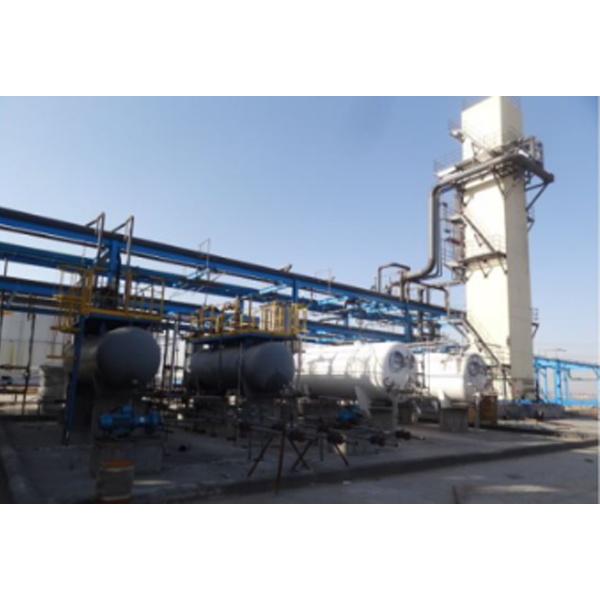
The main application point is gas purification. Not that global “ecology?” from the news, but specific, at the level of the plant pipe. For example, the separation of acetylene from a cracking stream or deep purification of synthesis gas. NHD is valued here for its selectivity and, importantly, its relatively low volatility. Less evaporation means less emissions into the atmosphere directly from the absorption process itself. This is a basic but real benefit.
However, the key word is “comparatively”. You can't call it absolutely harmless. Therefore, the environmental effect of the entire technology is tied to the closure of the cycle. How is solvent regeneration organized? How effectively does it distill the extracted components? This is where the level of engineering culture comes into play. Chinese engineering companies that grew out of large manufacturing holdings often have an advantage here - they have honed technologies in their own facilities, facing the real consequences of leaks or incomplete regeneration.
You can recall one project to modernize a natural gas purification plant at a field in Western Siberia. They also considered a Chinese technology package where NHD was used to remove sulfur compounds and CO2. In the specifications, everything looked ideal: high degrees of purification, low energy consumption for regeneration. But during a detailed discussion, a practical issue arose: the behavior of the solvent under sharp fluctuations in pressure and composition of the raw material in winter. Chinese engineers provided data from a similar installation in Xinjiang, where the climate is also harsh. This is not a guarantee, but such experience is from the “field” conditions are always more convincing than bare numbers from a catalogue.
Reverse side: recycling and “tails” process
No technology is perfect. The main environmental headache with NHD is not the work cycle itself, but what to do with the spent or contaminated solvent. Over time, polymerization products and heavy impurities accumulate in it. Just burning it means releasing emissions of nitrogen oxides and other not so pleasant things. Regeneration by distillation also has a limit.
This is where I see an interesting shift among some Chinese players. They are not just selling a solvent or a license for a process, but are starting to offer full lifecycle service contracts, including disposal. In essence, they take the waste material back. For the customer, this means a reduction in environmental risks; for the supplier, this means an additional stream of loyalty and a deep understanding of the real problems of the technology. This is the next level of responsibility.
There was even an illustrative case at a chemical plant near Zhengzhou. They have been working with NHD for years, and the problem of "tails" accumulated. The introduction of a deep cleaning and recycling system based on the developments of their own technological institute gave not only an environmental, but also an economic effect by reducing the purchase of fresh solvent. But the start-up investment was significant. Without an internal policy of strictly tightening environmental standards, this would hardly have paid off.
The role of design institutes: from drawing to operation
This is where it’s worth getting specific. A lot depends on who is behind the technology. Large chemical giants likeHualu-HengshengorWison Engineeringhave their own achievements. But the format of highly specialized design institutes that are created under such companies is interesting. They are often the link between the fundamental research of academic institutions and the harsh reality of the plant.
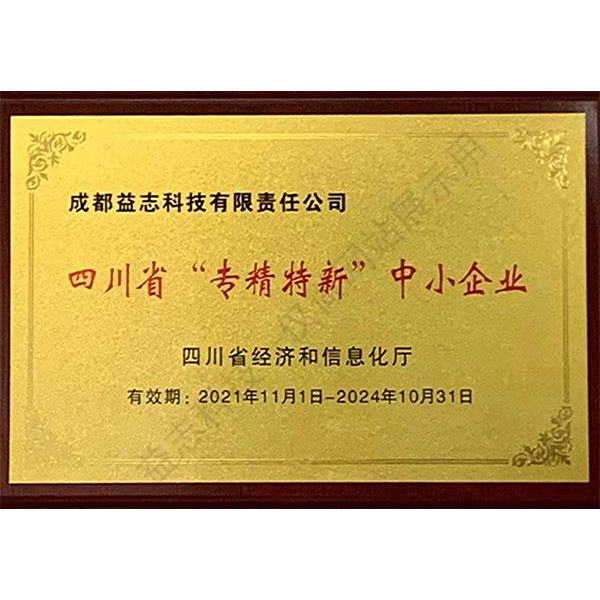
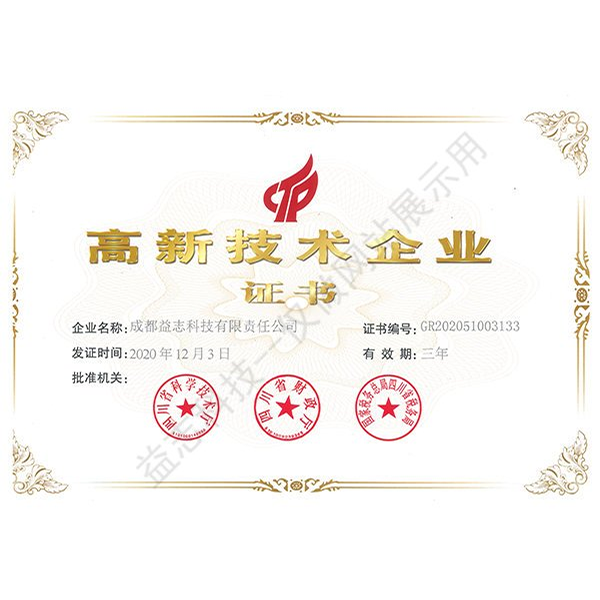
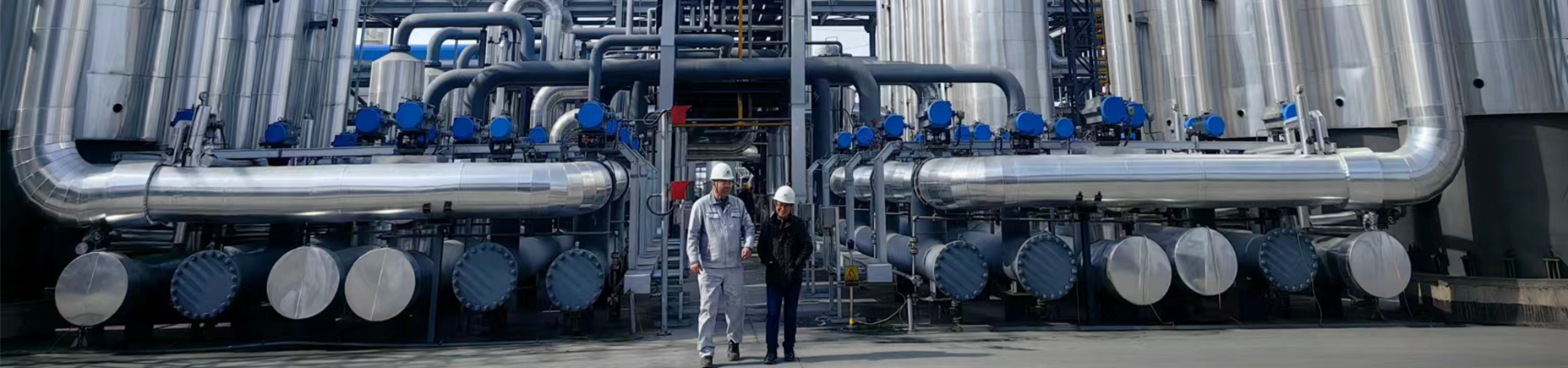
Let's take, for example,Chengdu Yizhi Technology Co. (https://www.yzkjhx.ru). It is a design institute established by Chengdu Huaxi Chemical Technology Co., Ltd. in 2013. Such structures are not just sales offices. Their capital of 120 million yuan is investment in engineering, test benches, and modeling. When such an institute offers technology using NHD, it usually develops it to the level of hardware design and mode maps. This is important because environmental safety is laid down precisely at the design stage: calculation of sealing systems, ventilation, emergency discharges.
Their portfolio probably includes solutions for the so-called. ?small-tonnage? chemistry, where the use of NHD can be spot-on, but is critical for the purity of the final product. And here ecology is understood not only as environmental protection, but also as the purity of the technological chain - the absence of impurities and adverse reactions. This is a more holistic view.
The price of the question: when is it green? becomes profitable
It all comes down to economics. NHD technology itself is not a panacea or automatically “green”. It all depends on how it is integrated into the overall process. Chinese companies have become masters at optimizing capital and operating expenses over the past decade. And sometimes this goes against environmental friendliness - for example, if they save on vapor monitoring systems or on sealing material.
But the trend is changing. Within China, environmental legislation has become incredibly strict. Therefore, the solutions that they are now offering for export have already been tested by their own regulators. This means that the basic package often includes condensers-refrigerators on regeneration lines and scrubbers for blowing gases. This is not charity, but a necessity that has become a competitive advantage. For a buyer, say, in the CIS, this can be a plus: he receives technology that has already been adapted to strict standards.
However, there are also pitfalls. Chinese standards for the content of impurities in wastewater or for maximum concentration limits in the air of a work area may differ from local ones. You always need to conduct an additional examination of the project to ensure compliance with your specific standards. I have seen situations where a plant operating perfectly in China in another region required retrofitting simply because local background emission requirements were stricter.
Looking Ahead: NHD and Alternatives
The NHD is a time-tested workhorse. But the world does not stand still. Ionic liquids, membrane technologies, and new generation adsorbents are emerging. Chinese research centers are actively working in this field. The question is whether NHD will be gradually replaced or will find its stable niche in combination with new methods.
My feeling, based on observations of several modernization projects, is that complete displacement will not happen for a long time. Too much equipment is designed specifically for it, and the methods are too well developed. A more likely scenario is hybridization. For example, preliminary rough cleaning with NHD, and then finishing with membranes. This can reduce overall solvent consumption and therefore the environmental footprint.
Chinese technology companies, the same design institutes, are now at the stage of actively searching and testing such hybrid solutions. Their strength is the ability to quickly prototype and test in pilot plants using their own chemical complexes. Therefore, when in a couple of years they offer an “environmentally optimized” one on the market. package using NHD, there is a high probability that behind this there will be not just a theory, but the experience of pilot tests. And this practical, sometimes even crude, development stage is exactly what distinguishes real technology from a beautiful presentation.
As a result, the answer to the question in the title is ambiguous. The NHD formula itself is not Chinese know-how. But complex technological solutions based on it, which include design, materials, control and disposal systems, are where the experience and, importantly, practical developments of Chinese engineering companies are concentrated today. Their approach has become less theoretical and more down-to-earth, taking into account real operational and, critically, environmental costs. This is already a serious bid for competition in a world where there is “greenness”. - this is not just a word, but part of a feasibility study.