Chinese exporters of ion desulfurization technology?
2026-01-06
When you hear this question, the first thing that comes to mind is huge installations at coal-fired thermal power plants, somewhere near Beijing or Shanxi. But reality, as usual, is more complex and interesting. Many people mistakenly believe that China is simply copying and selling hardware cheaply. In fact, we are talking about a complex package: from design and chemical compositions to adaptation to local, often far from ideal, operating conditions. And here it is no longer quantity, but specific engineering solutions that come to the fore.
From ?iron? to the technology package: evolution of the approach
Previously, about ten years ago, many Chinese companies really positioned themselves as equipment suppliers. They will deliver an absorber, pumps, and a control system - and consider the job done. But in practice, especially in the CIS countries, this often led to problems. The composition of the flue gases differed from the calculated one, the ash content of the coal was different, and local personnel could not always understand the control logic. The installation is expensive, but they can’t get emissions certificates. It was a painful but necessary lesson.
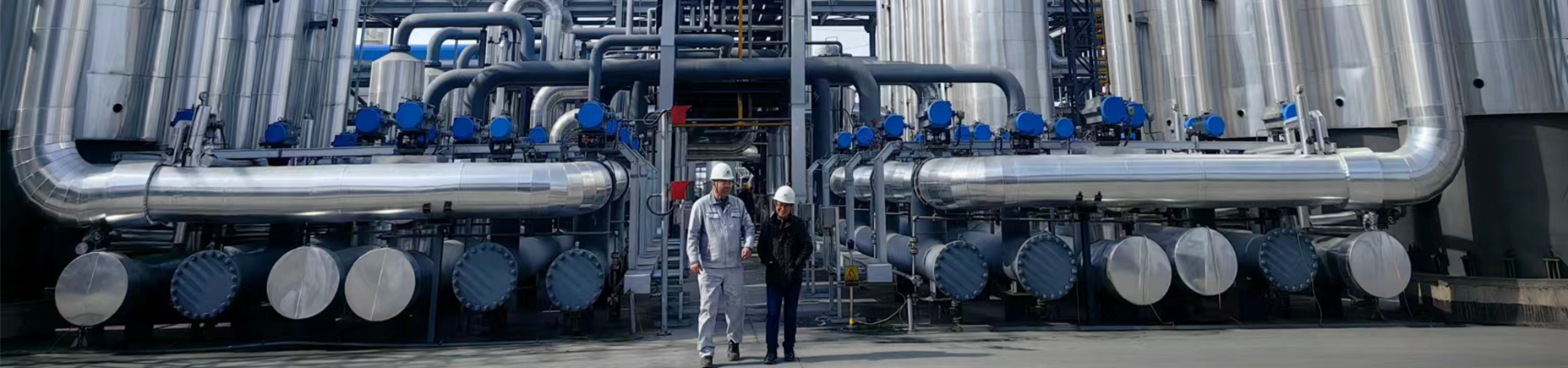
Now the focus has shifted. Keyword -technology package. This is not just selling reagents and steel. This is a full cycle: facility audit, process modeling, detailed design (D&D), supply of key equipment (the same ion desulfurization reactor is the heart of the system), installation supervision, commissioning and, what is critically important, personnel training and technical support. The client does not buy a device, but a guaranteed result - a certain degree of gas purification. This is the main change in the market.
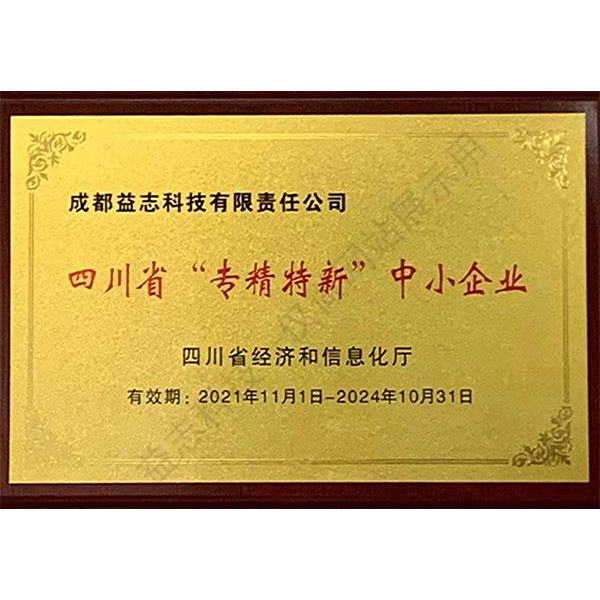
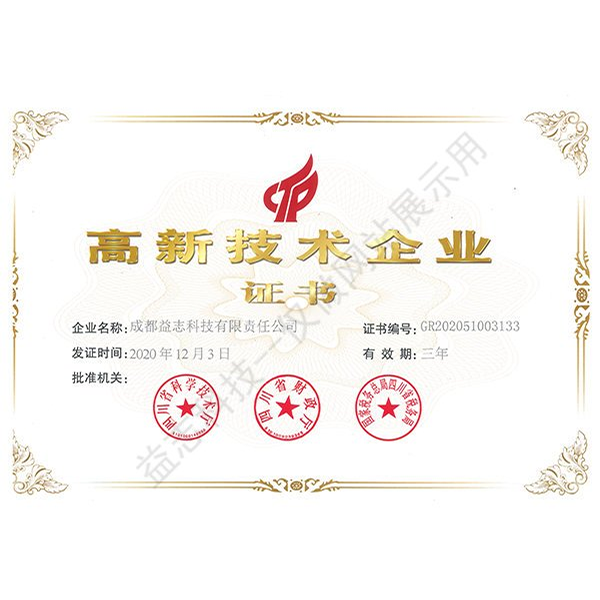
Let's take for exampleChengdu Yizhi Technology Co.(their website isyzkjhx.ru). This is not just a manufacturing plant, but a design institute created on the basis of a chemical technology company. This is important. Their capital of 120 million yuan is an investment not only in workshops, but also in engineering personnel, laboratories, and patents. When such a player offers a solution toion desulfurization, he is essentially selling his many years of experience in process chemistry, packaged into a specific project. Their website, by the way, is in Russian - already a signal of serious intentions in our market.
Where the pitfalls lie: practical observations
There are no ideal projects. Even with the best technology package. One of the most frequent “surprises”? - this is the behavior of ash. In China, they often work with coal, the gold from which has certain absorption properties. If you use the same sorbent on, say, Kazakh or Russian coal, the efficiency drops. It is necessary to adjust the dispersion of the supplied reagent or the injection point on the spot, sometimes by trial method. This is the same “finishing” that cannot be described in the catalogue.
Another point is the logistics of reagents. Ionic desulfurization technology often involves the use of specific compounds. Their regular supplies must be established. There were cases when the installation was designed for one type of reagent, but another one had to be purchased locally, with slightly different parameters. The control system had to be reconfigured. Therefore, now competent suppliers immediately build flexibility into the process control system algorithms and offer options along the supply chain.
And, of course, the “human factor”. You can install the most advanced system, but if the operator at a thermal power plant is used to manually turning the valves and does not trust the automation, he will find a way to turn it off. Therefore, the training stage is not a formality. The projects that work best are those where Chinese engineers do not just conduct a two-week course, but stay for the commissioning period and go through several real-life situations with the local shift, including emergency shutdowns. This creates trust.
Case: adaptation to “non-standard” gas
I would like to give an example of one project; I will not name the customer, but the gist is illustrative. The talk was about modernizing a boiler house that runs not on pure coal, but on a mixture of coal and enrichment waste. The composition of the flue gases was extremely unstable - changes in SO2, temperature, and humidity. The standard ion desulfurization scheme may not have been able to cope.
Engineers from the sameChengdu Yizhi Technologyproposed a non-standard solution. They broke the process into two stages. The first one is fast, “rough?” cleaning with a cheaper sorbent to remove peak loads. The second stage is the main, fine cleaning using classical ionic technology. The key was not the equipment itself, but the control algorithm, which analyzed data from gas analyzers in real time and redistributed reagent flows between stages. The system has been “taught” adapt.
This case illustrates the shift well. Previously, they would have tried to adjust the gas to the installation. Now they can flexibly adapt the installation for gas. This is the highest level of technology export. And this is what people are willing to pay for. The project, by the way, turned out to be successful, but the payback period was delayed by six months due to more complex setup. The client was warned about this risk in advance.
Market and prospects: which way is the wind blowing?
Now demand is shifting from the purely energy sector to industry: metallurgy, cement plants, chemical production. There, the cleaning requirements may be even stricter, and the conditions may be more complex. This is a new challenge for exporters. There are no ready-made solutions out of the box; we need a deep analysis of the customer’s technological chain.
Another trend is the request for a “digital twin”. Increasingly, people are asking not just for automated process control systems, but for a digital model of the installation, which allows them to simulate its operation, optimize the consumption of reagents and predict wear. Chinese companies are actively developing in this area. The same design institutes have huge data banks from real objects on which they can “train?” such models. This becomes a serious competitive advantage.
In conclusion, I will say: Chinese exports in the regionion desulfurizationstopped being a story about cheap equipment. This is a story about complex engineering solutions, backed by vast internal experience and adaptability. Yes, risks remain - the language barrier, differences in standards, logistics. But those who have gone from a simple supplier to a technology partner, as, apparently,Chengdu Yizhi Technology Co., already occupy their stable niche. Their strength lies not in price, but in the ability to solve a specific, not always textbook, customer problem. And this, ultimately, is the real export of technology.