Chinese desalting equipment: innovation and reliability?
2026-02-03
Here is a question that constantly comes up in conversations with colleagues: have Chinese water desalination plants really moved from the status of a “low-cost alternative?” to real competitors on complex projects? Many people still think in the stereotypes of ten years ago, expecting only to copy Western technologies. But in practice, everything turned out to be much more interesting and ambiguous.
From stereotypes to real contracts
I remember about seven years ago we first seriously considered Chinesemembrane blockfor one project in the Caspian Sea. The main argument ?against? then there was precisely untested reliability in the long term. Everyone knew about the cost, but doubted the service life of the membranes and the stability of the automation. It was difficult to decide.
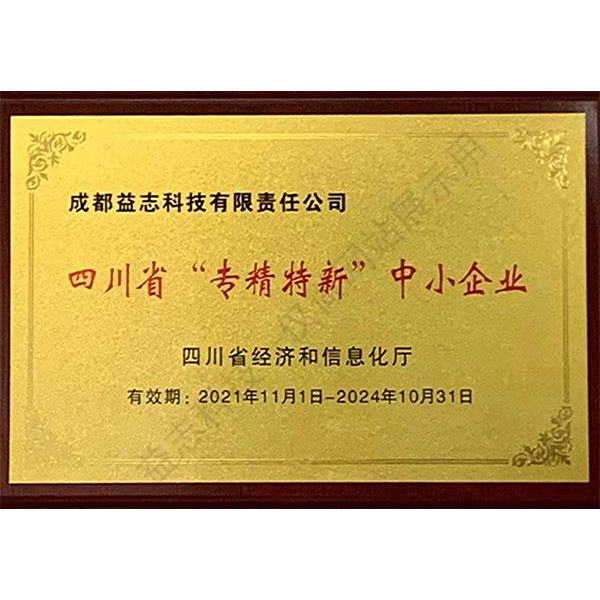
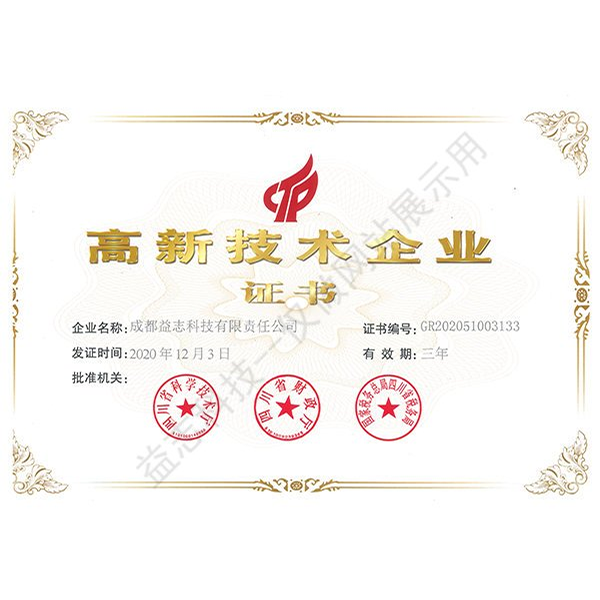
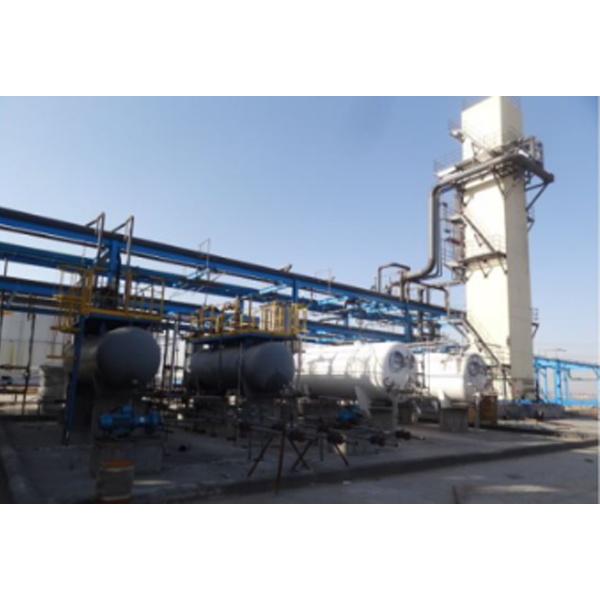
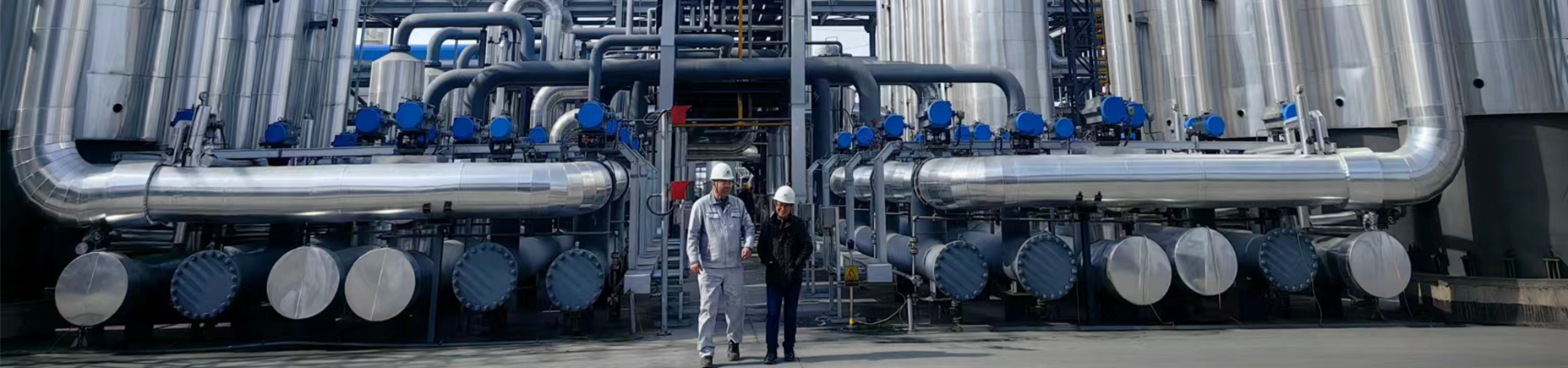
However, the situation began to change when not just equipment manufacturers, but full-cycle design institutes began to enter the market. This is the key point. For example,Chengdu Yizhi Technology Co.– this is just such a case. This is not just a plant, but an engineering company created on the basisHuaxi Technology. Their websiteyzkjhx.ru– this is, in fact, a portfolio of completed projects, where it is clear that they carry out “turnkey” work: from chemical water treatment to complex ultrafiltration and reverse osmosis systems for the energy and petrochemical industries.
It was this approach - when the supplier is responsible for the entire technological chain and has a serious authorized capital, the same 120 million yuan for Yizhi - that began to change perceptions. The risk for the customer is reduced. We stopped seeing just a “box with membranes”, but saw a partner capable of making calculations, selecting reagents and being responsible for the final parameters of the water.
Where is innovation and where is adaptation?
I will not say that Chinese companies are inventing completely new physical principlesdesalting. Often their strength lies in smart adaptation and optimization. Their engineers have thoroughly studied the patent landscape and now offer very balanced solutions. A striking example is working with energy efficiency.
At one of the sites in Central Asia, we compared offers. The European installation was, of course, of high quality, but its “filling?” was standard. The Chinese option, which was ultimately chosen, offered a custom energy recovery scheme between flows. Not a revolution, but careful engineering, which resulted in energy savings of about 8-10% per year. For the customer, these were no longer abstract “innovations,” but concrete economics.
There is also a downside to this. Their ?innovation? sometimes they touch unexpected nodes. For example, they may suggest a non-standard material for the clarifier filter housing that is more resistant to a specific type of suspended matter in the source water that we did not initially think about. This comes from extensive experience working with different, often very complex, water sources around the world.
Reliability: what does it consist of?
Here's the fun part. Reliability is not just about MTBF (mean time between failures). This also includes maintainability, spare parts logistics, and reaction speed of engineers. With this, Chinese suppliers have had a real evolution.
Previously, the main headache was logistics. A specific part of the high-pressure pump is broken - wait a month. Now many serious players, including the mentioned Yizhi, have created regional spare parts warehouses, for example, in Dubai or Russia. This changes things dramatically. Plus, Russian-speaking support engineers have appeared who don’t just translate manuals, but actually understand the process.
But there is a nuance that is rarely written about in brochures. Their reliability is often ?tied? for the use of original consumables and reagents. An attempt to save money by installing membranes from another brand into their device may result in loss of warranty and unstable operation. This is not a negative, but rather a feature of their business model. You need to understand this at the start and factor it into your calculations.
Failures and lessons: without this the conversation is incomplete
We had experience that almost discouraged us from working with one supplier. We were talking about a compact installation for a boiler room. Everything looked perfect on paper, but during commissioning it turned out that the operating algorithm of the flushing valves was not adapted to the high content of colloidal silicon in our water. The system “choked”, the membranes quickly became dirty.
However, a solution was found quickly. Their engineer flew in, tinkered on site for a week, finalized the controller program and recommended an additional dispersant reagent. The installation worked. The lesson was simple: their default settings are designed for ?average? water. The more detailed and honest you provide an analysis of the source water at the design stage, the fewer surprises there will be later. By the way, after this incident I began to appreciate their flexibility in modifications more highly.
What's the result? Pragmatic view
Today's choice of Chinesedesalting equipment– this is not a question of saving at any cost. This is a pragmatic calculation. For standard tasks with moderate requirements – they often provide the best value for money. For complex, non-standard projects, you need to choose exactly those partners who have the status of a design institute, such asChengdu Yizhi Technology Co., and can prove his experience with cases, not pretty pictures.
Their reliability has ceased to be a myth, but has become a conventional value. It directly depends on the depth of development of the technical specifications, on the presence of competent editing supervision and on the readiness of both parties for dialogue. This is no longer a supplier, but rather a technologist-contractor.
So, to answer the question from the title: yes, there are innovations, but they are applied, aimed at efficiency. Yes, there is reliability, but it requires proper ?integration? to the project. And most importantly, Chinese players are no longer just hardware producers. They sell water treatment technology and it's a game changer. And those who have not yet understood this risk simply overpaying for the brand without receiving real benefits.