China: argon oxygen purification products?
2026-03-16
When you see such a request, it is immediately clear that the person is most likely looking not just for a theory, but for specific equipment or solutions for removing oxygen from argon. Often this is where the first mistake lies: many people think that this is some kind of “magic”? installation. In fact, under ?products? This means a whole complex: from deoxygenation catalysts and adsorbents to entire technological lines, including reactors, dryers, and control systems. And China here is not just a producer of cheap hardware, but a source of serious, proven solutions, especially for medium and large projects. But there are also plenty of pitfalls.
What's really behind "argon purification"?
Marketing aside, the main task is to obtain argon 5.0 or higher, where the O2 content drops to a few ppm, or even ppb. The most common method in industry is catalytic purification with hydrogen. You take a reactor, add a catalyst based on palladium or copper, feed a mixture of argon with a small amount of hydrogen, and oxygen, in the presence of a catalyst, reacts with H2 to form water. The water is then removed by adsorption. It would seem that the scheme is simple.
But here is the first practical problem: the choice of catalyst. Chinese suppliers offer dozens of brands. Some work at room temperature, others require heating to 150-200°C. The effectiveness of the decline in activity is also history. I remember that on one of the first projects we took a relatively cheap copper catalyst. The first six months - everything is perfect, the oxygen output is less than 1 ppm. Then there was slow growth. It turned out that the raw argon contained traces of organochlorine compounds that “poisoned” active centers. I had to install an additional carbon filter at the inlet and change the catalyst. Lesson: save on pre-cleaning - lose on the main process.
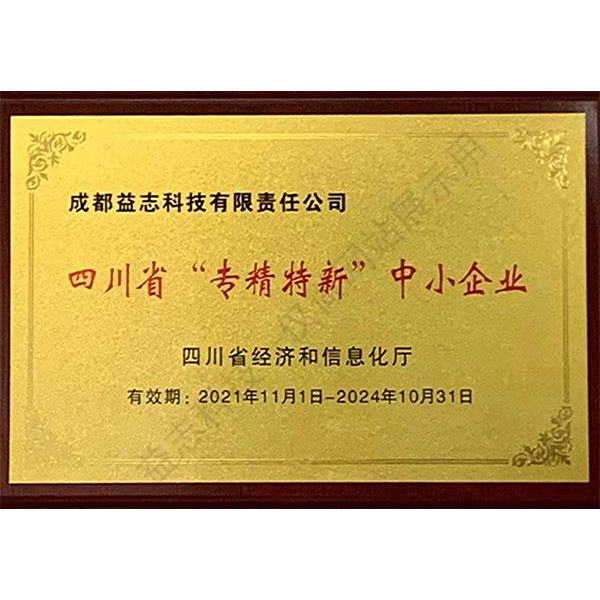
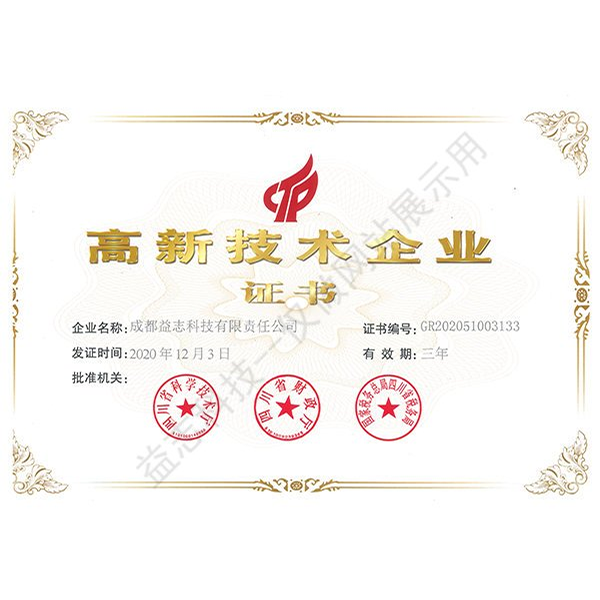
Another nuance is the reactor itself. Not only is the pressure and body material (usually 316L stainless steel) important, but also the design of the gas distribution devices. To avoid channeling and ensure complete gas contact with the catalyst. Some Chinese manufacturers, especially Chengdu Yizhi Technology Co., have this well thought out in their modular setups. By the way, they often publish cases on their websiteyzkjhx.ru, which is useful for initial analysis.
Adsorption drying: you can’t live without it
After the catalytic reactor, you have argon that is pure oxygen, but saturated with moisture. This means that the next mandatory step is adsorption dryers. There are usually pairs of columns with molecular sieves or aluminum oxide. One operates on drying, the second on regeneration (purging with hot inert gas).
The key parameter is the outlet dew point. A good installation should output -60°C or lower. In China they have learned to make very good automatic valve blocks for switching these columns. But there is a subtlety: the quality of the molecular sieves themselves. We once purchased a batch from a new supplier - the price was attractive. The sieves quickly “sintered”, lost capacity, regeneration did not help well. An autopsy showed the low mechanical strength of the granules - they simply abraded into dust. We returned to proven brands, which are used, for example, in Chengdu Yizhi Technology Co. in its comprehensive lines. Their institute background (they are also a design institute created by Huaxi Technology) is noticeable - they often themselves select the adsorbent for a specific gas composition.
An important point that is often missed in specifications: cycle time. If it is calculated incorrectly, especially when the flow rate fluctuates, the dew point will creep. You need a good supply of adsorbent capacity.
Alternatives and niche solutions
The catalytic method with hydrogen is not a panacea. Hydrogen is not always available, and its excess must also be removed later (usually by catalytic afterburning). For some applications traces of H2 are not acceptable. Then they look awayargon cleaningusing getter alloys or membrane technologies.
Getter installations (such as non-evaporable getters) are expensive, but for ultra-high purities (semiconductor industry) they are sometimes the only option. Chinese companies here are still more assimilating Western technologies, but they already have their own developments, especially in terms of vacuum systems where such getters are integrated.
Membranes are a separate topic. They are good for rough cleaning or when you need to separate streams. But for deep purification to high ppb for oxygen, they are, as a rule, not enough. More often they are used as a preliminary step to reduce the load on the main catalytic or adsorption system. I saw such hybrid solutions in the portfolio onyzkjhx.ru— they combine membrane nitrogen separation with subsequent catalytic purification from residual O2. For certain tasks - it is very rational both in price and in terms of space occupied.
Control and analytics: without this everything is blind
You can install the most expensive installation, but if you don’t control the process, the result is unpredictable. Online oxygen and outlet dew point analyzers are a must. Chinese devices have come a long way here. Previously, only Western Sensotron or Meeco were installed, now many trust local brands like Cubic or Teledyne (which, by the way, also have production in China).
But the analyzer is half the battle. The correct sampling point, sample preparation (to avoid condensation along the way), and regular calibration are important. I had a case when the O2 analyzer showed a stable 0.5 ppm, and the laboratory chromatograph at the outlet periodically recorded bursts of up to 5 ppm. We spent a long time looking for the cause - it turned out that the flange on the dryer regeneration line was leaking. At the moment of switching the columns, atmospheric air was sucked in. So the control system must be comprehensive.
And one more thing about calibration: cheap gas mixtures for calibration are a false economy. It’s better to buy from trusted suppliers, otherwise all your ?ppm? - just numbers on the screen.
Integration and pitfalls from the supplier
When choosing a Chinese supplier, it is important to understand what you are buying: just a set of equipment or a technological solution. The difference is huge. Major players like Chengdu Yizhi Technology Co., Ltd. position themselves as a design institute with a registered capital of 120 million yuan. This means they can take on the entire cycle: from analysis of raw materials and development of a technological scheme to supervision of installation and commissioning.
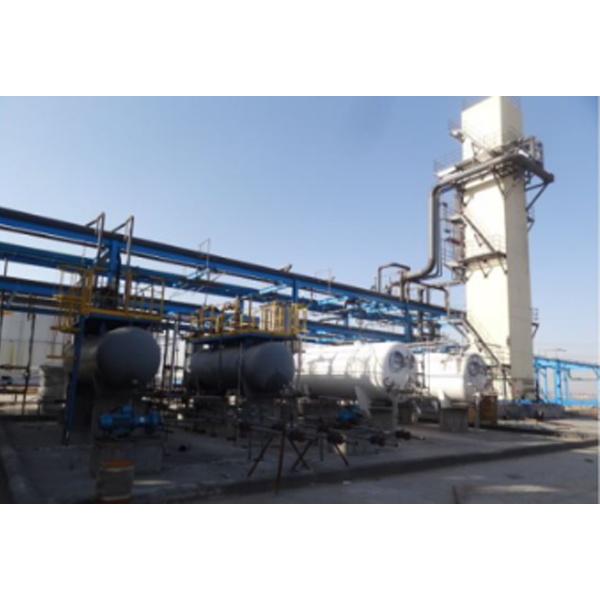
This is critical. Because it is one thing to receive several reactors and columns for storage, and quite another to receive a system ready for operation, where all components are matched to each other, and valves and sensors are integrated into a single control system. Their website shows that they focus on complete “turnkey” projects. For medium and large businesses, this is often more profitable than assembling a system in parts from different vendors.
But there is a nuance here: communication. The terms of reference (TOR) should be as detailed as possible. Not “we need pure argon?”, but specific figures on consumption, input and required composition, available communications (electricity, water, inert gas for regeneration), and the desired degree of automation. The more detailed the technical specification, the more accurate the proposal and the fewer surprises at the commissioning stage. And yes, even with the best suppliers, always allow time for eliminating small “jambs”. after start-up - this is normal practice in any mechanical engineering.
Bottom line: what to look for when choosing
So, returning to the original question aboutproductsfor purifying argon from oxygen from China. Don't just look for a product. Look for a solution from a company with proven experience in your or a related industry (metallurgy, welding mixtures, electronics). Look at completed projects, ask for contacts for feedback from past clients.
Pay attention to the depth of elaboration. A good sign is when in a dialogue the supplier asks a lot of clarifying questions about your process, and does not just reset the price list. Companies like Chengdu Yizhi, with their institute base, usually work this way.
And most importantly, consider the total cost of ownership, and not just the price of the equipment. It includes the cost of the catalyst/adsorbent over its entire service life, energy consumption, and maintenance costs. Sometimes a more expensive, but efficient and reliable installation pays for itself in a couple of years due to savings on reagents and lack of downtime. Oxygen in argon is the enemy with which it is better to immediately negotiate on the right terms by purchasing an adequate technological solution, and not just a set of pieces of hardware.