Is China putting pressure on LNG exporters with technology?
2026-02-17
Lately, this question has been popping up more and more often in industry chats and on specialized platforms. Many, especially in the West, imagine this as some kind of centralized “attack?” or “squeeze strategy?”. In my opinion, this is an overly simplified and even distorted vision. This is not about direct pressure, but about natural market and technological drift, where Chinese players, having accumulated competencies, simply began to offer more favorable conditions. But let's take things in order.
Where does the myth about “pressure” come from?
When we started working with Chinese cryogenic equipment contractors ten years ago, they were perceived solely as a source of cheap components. There was no talk of any full-fledged technology package. The main players are the American Air Products, the Germans Linde, and the French Technip. Their positions seemed unshakable.
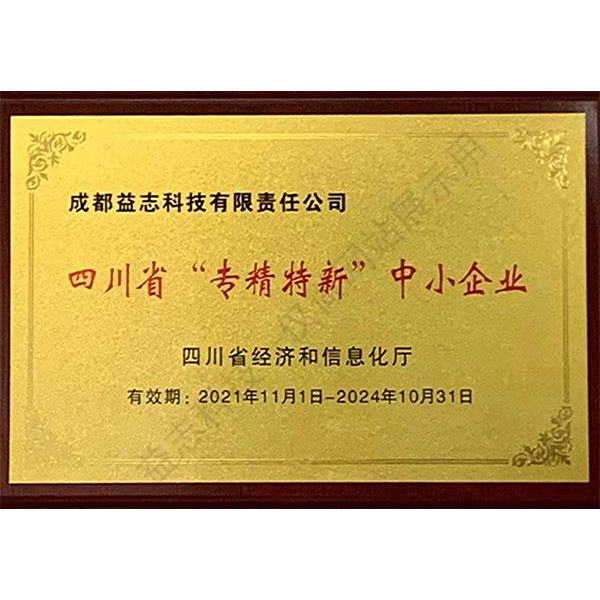
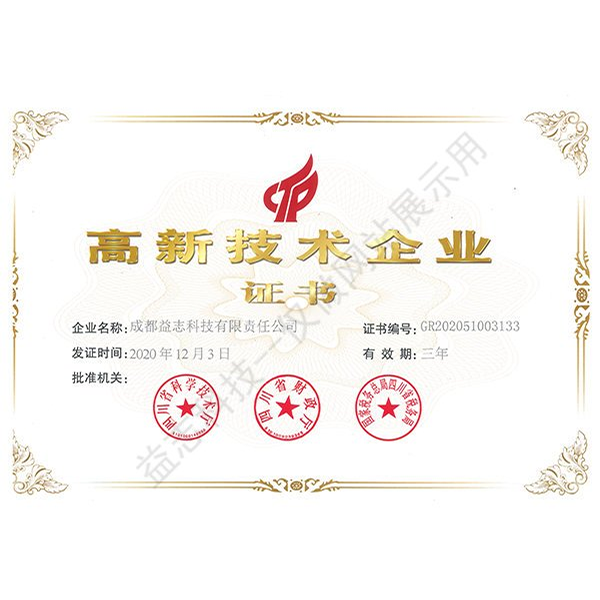
The situation began to change sometime after 2015. The Chinese began not just to copy, but to offer their own engineering solutions, especially in the field of liquefaction of medium and small capacities. I remember at one of the exhibitions in Shanghai, a representativeChengdu Yizhi Technology Co.(this is a design institute from Chengdu Huaxi Chemical Technology) talked not about the price, but about the specifics of adapting liquefaction technologies to fluctuations in gas composition in fields in Central Asia. This was the first call. They were no longer thinking in terms of “we’ll make it cheaper,” but “we’ll solve your specific problem?”
And this is where the main misunderstanding arises. Western competitors, losing contracts, especially in regions like Central Asia or Africa, explained this not by market advantages, but by “political pressure?” Beijing or hidden subsidies. There is partly some truth in this - government support is always present in China. But to reduce everything only to it means not to see the real picture on earth.
What the market actually offers: not just price
Let's take, for example, a mini-LNG project that we considered for one remote field. A classic package from a European vendor: proven technology, but rigid design, high license cost, long design cycle to meet their standards. The Chinese version, which eventually passed, is from the sameChengdu Yizhi Technology Co.looked different.
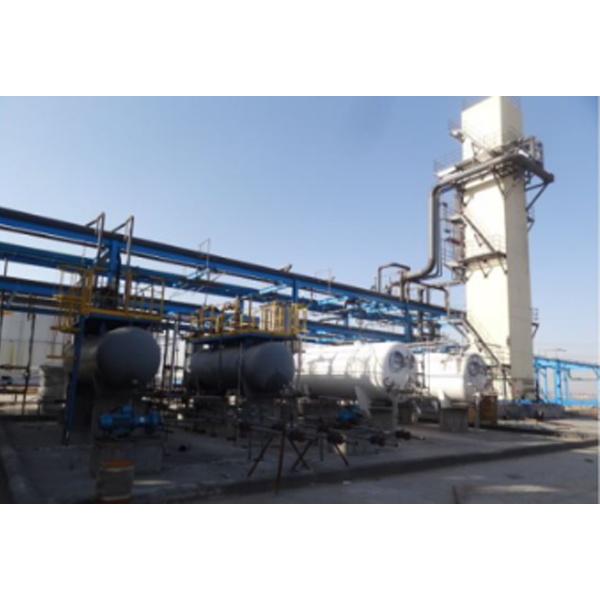
Their engineers immediately came up with a modular solution that could be assembled on site with a minimum of highly trained personnel. But the main thing is that they were ready to modify the technological scheme for our specific, non-ideal gas, with a high nitrogen content. For them, this was an engineering task, not a deviation from the “sacred?” standard Websiteyzkjhx.ruBy the way, theirs is discreet, but in the technical sections there is a lot of specifics on completed projects, right down to commissioning schedules.
It was this flexibility that became the key argument. Yes, their initial documentation was sometimes lame in terms of detailing according to ASME standards, but they quickly improved it. They didn’t “pressure”, they solved the client’s problem. And their authorized capital of 120 million yuan, which is mentioned in the company description, is not just a number, but a signal of serious financial obligations and the ability to take risks on performance guarantees.
Weak points that everyone tries not to advertise
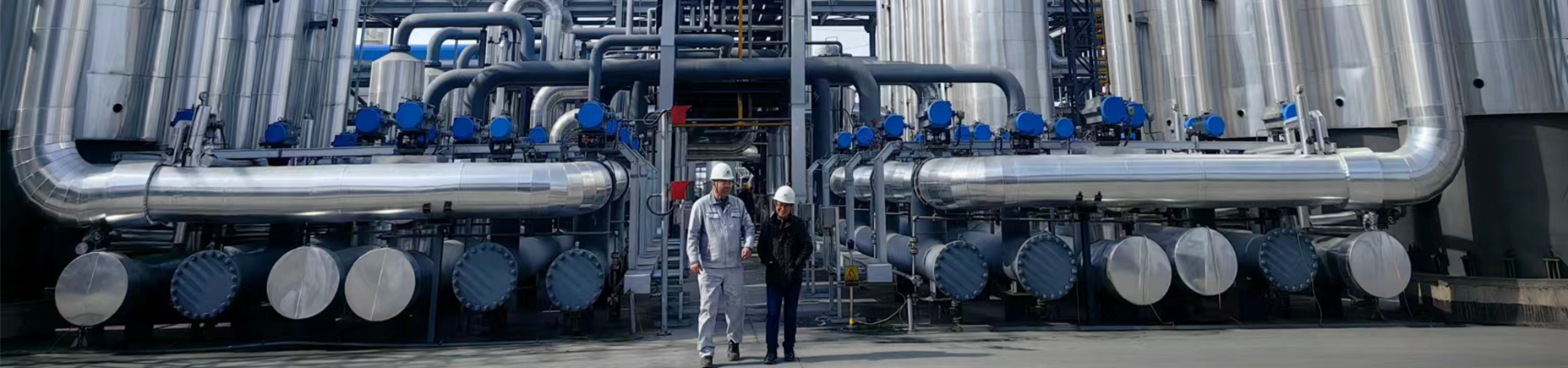
Of course, not everything is smooth sailing. When talking about liquefaction technologies, we cannot turn a blind eye to the problems. One of the main ones is “durability?” some critical components. For example, in cryogenic heat exchangers of our own production. Based on the experience of three years of operation of one such plant, the overhaul cycle of the Chinese main apparatus turned out to be 15-20% shorter than stated. But here again the reaction is important.
When we raised this issue, the reaction was not justifiable, but practical: they sent engineers, analyzed the operating conditions and offered to upgrade the inlet gas purification system free of charge, which, as it turned out, was not entirely adequate to our conditions. The problem was solved, but the sediment, as they say, remained. This is not a failure, but a typical “growing pains”. – they learn quickly, but their experience is still shorter than that of Linde, which has half a century behind it.
Another point is the dependence on supply chains within China. Sanctions or logistical disruptions, as recent years have shown, can greatly delay the time frame. Their own component base is growing, but for, say, some types of high-power turboexpanders, they can still rely on German or Japanese bearing assemblies. This is not a criticism, but a statement of fact that must be taken into account in contracts.
Where is the pressure? really felt
If we can talk about pressure, it manifests itself in another way - in package offers. Chinese companies, especially those associated with giants such as CNPC or Sinopec, are increasingly entering the market not just as technologists or builders, but as financial partners. “We provide technology, build, and pay – partly with future LNG or through trade credit?” For countries with budget deficits, this is a killer proposal.
Western companies, with their strict corporate rules and ROI requirements, often cannot structure deals so flexibly. This is where the Chinese are really putting pressure. – but not by technology, but by financial conditions and willingness to share risks. Their design institute such asYizhi Technology, acts as a key executive link in this scheme, ensuring the feasibility of the entire package.
In this model, liquefaction technology becomes not a separate product, but part of a strategic asset. And it’s difficult for gas exporters, especially those who want to quickly enter the market, to refuse this. This is a systemic advantage that is still difficult for the West to copy due to a different model of interaction between business and the state.
What will happen next: my guesses
Judging by what can be seen from the inside, the Chinese players will not stop there. Their next step is not just selling technology, but creating an ecosystem. We are talking about digital twins of factories, maintenance services based on big data, and long-term contracts for modernization. They are already testing this on their internal assets.
For traditional LNG exporters, this will create a new reality. Once you become attached to one technology platform, it will be difficult and expensive to leave. This is a classic "closing" strategy. client. But again, this is not pressure, but the evolution of the business model. Some will call this techno-financial neocolonialism, while others will simply call it an effective long-term partnership.
Personally, I think it’s time for European and American companies to stop blaming their losses on “pressure?” and begin to learn from competitors - their flexibility, speed of reaction and willingness to dive deeper into the customer’s problems than required by the contract. Because ultimately, liquefaction technology is a tool. And the winner is the one who better understands why and under what conditions this tool will be used. The Chinese are now fully demonstrating this understanding, and their design institutes likeChengdu Yizhi Technology- at the forefront of this process.