China: leaders in hydrogen production by conversion?
2026-03-04
When people talk about the hydrogen economy, everyone immediately thinks of green hydrogen from electrolysis. But if you dig into the real volumes and operating capacities in the country, the picture changes dramatically. The bulk of hydrogen today is stillhydrocarbon conversion, and here China is not just a player, but an entire ecosystem, where the scale and speed of technology implementation sometimes outstrip theoretical calculations. There is a lot of noise around new methods, but on the ground, in factories, there are installations where the key word is efficiency and adaptation to local raw materials.
Where does the real scale lie?
If we ignore the presentations, the numbers speak for themselves. The overwhelming majority of hydrogen for oil refining and ammonia synthesis in China is produced by steam reforming of methane or coal gasification. And this is not backwardness, but a pragmatic calculation. Especially in regions rich in coal, like the western provinces. Complexes are being built there wherehydrogen productionintegrated into chemical clusters - hydrogen goes directly to the production of methanol or ammonia, bypassing the difficulties with storage and transportation. The economics of the project are decided on site, not in offices.
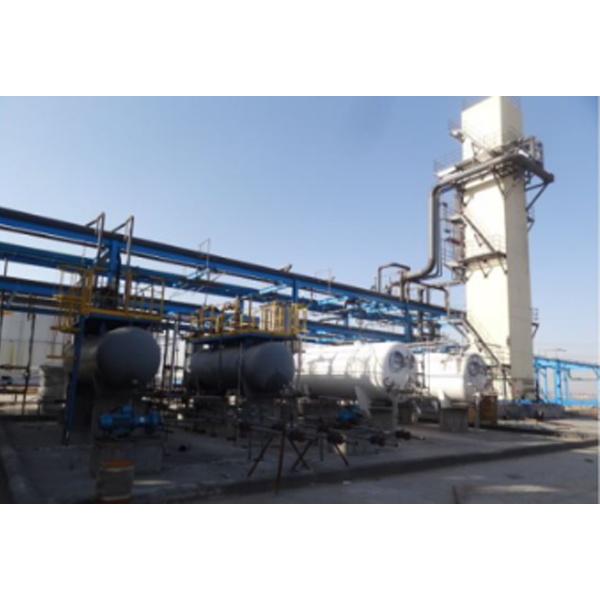
For example, in Xinjiang or Inner Mongolia. There you can see conversion plants that run on local brown coal. Efficiency? Not the highest by world standards, if measured only by energy costs. But if we consider the full chain - from the cost of coal at the mine to the price of the final product for the local market - the picture becomes winning. This is often missed by analysts who look only at technological parameters in isolation from geography and infrastructure.
At the same time, Chinese engineering companies have long gone beyond simple copying. Let's take the same steam conversion. Yes, the basic process is standard. But the nuances in the design of reformers, heat recovery systems, and catalysts are where the work is done. At one of the projects in Shaanxi province, they encountered the problem of rapid coking of the catalyst due to the composition of local natural gas. The solution was found not in replacing the catalyst with an imported one, but in modifying the pre-treatment system and adding a stage. It turned out cheaper, and the service life of the section increased. You won't always find such details in reports.
Technological trends and local solutions
There is a lot of talk these days about combining conversion with carbon capture (CCS). In China, it's not just talk. There are several pilot projects, for example, at one of the coal enterprises in Ningxia. There, carbon dioxide from the gasification plant is sent for disposal. But, to be honest, the main driving force is not the environment, but future regulatory requirements and the possibility of selling CO2 for oil production (by waterflooding). The business model is still lame, but experiments are underway.
It's interesting to watch the development of technologyconversion of methanol to hydrogen(MeOH-to-H2) for distributed refills. This is an area where China is actively experimenting. Not everywhere it is possible to lay a hydrogen pipeline or build a large plant. But methanol is a liquid, its logistics are simpler. I saw a test gas station in Guangdong that works according to this scheme. The compact on-site reactor produces hydrogen from methanol on demand. The problem was the purity of hydrogen for fuel cells - the purification system had to be seriously modified. But the direction is promising, especially for urban transport.
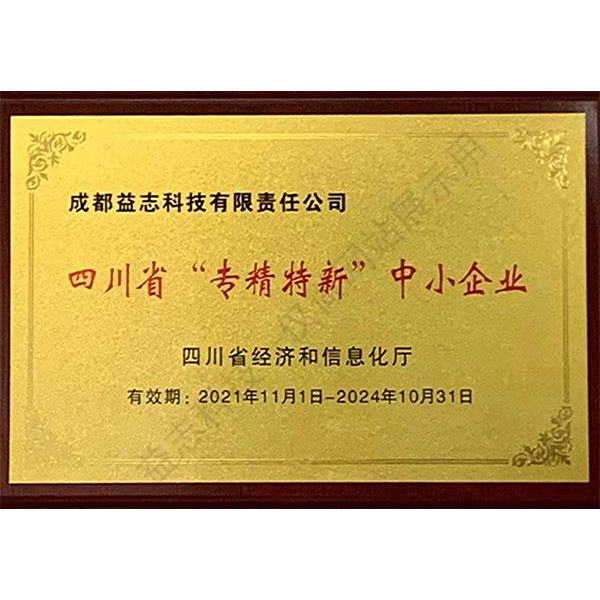
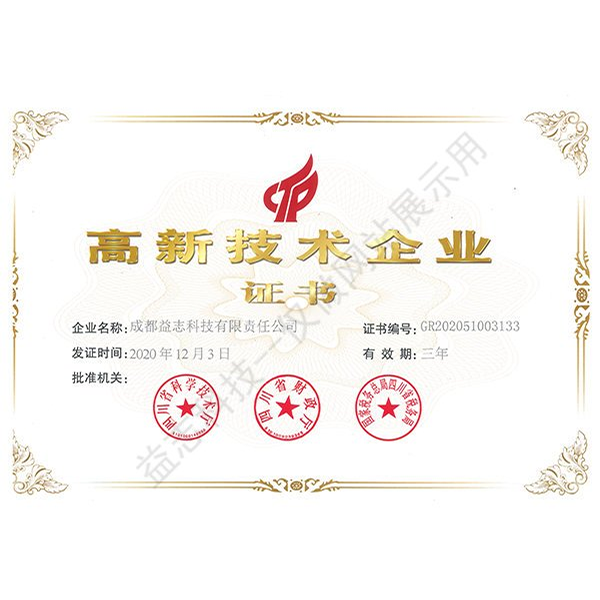
Here it is worth mentioning the role of design institutes, which are precisely engaged in such adaptation of technologies to Chinese realities. One of the striking examples isChengdu Yizhi Technology Co.(their website isyzkjhx.ru). This is not just an office, but a full-fledged engineering center created on the basis of Chengdu Huaxi Chemical Technology. With a registered capital of 120 million yuan, they can afford serious R&D. In essence, they act as a link between fundamental research at academic institutions and the stringent requirements of industrial customers. Their work is not about selling ready-made solutions from a catalog, but about designing for a specific task, be it modernizing a conversion unit or integrating new cleaning systems.
Problems that are not advertised
Of course, not everything is smooth sailing. One of the main headaches is the dependence on imported catalysts for some highly efficient processes. Sanctions and supply chains force us to look for alternatives. Chinese catalyst manufacturers are making progress, but for some items, especially for large-scale installations, there is still a gap in stability and service life. This creates risks for projects.
Another problem is the water footprint. Conversion, especially coal gasification, is a water-intensive process. Water supply is tight in the northern and western regions of China. It is necessary to introduce complex water recycling and purification systems, which increases the cost of the project. At one of the sites in Shanxi, I saw how, due to water calculations, it was necessary to change the layout of the entire complex in order to use wastewater from a neighboring enterprise. The integration turned out to be forced, but effective.
And, of course, the footage. Experienced engineers who “sniffed” a working installation and understanding not only the theory, but also how it behaves under fluctuations in pressure or composition of raw materials is lacking. Young specialists come with an excellent theoretical background, but sometimes they lack practical intuition. This is compensated by strict protocols and digitalization, but nothing can replace live experience.
Looking to the Future: Where the Industry is Heading
Apparently, in the medium term, China will not abandon conversion as the main source of hydrogen. But the vector will shift towards hybrid systems. Projects are already visible where a steam methane reforming unit is combined with an electrolyzer operating on peak energy from renewable energy sources. This helps smooth out the load and slightly reduce your carbon footprint. It's still expensive, but the pilots have started.
Another trend is miniaturization and modularity. Not giant plants, but compact, standardized hydrogen production modules with a capacity of, say, 10-20 thousand Nm3/h. They can be built faster and replicated near the consumer. This reduces logistics costs. It is a technological challenge to maintain efficiency on a small scale, but work is underway. Companies like the aforementioned Yizhi Technology can play a key role here, having experience in designing both large and medium-sized facilities.
Ultimately, leadership is not just a matter of tons. It is the ability to create complete, working and economically viable systems. China is now in a unique position: a huge domestic market, powerful engineering and the will to implement. There will be a lot of mistakes, dead-end branches too. But it is precisely on this path - through practice, adaptation and solving specific problems - that the very experience that makes the country a real, and not a declarative, leader in this area is formed. Not in theory, but on real industrial sites, where compressors make noise and steam comes from reformers.