China: new equipment for methane from biogas?
2026-03-10
When do you hear about “new equipment?” from China, the first thought is again marketing, more promises about “revolutionary efficiency?” and “advanced technologies?”. We've all been through this. But if you put aside the noise, in recent years interesting solutions have really appeared there, especially in the segmentbiogas purificationto the quality of natural gas. Not that loud ?green? picture, but specific installations that operate at real sites - at MSW landfills, wastewater treatment stations, agricultural complexes. The question is: what is hidden behind these proposals and how applicable are they in our conditions? I will share what I encountered myself.
Not just membranes: what they actually offer
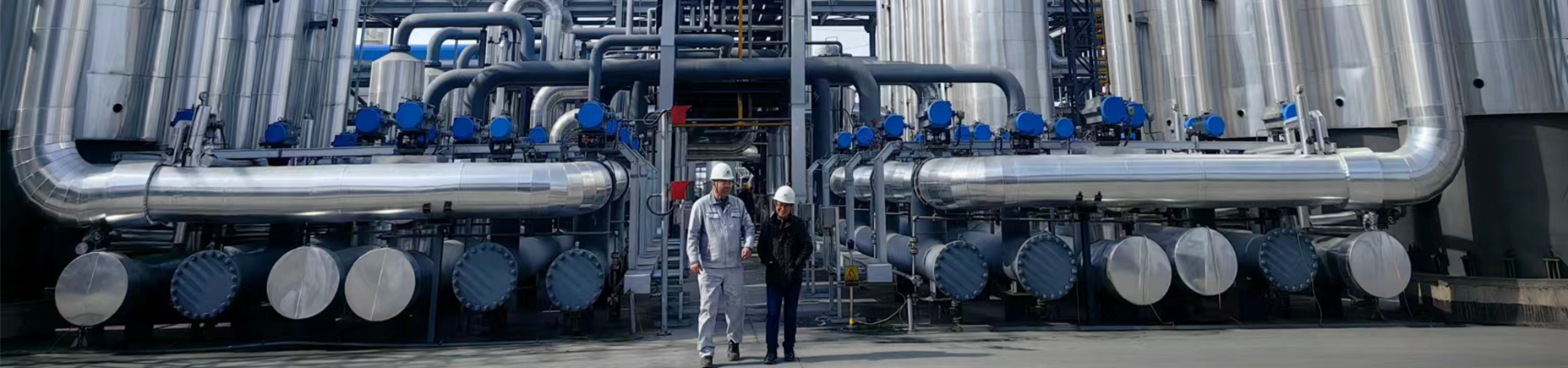
Previously, mainly membrane modules came from China, and this was a lottery ticket. The quality of the beams varied greatly, the resource was unpredictable, and sensitivity to hydrogen sulfide and siloxanes was often hushed up. Now the picture is more complicated. Yes, membranes remain, but they are increasingly offered not as a separate product, but as part of an integrated line, which also includes adsorptionpre-cleaning, and a drying system, and fine finishing. The key shift is that they began to design and supply not just devices, but technological circuits on a turnkey basis. for a specific gas composition. This is closer to engineering, and not to hardware trading.
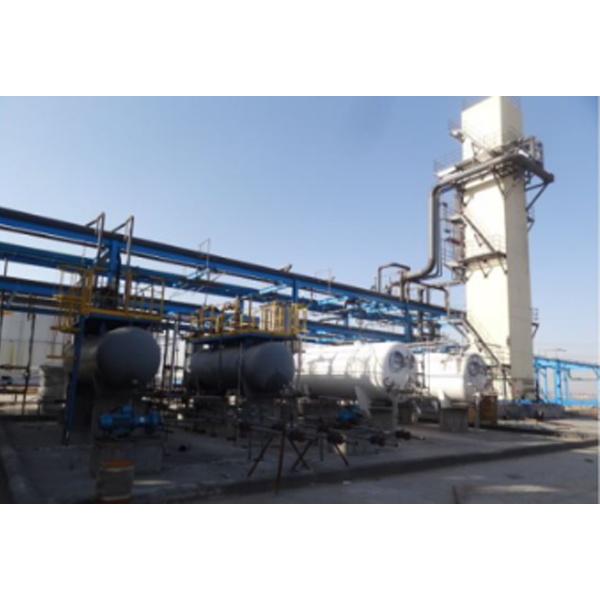
For example, I see a trend towards combined solutions for complex raw materials. Let's say, using biogas from a landfill, where in addition to methane and CO2 there are a lot of impurities. Instead of one stage, there is a cascade: first an iron oxide or chemisorption unit for removing H2S (they offer reagents with an extended service life, which is controversial, but it works), then a drying unit using adsorbents, and only then - membrane separation. An important nuance: they began to pay more attention to automation and monitoring of parameters at each stage. This is not always ideal, but it shows an understanding that selling needs to be a reliable process, not a black box.
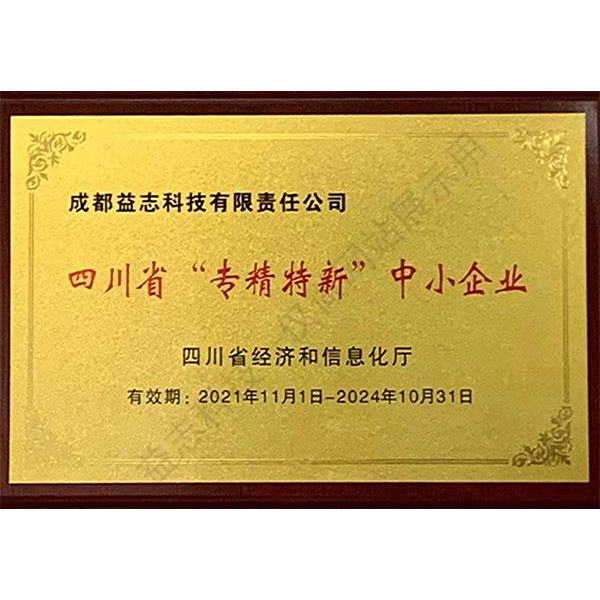
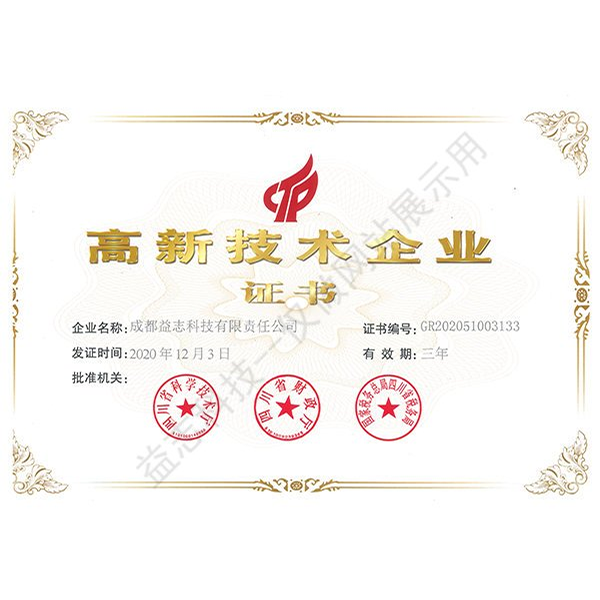
A specific example worth mentioning here is Chengdu Yizhi Technology Co. It is not just a manufacturer, but a design institute with a registered capital of 120 million yuan, established by Huaxi Technology. Their websiteyzkjhx.rufocused on the Russian-speaking market, which already speaks about the strategy. They position themselves as engineers, offering audits of raw materials, pilot tests, and circuit adaptation. Their materials show knowledge of the problems: an emphasis on the stability of methane output (at least 96% CH4) with fluctuations in load and feed composition. This is an important practical point that is often missed in the pursuit of passport numbers.
Where's the catch? Implementation experience and bottlenecks
Any equipment is tested in the field, not in a brochure. We tested one of these integrated lines at a small wastewater treatment plant. The declared productivity is 500 nm3/h of biogas at the inlet. Chinese colleagues sent their team to launch. The first thing that caught my eye was the non-standard connections on some of the pipework; I had to improvise with gaskets. This is a small thing, but typical: sometimes the documentation and the actual delivered components have discrepancies.
The main problem was revealed after three months of work. Automatic adsorbent regeneration systembiogas dryingstarted to fail when the ambient temperature dropped sharply (in our case, winter). The controller logic was "sharpened" under a milder climate. Together with their engineers, we had to adjust the program remotely. On the one hand, they responded promptly, on the other hand, this is a typical story: the equipment can be of high quality, but without deep adaptation to local operating conditions, problems arise. They now recognize this and often ask about the climate zone at the project discussion stage.
Another point is replacing consumables. Filters, sorbents, membrane elements. They promise a long service life, but in fact it greatly depends on the preparation of raw materials. Their pre-cleaning system should ensure this. It turns out to be a vicious circle: if the preliminary stage works poorly, the main expensive elements quickly fail. Therefore, now I always insist on a detailed test report specifically on our raw materials, and not on “standard” ones. data. Chinese suppliers began to agree to this, which was previously rare.
Project economics: not only the price of equipment
The initial cost of the line often looks attractive, especially compared to its European counterparts. But you need to consider the total cost of ownership. This includes: the cost of installation and commissioning (their specialists often require a visa and residence, this is an expense), personnel training (instructions in English or Russian can be “rough?”), warranty and post-warranty service, cost and logistics of spare parts.
For example, the same Chengdu Yizhi Technology Co. offers one-year warranty service with an on-site specialist. But if a specific valve or sensor breaks down at a facility in a remote region of Russia, its delivery may take 4-6 weeks. A simple installation in this case eats up all the savings. Therefore, now competent contracts include the creation of a minimum warehouse of spare parts on site or specify emergency delivery times. This is already the level of serious negotiations.
Payback. The key factor is the stability of obtaining goodsbiomethaneand its further use. If methane is used to generate electricity for its own needs, the project is sensitive to any downtime. If it is pumped into the network or used as motor fuel (LNG/CNG), the requirements for quality and continuity are even higher. Chinese installations are often designed for the first option - on-site energy recovery. To obtain highly purified methane for compression or liquefaction, additional, more expensive purification steps are needed, and here they have less experience.
Prospects and where to look
Despite the difficulties, this segment cannot be ignored. The Chinese approach is to quickly replicate and reduce the cost of proven technologies. If European companies sell a ?premium solution? with the appropriate price, then the Chinese offer “good enough?” for many practical problems. For Russia, with its huge number of small and medium-sized sources of biogas (agricultural enterprises, small landfills, wastewater treatment plants), this may be a working option.
What to pay attention to now? Firstly, for the presence of reference objects not in China, but in similar climatic and economic conditions (for example, in Kazakhstan, Belarus). Secondly, openness in providing data on the actual consumption of reagents, energy consumption of the installation, and the dynamics of changes in membrane efficiency. Thirdly, on the structure of the supplier company. Just an exampleChengdu Yizhi Technologyis indicative: this is not a trading house, but a design institute with a serious material base (the same authorized capital of 120 million). Such structures are more interested in long-term projects and reputation than in one-time sales.
As a result, the answer to the question in the title: yes, new and interesting equipment for producing methane from biogas is appearing in China. But the word “new” should be understood not as “innovative”, but as “adapted and modified to meet growing market demand?”. These are no longer crude copies, but independent developments, albeit based on well-known principles. You need to work with them, clearly understanding all the risks, setting aside time and resources for adaptation and building partnerships, not just purchasing relationships. Then the chances of a successful project are quite real.