China: new LNG liquefaction technologies?
2026-02-24
- From giants to niche solutions: the evolution of the approach
- Refrigeration cycle and “iron”: where efficiency is sought
- Field tests: theory vs. practice using the example of modular installations
- Related technologies: without which new liquefaction is impossible
- Looking ahead: what will move the industry next
When people talk about new liquefaction technologies in China, many people immediately imagine giant factories on the coast. But the reality is often subtler and more interesting - it lies in the adaptation and modernization of processes for specific, sometimes quite complex conditions, and not just in high-profile breakthroughs. Sometimes it seems that the main challenge is not to create something from scratch, but to make proven solutions work more reliably and cheaper in a new environment.
From giants to niche solutions: the evolution of the approach
Previously, the focus was on scale. Projects such as the Shanghai or Shenzhen plants followed classic designs such as the AP-X process or the C3MR cascade cycle. Technologies were mainly imported. Now the vector has shifted. Yes, large projects have not gone away, but in parallel, active work is underway on solutions for medium and small capacities, for floating liquefaction plants (FLNG) and even for the use of associated petroleum gas in remote fields. This requires different optics.
Ready-made licensed solutions are no longer always suitable here. Need adaptation. For example, Chinese engineering companies are increasingly offering hybrid designs. Let's take the sameliquefaction technologybased on nitrogen double expansion, but with optimized heat exchangers of our own design to reduce energy consumption. This is not a revolution, but an evolution, but it is precisely this that gives an economic effect in specific projects.
One of the key drivers is domestic demand for gasification of remote areas and the development of small-scale distributed energy. The demand for compact, modular liquefaction plants with a capacity of, say, 50 to 500 thousand tons per year has grown exponentially. And this is an area where local players are showing more flexibility than traditional tech giants.
Refrigeration cycle and “iron”: where efficiency is sought
If you dig deeper, the main efforts in new developments are focused on two things: optimization of the refrigeration cycle and localization of critical equipment. They work with the cycle, trying to increase its flexibility. For example, for floating installations, not only efficiency is important, but also resistance to pitching and compactness. Solutions are emerging that combine propane precooling with the main mixed refrigerant (MR) cycle, but with a simplified and more reliable control circuit.
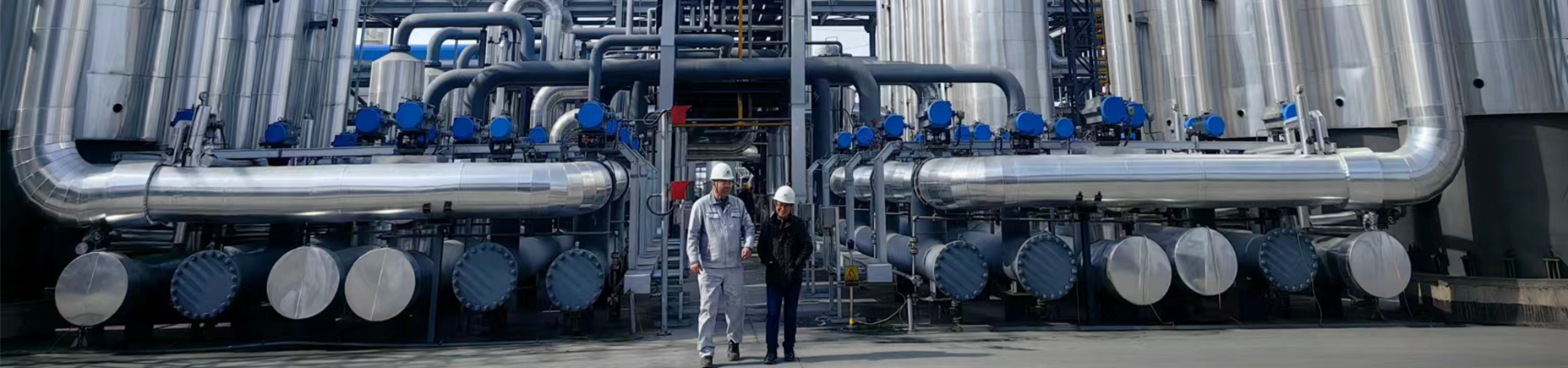
As for hardware, this is where the progress is most noticeable. Just five years ago, the main turboexpanders, cryogenic pumps and “cold box” heat exchangers. purchased in Europe or the USA. Now a number of Chinese manufacturers, such as Hangyang or Siyuan, have reached a completely competitive level in some positions. Their equipment is often cheaper, and for standard operating modes the reliability has already been proven by projects. But for extreme parameters or the largest capacities, trust in proven Western brands is still higher.
An interesting point is working with refrigerants. Due to environmental regulations, alternatives are being sought. Some pilot projects are trying blends with lower global warming potential (GWP). For now, this adds complexity to calculations and operation, but the trend has been set, and engineers have to take this into account already at the conceptual design stage.
Field tests: theory vs. practice using the example of modular installations
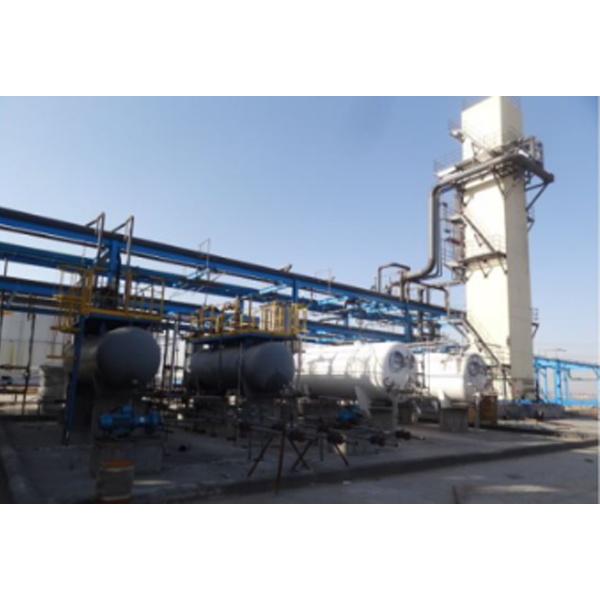
Everything looks good on paper and in test centers. But the real test is in the field. I had the experience of overseeing the startup of a modular liquefaction plant in Xinjiang. The capacity is small, about 100 thousand tons per year, the technology is hybrid, with an emphasis on air cooling due to water shortages in the region.
The first problem we encountered was the instability of the composition of raw gas from wells. The project was designed for a certain range, but the actual fluctuations were wider. This led to periodic icing in the heat exchangers and malfunctions of the expander. We had to modify the pre-cleaning system on the fly and adapt the control algorithms. This is a typical story: ideal conditions exist only in feasibility studies.
Another lesson is logistics and the qualifications of local personnel. Assembling modules at a factory is one thing. Installing them on a site with a harsh climate and training operators who previously worked only with traditional mining is a task of a different order. Sometimes the simplest mistake during startup could lead to a shutdown for several days. Therefore, now many companies, including engineering institutes, include in their contracts not just the supply of technology, but an expanded package of installation supervision and training.
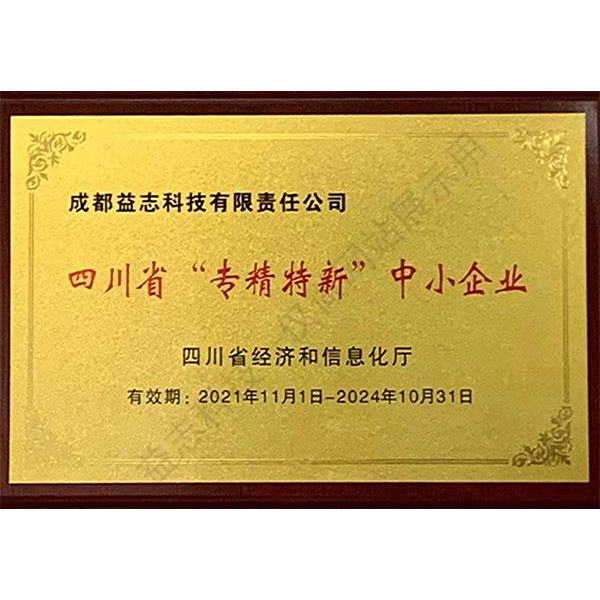
Speaking of engineering. Recently, the activity of such design institutes asChengdu Yizhi Technology Co. (https://www.yzkjhx.ru). This is just an example of a structure created for in-depth development of technological solutions. As a subsidiary institute of Huaxi Technology, with a registered capital of 120 million RMB, they focus on the full cycle from R&D to detailed design. Their approach is often based on adaptationLNG liquefaction technologiesfor raw materials from specific deposits, which is critical for those same field conditions.
Related technologies: without which new liquefaction is impossible
When talking about new technologies, we cannot limit ourselves to the liquefaction process. This is just part of the chain. Progress in related areas is no less important. For example, gas pre-purification systems (removal of CO2, mercaptans, moisture). If previously bulky adsorption units were used, now membrane or hybrid technologies are increasingly being used, which reduce size and energy costs, especially for offshore solutions.
Automation has made great strides forward. The introduction of digital twins for monitoring and predictive analytics of equipment is no longer a fantasy, but a reality in some new factories. This makes it possible to predict wear of turbines or a drop in the efficiency of heat exchangers, plan repairs and minimize downtime. Although, to be honest, at many existing facilities, operators still look at these “smart” ones with distrust. systems and rely more on the readings of conventional pressure gauges.
Another block is storage and transportation technologies. Development of more effective insulating materials for tanks and tanks, improved regasification systems. All this together determines the economics of the entire project. You can have the most efficient liquefaction cycle, but lose all the benefits on expensive logistics.
Looking ahead: what will move the industry next
So where is everything going? In my opinion, the main points of growth will be three directions. The first is further miniaturization and modularization for decentralized energy and the use of gas in transport. The second is deep integration with renewable energy sources. Pilot projects already exist where excess energy from wind turbines or solar panels is used to electrically drive liquefaction compressors. It's expensive for now, but in the long term, such hybrids are the future.
The third direction is ?green? LNG and decarbonization of the process itself. This includes both the use of biomethane as a feedstock and carbon capture during the liquefaction stage. For now, this is more a matter of image and compliance with future regulatory standards, but major players are already incorporating the corresponding capabilities into the projects of new factories.
Let's go back to the beginning. NewLNG liquefaction technologiesin China it is not so much about fundamental discoveries, but rather about systematic, painstaking work on adaptation, integration and optimization. This is a path from importing ready-made solutions to creating an ecosystem where own equipment, engineering and operating experience in specific conditions begin to play a key role. And in this ecosystem, not only giants are important, but also niche players capable of solving specific, sometimes non-obvious problems.