China: new VOC recycling technologies?
2026-02-04
When people talk about China and the disposal of volatile organic compounds, they often imagine something monolithic and ultra-technological. In fact, the picture is much more complex and interesting - it is a constant search, adaptation and, most importantly, economic calculation. Not everything is ?new? turns out to be viable, and not everything is ?tested? works in local conditions. I’ll try to sort it out based on what I saw and what I encountered.
From abstract norms to concrete emissions
It all starts with tightening environmental legislation. But there is a gap between the paper norm and the actual emissions from the plant. Many local manufacturers of gas purification equipment initially simply copied Western designs, say, thermal or catalytic oxidizers. However, Chinese emissions are often more complex and dirty. composition, high humidity or unstable concentration. A standard unit could quickly fail due to coking or catalyst poisoning. I had to learn from my mistakes.
There was a request for flexible and more “tenacious” ones. solutions. For example, a combination of methods. Let's say, for flows with low concentration but high volume, they began to actively introduce concentrators based on adsorbents (rotary or fixed layers), which “prepare?” flow for a more compact and economical oxidizer. This is not a revolution on a global scale, but an important adaptation to the specifics of local industry - the same paint shops, printing houses, furniture production.
An interesting case is working with emissions from the production of pharmaceutical substances. There, the composition of the VOC may vary from batch to batch. Simply burning it is expensive and not environmentally friendly due to possible dioxins. I have seen attempts to use plasma catalytic oxidation in pilot plants. The technology is promising, but is still expensive in capital costs and requires maintenance. It is implemented point-by-point, more often at new enterprises with large budgets.
Adsorption: more than just a carbon filter
Many people still perceive adsorption as a primitive stage of “pre-purification”. But in China its role is often key, especially in solvent recovery schemes. We are not talking about disposable cartridges, but about large adsorbers withactivated carbonor zeolites operating in cyclic desorption mode with steam or hot nitrogen.
The main headache here is the correct selection of adsorbent and cycle management. Coal must be resistant to moisture and not clogged with dust. I have seen unsuccessful projects where the system quickly lost efficiency due to poor gas treatment (lack of cooling and filtration at the inlet). As a result, the customer thought that the technology did not work, although the problem was in “small things”.
Nowadays, fibrous adsorbents and the so-called are gaining popularity. ?structured? layers that promise lower hydraulic resistance and faster desorption. But their cost is higher. The choice always comes down to a feasibility study: is it worth overpaying for a new product if proven granular coal lasts for years with proper use? Often the decision is made in favor of the latter.
Biological methods: where do they take root?
Biofiltration and bioreactors with activated sludge are a separate topic. In Europe it is common for air purification with low concentrations and good biodegradability. In China, the attitude has long been skeptical: climate, load fluctuations, the need to control the biocommunity. It was considered unreliable.
However, in the last 5-7 years the situation has been changing, especially for food industry enterprises, wastewater treatment plants (deodorization), and some chemical industries. The key to success is pre-washing and precise selection of microorganism strains. I once visited a sauce production plant where they installed a drip biofilter for emissions from fermentation shops. The smell has gone away completely, operating costs are minimal. But the engineers admitted that the first six months were spent on “taming?” systems, selection of irrigation temperature and nutritional supplements.
This is exactly the case when the technology is not new, but its competent adaptation to specific conditions gives the same effect of “novelty”. The potential is great, but we need specialists who understand not only engineering, but also microbiology.
The role of engineering companies and an example approach
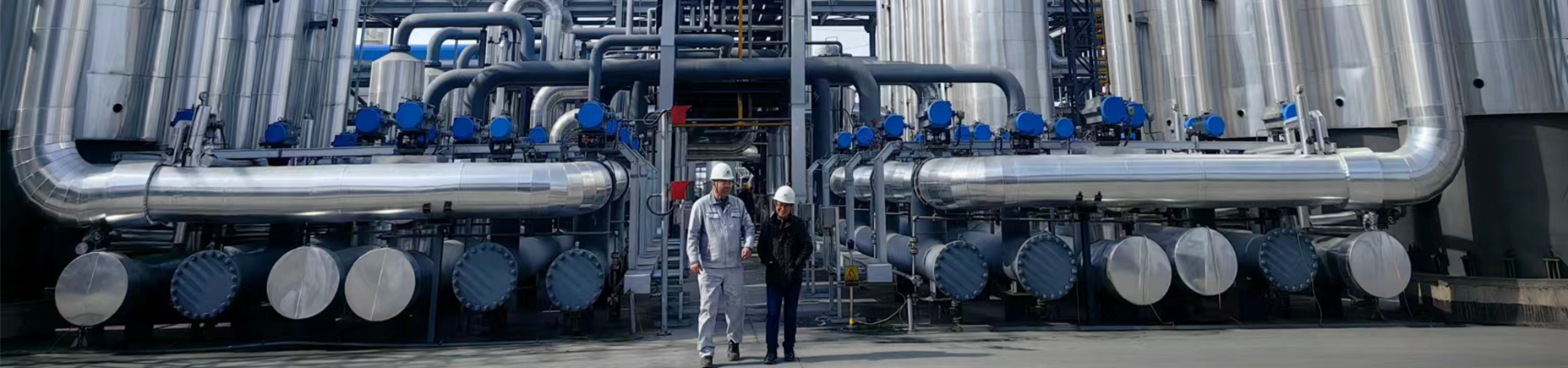
The implementation of any technology depends on the quality of design and system integration. Here it is important not just to sell the installation, but to design the entire gas purification system on a turnkey basis. There are many players in China, from small workshops to large institutions.
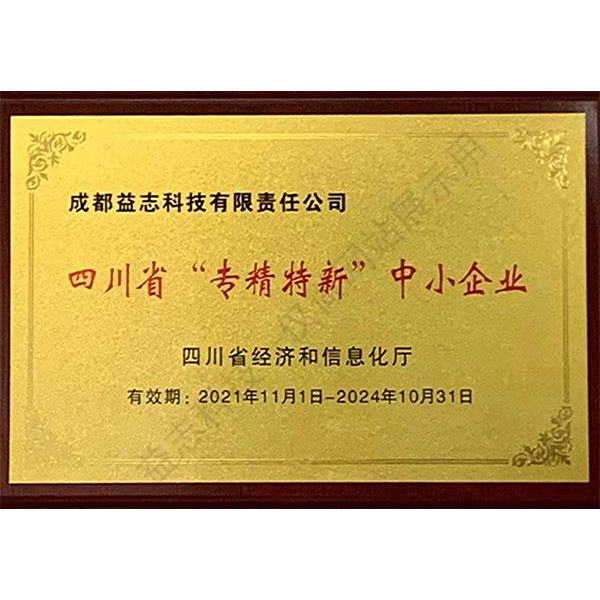
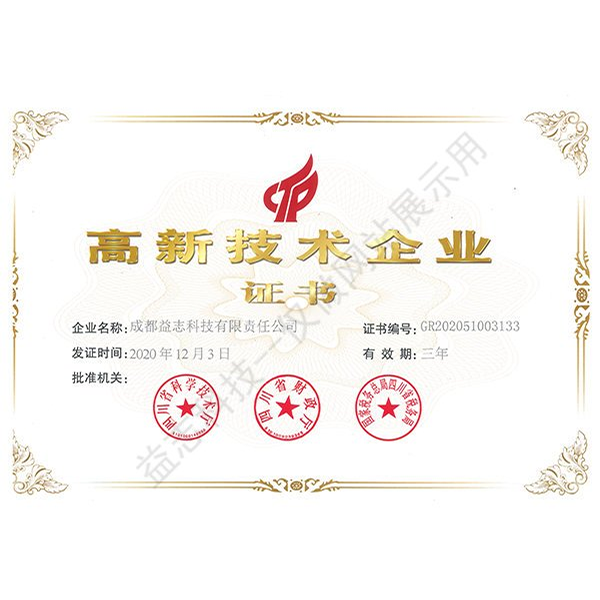
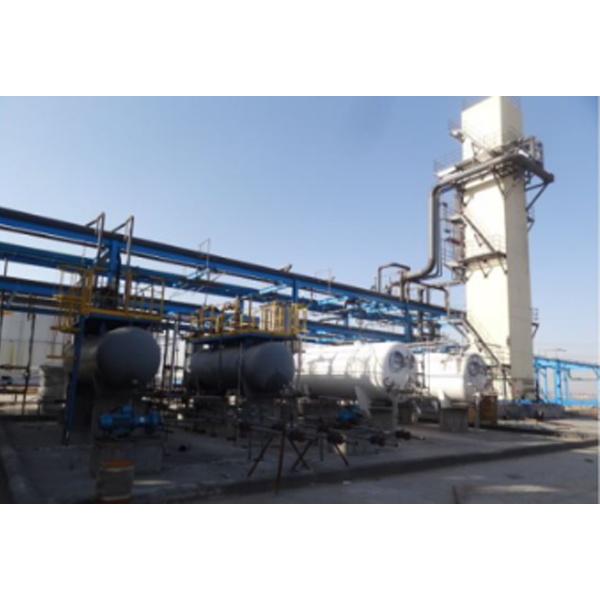
As an example we can takeChengdu Yizhi Technology Co.(their website isyzkjhx.ru). This is a design institute created on the basis of a chemical technology company. Their approach, judging by a number of implemented projects, is often based on an in-depth analysis of the source gas. They don't just offer a catalog of installations, but model the process, sometimes offering hybrid solutions. For example, for one adhesive plant, they combined condensation to capture the bulk of the solvent and subsequent post-treatment in a carbon adsorber with regeneration. This made it possible to meet the standards and return some of the expensive raw materials to the cycle.
The registered capital of 120 million yuan, like this company, indicates serious intentions and the ability to take on complex projects. But again, company size does not guarantee success in every case. What is important is practice and the willingness to solve non-standard problems, and not to churn out standard solutions.
Economy as a driving force and barrier
Ultimately, any ?new? Technology in China is being tested by economics. Government subsidies and fines set the direction, but the decision is made by the plant, considering operating and capital costs.
Technologies that recover valuable solvents (for example, acetone, toluene) pay for themselves faster and are therefore being implemented more actively, even if they require more complex equipment. Purely recycling methods such as RTO (regenerative thermal oxidizers) have to be promoted through arguments of stability, reliability and long life. Chinese RTO manufacturers have made great strides in reducing manufacturing costs, making such installations more affordable for medium-sized businesses.
Sometimes the most difficult thing is to convince the customer of the need for a high-quality automation and control system. Many people want to save on “brains”, leaving the system semi-manual. This almost always leads to wasted energy, decreased efficiency, and ultimately disillusionment with the technology. We have to explain that modernVOC recycling- this is, first of all, a stable and manageable process, and not just a set of pieces of hardware.
So, to summarize, ?new technologies? in China, these are often not breakthrough inventions, but smart, pragmatic and well-calculated adaptation and combination of known methods to specific, sometimes very harsh, conditions. And the main trend is a movement from simple destruction to extraction and recycling, where possible. It is in this direction that the main work is now going on.