China: food CO2 technologies?
2026-01-05
When you hear “food grade CO2 from China,” the first thing that comes to mind for many is cheap soda gas produced somewhere on the side lines of huge chemical plants. And there is some truth in this; ten years ago this was often the case. But today the picture is more complex, and if you dig, interesting and sometimes non-obvious details are revealed. We are no longer just talking about a commercial product, but about an entire technological chain - from raw materials and purification to logistics and specific market requirements. I'll try to sort it out based on what I've encountered.
Where the legs grow from: the raw material base and its pitfalls
The main source of food-grade carbon dioxide in China is, of course, associated gases from large-scale industries. Ammonia plants, petrochemicals, ethanol plants. It would seem that everything is simple: there is an almost pure flow of CO2, catch it and purify it. But here the first fork begins. Not all associated gas is equally useful. The key point is the raw materials and the main production technology. For example, CO2 from coal-to-ammonia synthesis is a classic in northern China. But it initially contains a different set of impurities, especially sulfur and complex hydrocarbons, compared to gas from steam reforming of natural gas. Primary cleaning at the supplying plant is the number one headache. If they are saving money or the equipment is outdated, then your treatment plant will wear out, constantly requiring replacement of adsorbents or catalysts.
The second important point is flow stability. You have entered into an agreement with a bioethanol production plant. Everything is fine as long as they have stable raw materials and a sales market. But as soon as ethanol prices fall or there are interruptions in the supply of grain (corn, most often), production stops. And your food-grade CO2 production plant is idle. This has happened more than once. Therefore, serious players are now striving either to have several sources of raw materials, or to work with giants, whose production is diversified and less subject to market fluctuations.
There are, of course, more “clean” ones. sources, for example, from natural wells, but this is rare and, as a rule, does not represent a significant share of the market. The main battle is for control of stable and high-quality flows from the large chemical industry.
Cleaning technology: not only GOST or Food Grade
The food CO2 standard is, at first glance, a universal thing. But in practice, the requirements of different end users can vary greatly. Some people make soda, some need gas for meat packaging (MAP), and some use it in cryogenic processes in the food industry. And if taste and the absence of residual odors (especially from compressor oils or sulfur compounds) are critical for soda, then stability of the composition and minimal oxygen content may be more important for packaging.
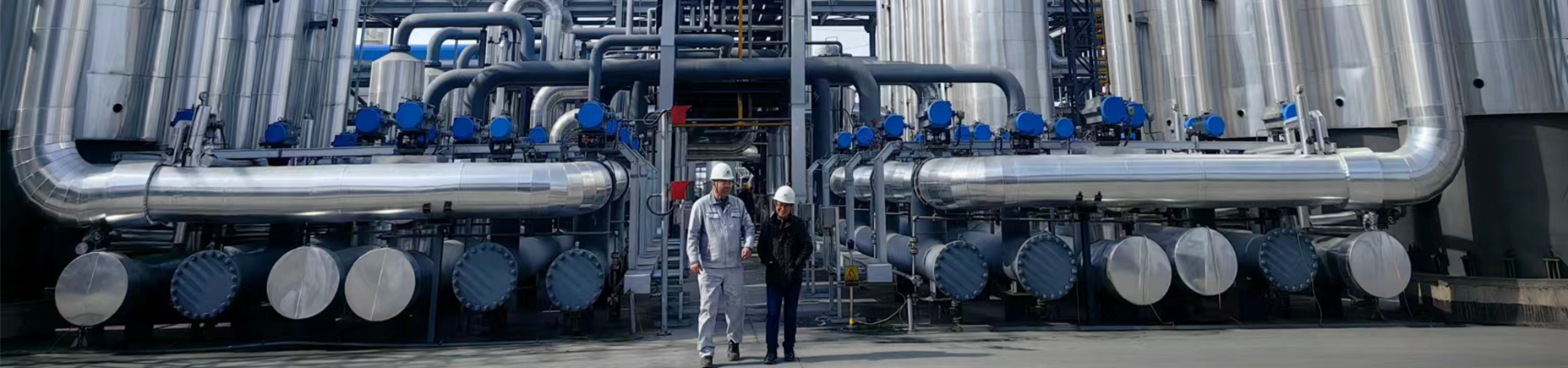
A typical Chinese food CO2 purification plant now is no longer just scrubbers and adsorbers. Low-temperature distillation (rectification) in combination with catalytic oxidation of residual hydrocarbons and multi-stage adsorption has become the de facto standard. But here’s the nuance: the efficiency of the catalytic reactor greatly depends on the preliminary drying of the gas. If the dew point is not brought to the proper level (say, below -60°C), then the catalyst is quickly poisoned, and the output is those same unpleasant light hydrocarbons, which are then felt in the finished product. I saw how at one of the old production facilities they tried to save on desiccants by using cheap silica gel instead of molecular sieves - as a result, a batch of gas for premium lemonade had to be converted to a technical grade, the losses were significant.
Another practical point is oxygen control. It can appear during storage in tanks or due to leaks in the liquefaction line. In China, many manufacturers are now switching to online analyzers not only for major impurities, but also for O2. This is already an indicator of the transition from “gas production?” to the “production of the ingredient?”.
Logistics and storage: where quality is lost
You can make an ideal gas at the outlet of the plant, and then spoil it on the way to the client. The main supply channels are cylinders, insulated tanks for liquid CO2 and, for large consumers, direct pipelines. With cylinders everything is more or less clear, the main thing is the correct preparation of the container. But with tanks it’s more interesting.
Liquid food grade CO2 requires maintaining strict pressure and temperature. If air leaks occur on the road or during pumping (for example, due to improper operation of the compressor when taking in residue), then oxygen and nitrogen enter the product. There was a story with one regional distributor who complained about unstable quality from the same plant. It turned out that the problem was not in production, but in their own pumping station, where the pump seal was worn out. We searched for the cause for several months, checking everything except our own equipment.
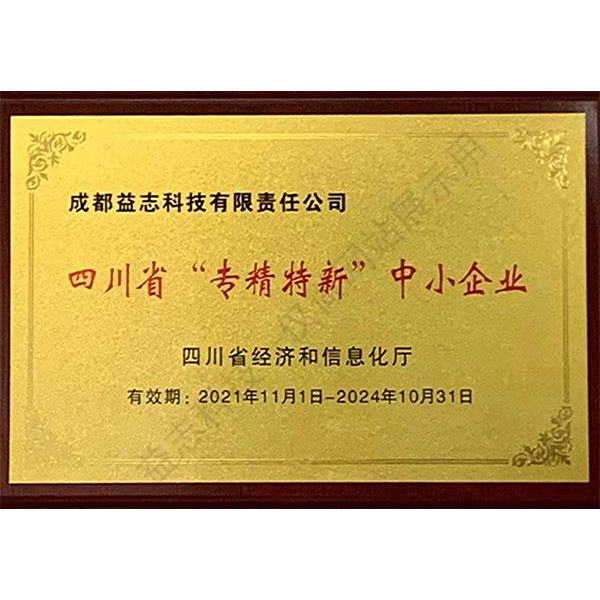
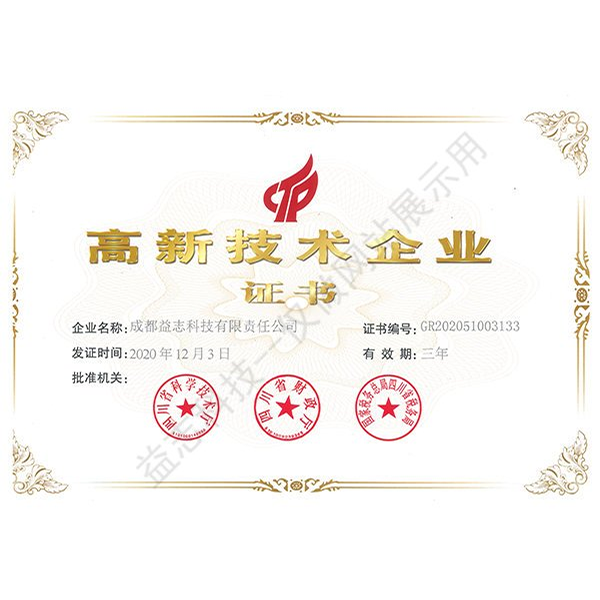
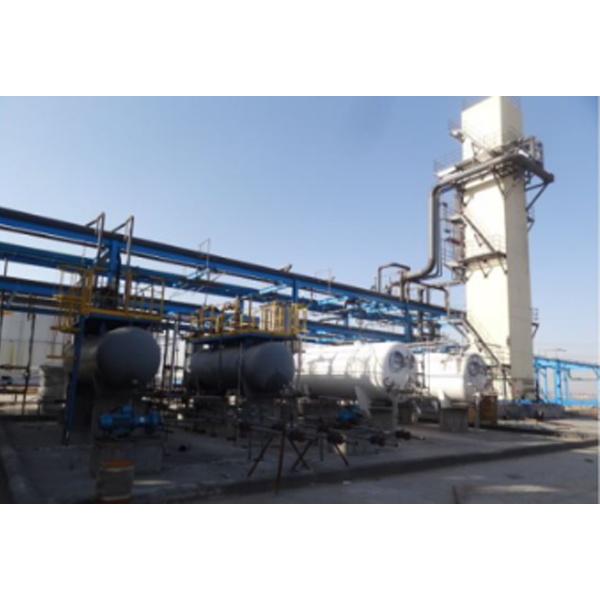
Now many large projects, especially those that are export-oriented or cooperation with foreign food giants in China, immediately establish a closed logistics chain: their production - their tanks - their storage on the territory of the customer or distributor. This reduces risks. By the way, design institutes that specialize in such complex solutions are becoming key players. Here, for example,Chengdu Yizhi Technology Co.- this is just such a case. They grew fromChengdu Huaxi Chemical Technology Co., and their strength is not in simply selling the installation, but in designing the entire turnkey system: from connection to the source of raw materials to the point of delivery of the product, taking into account all these logistics risks. Their websitehttps://www.yzkjhx.ruThis approach reflects well - it is not just a catalog of equipment, but a portfolio of completed projects, where systemic work is visible. The registered capital of 120 million yuan is also an indicator of serious intentions in this capital-intensive industry.
Sales markets and fine tuning
The Chinese food CO2 market is no longer monolithic. Conventionally, it can be divided into three echelons. The first is mass, cheap gas for local producers of soda, beer and for use in agriculture (for example, to create an atmosphere in greenhouses). The main thing here is price, and quality requirements are minimal, often on the verge of technical and food. The second echelon is supplies for joint ventures or large national brands (like Coca-Cola, Pepsi, local beer giants like Tsingtao). Here the requirements are strict, compliance with international corporate standards, production audits are mandatory. And the third, growing segment is highly purified CO2 for special applications: pharmaceuticals, electronics industry (where the highest purity is needed), laboratories. Here the volumes are smaller, but the margin is significantly higher.
It's interesting to see how manufacturers adapt. Those working for the first tier often have simple, easily scalable setups. And those who aim for the premium segment or for export (to Southeast Asia or the Middle East) invest in more complex technologies, for example, in real-time analysis systems and automatic control of the cleaning process. This is a question not only of chemistry, but also of the level of automation. I saw one such modern installation - the operator mainly monitors the screens, the system itself switches the adsorbers to regeneration mode when certain conditions are reached, and adjusts the distillation parameters. But the cost of such an installation is several times higher.
Mistakes and lessons: what is not written in brochures
In this area, a lot is learned from mistakes. One of the most common is underestimating the importance of initial data on raw materials. When you sign a contract for the supply of raw gas, you are provided with a passport with average values. But in practice, the composition “floats”, especially if the main production changes the brand of catalyst or raw materials. As a result, your catalytic purifier, designed for a certain range of hydrocarbon concentrations, simply cannot cope with peak loads. It is necessary to install additional buffer tanks or, more expensively, real-time monitoring systems directly at the entrance.
Another lesson is energy dependence. The liquefaction and low-temperature purification process is very energy intensive. A sharp rise in electricity tariffs can make production unprofitable. Some projects in industrial parks now immediately include the possibility of using waste heat from neighboring industries or even build their own small cogeneration plants. This is already a level of deep integration into the industrial cluster.
And finally, the “human factor”. You can buy the most modern European equipment, but if the staff perceives it as a complicated toy and at a critical moment they try to turn off the “interfering” ones. alarms, so as not to stop the line, the result will be sad. Training and creating a production culture is perhaps the most difficult part of implementing any, even the most advanced,food CO2 technologiesin China. Local engineers quickly grasp the technical part, but sometimes they lack that very “sense of the process” that comes only with years of operation and analysis of failures.
Looking ahead: trends instead of conclusions
Where is this all going? First, there is clear consolidation. Small artisanal installations running on outdated equipment will be forced out. Their product will not be able to compete in quality and stability with the products of large complexes like those that are designedChengdu Yizhi Technology. Secondly, the growing demand for ultra-pure varieties. The development of the food industry, especially in the segment of ready-made and semi-finished products in a protective atmosphere, will push the market in this direction.
Thirdly, “green?” trend. Already, some manufacturers are positioning CO2 captured from bioethanol production as a more environmentally friendly product. This can be an additional marketing advantage for certain markets. And fourthly, digitalization. Not just control of parameters, but predictive analytics: a system that, based on data on the composition of raw materials and operating mode, can predict the service life of the adsorbent or the need for catalyst maintenance. This is the next logical step.
So, when you now say “Chinese food-grade CO2?”, you need to immediately clarify what exactly you are talking about. About what is poured into cheap soda on the local market, or about a product that meets the most stringent international standards and is supplied through a closed chain. The difference between them is like between a handicraft workshop and a modern factory. And this difference becomes more and more obvious every year.