Is China an exporter of tail gas utilization technologies?
2026-03-04
This is a question that has come up frequently in recent years. Many people immediately imagine large-scale factories and ready-made “box” ones. solutions that China supposedly supplies around the world. But the reality, as usual, is more complex and messy. To be honest, the term “technology exporter” itself? a bit misleading in this area. This is not about selling licenses in beautiful packaging. This is about adaptation, often by trial and error, to a specific gas composition, to local “features”. operation and ever-changing environmental regulations. And here Chinese companies, especially those that grew out of design institutes, have accumulated specific, very down-to-earth experience.
From projects on paper to real “tails”
When we started ten years ago, many customers, and not only in the CIS, thought that they would buy an installation, deliver it, install it, and it would work. The main argument was the price. But the tail gas does not comply with GOST. Today the flow contains 50% methane, tomorrow - 70% nitrogen with an admixture of hydrogen sulfide, which has been “forgotten”? mention. And this is where the fun begins. Our first projects abroad stumbled over this “uncertainty”. A technology that worked perfectly at a Chinese field, in Kazakhstan or somewhere in Siberia could simply not reach its design parameters due to composition or pressure instability.
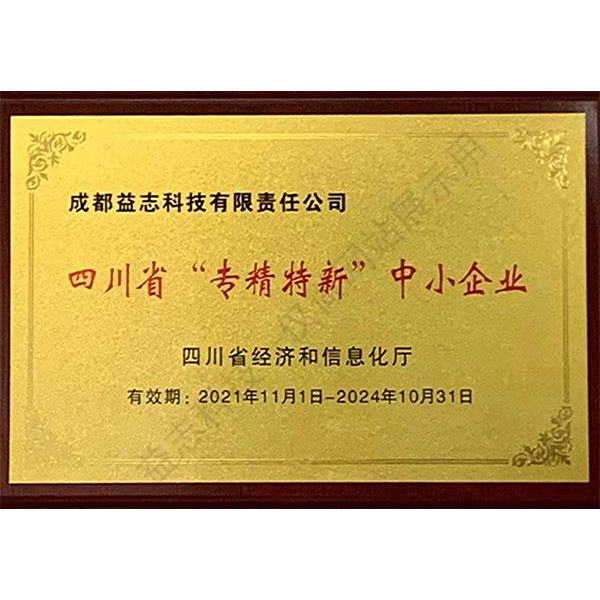
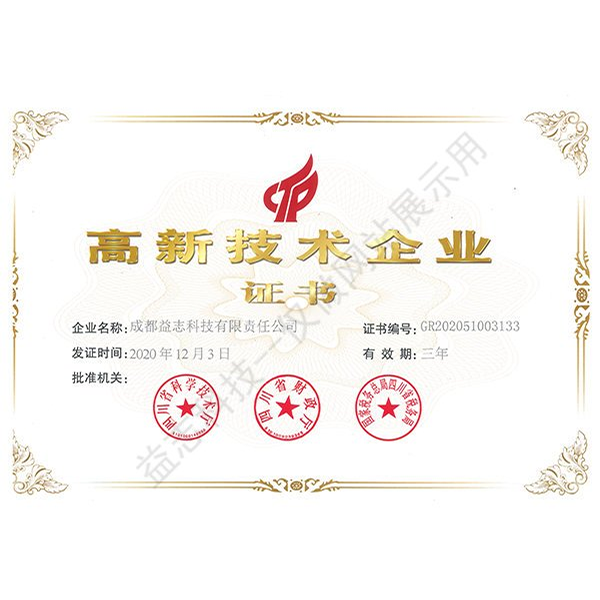
Therefore, now any serious conversation begins not with a catalog, but with a question: “Give me your latest chromatography data for the year, and tell us how you are doing with personnel training?” Without this, any proposal is a waste of time. For example, we are inChengdu Yizhi Technology Co.(this is a design institute created by Huaxi Technology), this is exactly the kind of rake they went through. The registered capital of 120 million yuan is not just a number, it also includes the ability to invest in long-term testing and adaptation. Not everyone is ready to wait six months while we “drive away” at the stand. real customer gas samples, simulating winter and summer conditions.
By the way, about the staff. You can install the most advanced light hydrocarbon recovery or catalytic oxidation plant, but if the operating staff perceives it as an annoying complication rather than part of the process, everything will go wrong. Often it is necessary not only to supply equipment, but actually to build the entire operational logic for working with tail gas for the customer. This is the very “technology” that we really export - an integrated approach, not just hardware.
Specifics of “non-standard” and the Chinese approach
In Europe or the USA, they often rely on high-precision, expensive equipment designed for stable parameters. The Chinese market hardened differently: here it was often necessary to solve a problem for gas with an unpredictable composition quickly and on a limited budget. This has developed a certain flexibility. We have learned to design systems with high tolerances, with the ability to fine-tune on site, and with redundancy of key components.
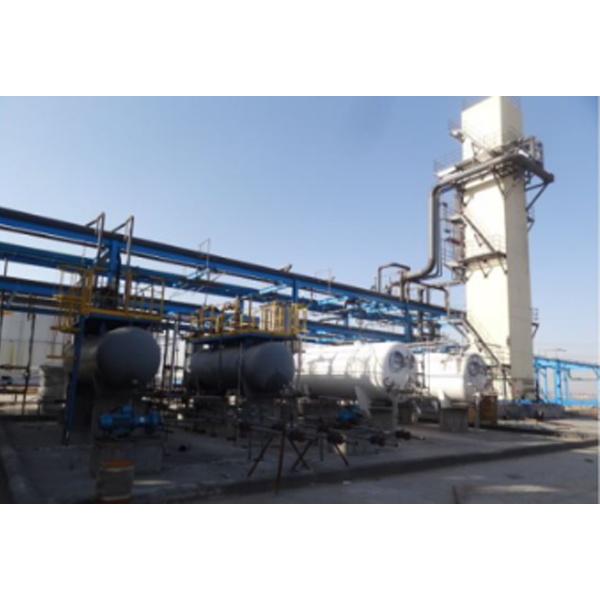
Let's take, for example, absorption-adsorption recycling technology. In theory, everything is simple. But in practice, when gas with a high content of heavy components and dust is supplied, standard adsorbents become clogged within a week. It is necessary to combine pre-cleaning stages, sometimes even “handicraft” ones. solutions, such as homemade scrubbers from scrap materials during the commissioning phase, to prove the viability of the process. This is not written about in the brochures, but it is part of the real experience.
It is precisely such developments that are now in demand in markets where conditions are far from ideal. Our websiteyzkjhx.ruis essentially a showcase, but the real work begins after the first email, when we request tons of initial data. Often the client does not even have them in this form, and then we suggest conducting a joint study. It's long, but it's honest.
Case: when theory diverges from practice
I would like to give one imperfect example. There was a project in Central Asia to utilize flare gas with associated electricity generation. Everything was calculated, modeled, and equipment installed. But they did not fully take into account the influence of frequent and sharp changes in air temperature on the efficiency of heat exchangers at night. During the day the system reached its parameters, at night it did not. We had to urgently, already on site, modify the piping scheme and the automation system so that it would respond more quickly to changes in coolant temperature. This increased the cost and time, but the installation works.
Such situations are the best anti-marketing for those who sell “magic pills”. They are also the best textbook for engineers. After that incident, we set up a separate scenario for all projects in a continental climate: “night/winter mode?” with a margin on the heat exchange surface. This knowledge is paid for with specific penalties and sleepless nights for the adjustment team.
That's why when they ask me abouttechnology export, I’m not thinking about patents, but about such databases of failures and emergency situations that have been accumulated over the years. You can’t copy them, you can’t buy them. They are in the minds of our leading engineers and in thousands of notes on the drawings.
Equipment vs. Process management
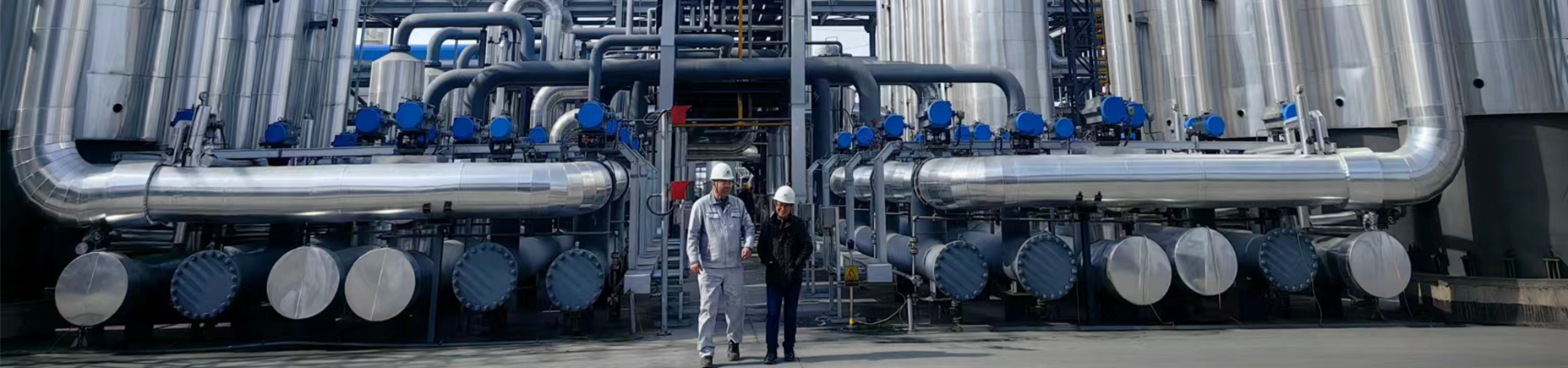
Another important point that is often missed. A modern recycling installation is not a mechanical unit, it is a complex technological complex with a bunch of sensors and a control system. And here China has made a big leap, but not so much in the quality of sensors (here the leaders are still the same), but in the integration of control systems and their adaptability.
We can supply an installation that will automatically adjust adsorption/desorption cycles to the current methane concentration, saving reagents and energy. But the key word is “maybe”. This requires high-quality telemetry and the client’s willingness to trust automation. Often we are faced with the fact that local specialists turn off “these smart things of yours?” and transfer the system to manual control using familiar, but non-optimal parameters. And again, you have to work not with hardware, but with people, conduct training, show in numbers how much money goes down the drain due to the manual mode.
This, perhaps, is the main “export product?” - not just a container with equipment, but a change in approach. We are not selling an installation, but a solution to improve efficiency and reduce emissions. And this solution is always customized.
Looking to the future: what's next?
Now the trend is shifting towards integrated solutions: not just recycling gas, but integrating it into the overall energy and economic scheme of the enterprise. For example, use purified methane not for banal steam production, but as a raw material for producing low-power liquefied gas (LNG) or for refueling your own vehicles. This requires interdisciplinary knowledge.
Chinese companies are actively developing in this direction, because the domestic market requires precisely such comprehensive solutions. Turnkey design experience - from gas analysis to commissioning and training - becomes a key competitive advantage in foreign markets. Institutions like oursChengdu Yizhi Technology Co., were originally created for such complex tasks.
So, back to the title question. Yes, China has become a significant player in tail gas utilization technologies. But its strength lies not in replicating the same solutions, but in flexibility, in the ability to work with complex, “substandard” solutions. cases, and a willingness to dive into the customer’s problems deeper than just the level of equipment sales. This is not a high-profile export of high technology in its pure form. This is the export of experience, often “burnt through” real problems on real objects. And this experience, with all its rough edges and reservations, turns out to be in great demand today.