China: methanol hydrogen for export?
2026-03-04
Methanol hydrogen. Everyone is talking about hydrogen now, but when it comes to transporting it, many are faced with logistics and safety issues. But there is a more pragmatic way - not to transport the hydrogen itself, but to transport its carrier. This is where methanol comes in. But is everything so simple with this “export”? It looks beautiful on paper, but in reality there are a lot of pitfalls that are not written about in glossy brochures.
The essence of the idea and its attractiveness
The concept is simple to the point of genius: you produce “green?” or ?blue? hydrogen, combine it with CO2 (for example, captured at industrial enterprises), you get methanol. Methanol is a liquid under normal conditions. It can be transported by conventional tankers, using existing port infrastructure. At the destination, carry out steam reforming and get that same hydrogen back. This sounds like an ideal solution for countries that do not have their own capacity to produce pure H2, but have a need for it.
This is especially interesting for China. The country has enormous chemical production capacity and is investing heavily in hydrogen as part of its energy transformation. Their methanol production has been established for decades. It would seem, take it and export it. But this is where the fun begins. Not all methanol is suitable. If you produce it from coal (and in China such capacities are huge), then the carbon footprint of the final product kills all the “green” ones. ideology. Therefore, the focus is on low-carbon methanol. But its cost is still... high.
For example, when we studied this issue for one of the projects in Asia, we were faced with the fact that potential buyers from Europe first asked not the price, but the certificate of origin of the raw materials. They needed a guaranteed ?green? methanol And this immediately cuts off the lion’s share of Chinese manufacturers who work on coal. Those who can offer the ?correct? product - only a few, and their capacity is planned for years in advance.
Technological and infrastructural nuances
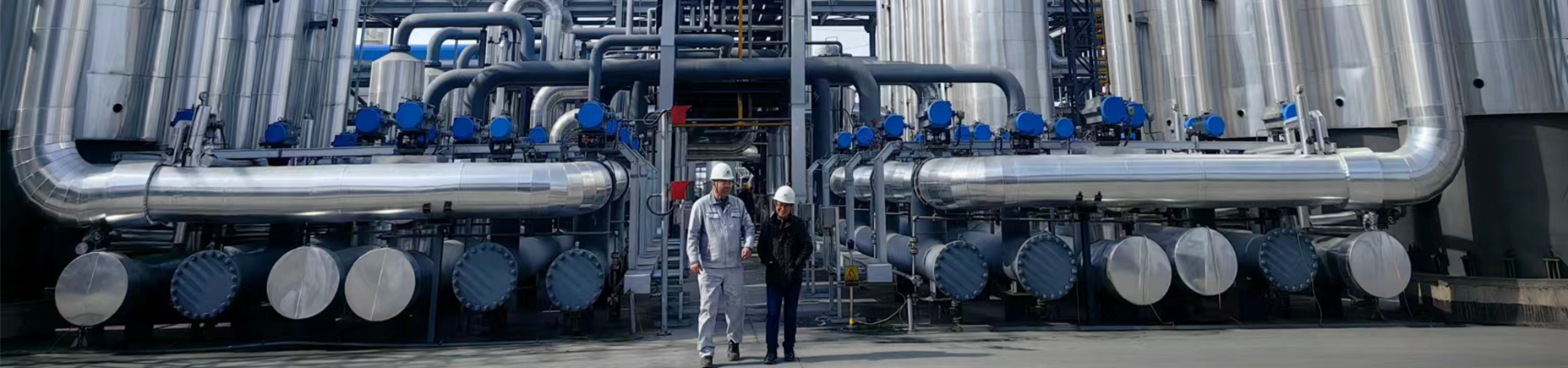
Let’s say we’ve sorted out the raw materials and certificates. The next barrier is reforming. A steam methanol reformer (SMR) is not a toy. This is a capital-intensive facility that requires qualified maintenance. Not every importing country is ready or capable of building and operating such installations. So, exportmethanol hydrogenimplies not just the sale of liquid, but a comprehensive solution: “methanol + technology + service?”. This is already the level of large engineering companies.
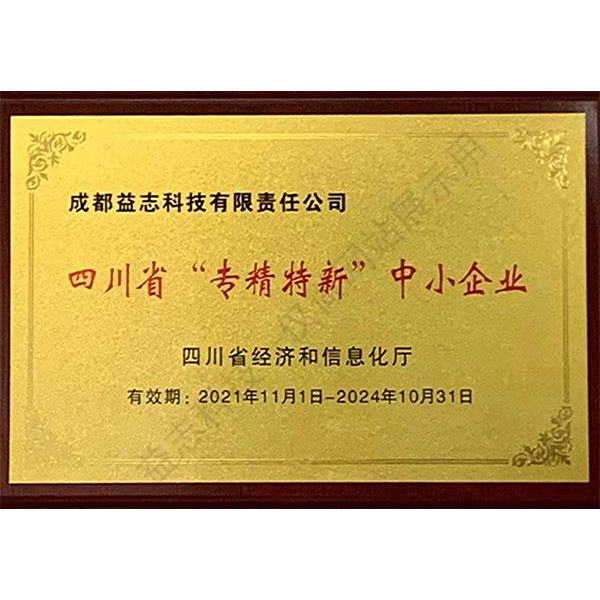
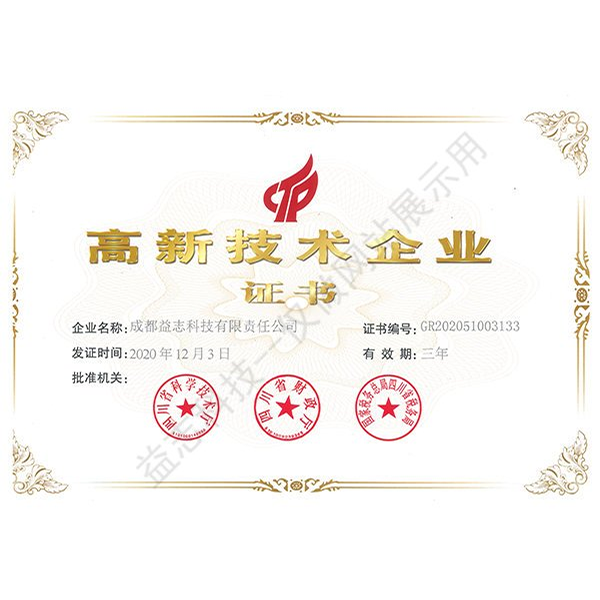
Here it is worth mentioning Chinese design institutes, which are geared towards this very thing. Let's take for exampleChengdu Yizhi Technology Co.(their website isyzkjhx.ru). This is not just a trading company, but a serious design institute created on the basis of Huaxi Technology. The registered capital of 120 million yuan speaks volumes. Such organizations do not just sell a product, they sell the full cycle: from designing a methanol production plant to supplying technology for converting it back into hydrogen. Their strength lies in the ability to package everything into a single “turnkey” package. project. For the buyer, this reduces risks, but also creates a strict tie to one technology supplier.
In practice, we saw how this scheme worked in a pilot project in Southeast Asia. The Chinese side supplied both methanol and a compact reforming unit. But a classic problem arose: local personnel were not prepared for the intricacies of tuning the catalyst. Downtime, loss of efficiency. I had to urgently ?import? Chinese engineers for constant technical supervision. It turned out that the export of technology is also the export of human capital, which is not always specified in the original contract.
Economics of the question: where is the catch?
Let's count. ?Green? Hydrogen itself is expensive to produce. We add the process of methanol synthesis - energy losses, capital costs for synthesis. Then - logistics (tanker charter). On-site costs for reforming (another energy loss of 20-30%). As a result, the cost of hydrogen?at the exit? from a reformer can be many times higher than the cost of hydrogen produced locally from natural gas (if available), even taking into account the carbon tax.
Therefore todaymethanol exportas a carrier of hydrogen, it is economically justified only in very specific niches. For example, for remote island territories where there is no gas infrastructure of their own, but there is a need for clean energy. Or for refueling special equipment with hydrogen at isolated sites. Massive exports for the energy sector of megacities are still a story about the distant future and depend on two things: a sharp decline in the cost of “green” energy. electricity (to produce H2) and the introduction of strict global carbon levies.
Chinese players understand this very well. Their current strategy, in my opinion, is not about immediate mass trade, but about developing technologies and creating precedents. They build demonstration projects around the world, often with government support. The goal is not immediate profit, but to position itself as a future standards leader and solution provider for the hydrogen economy when it actually arrives.
Real cases and lessons
I had a conversation with a technologist who participated in a project for the supply of methanol from China to one of the ports of Northern Europe. The story is instructive. They prepared a batch of ?green? methanol, calculated everything, but faced an unexpected problem - fuel standards. In the port where the delivery was going, there were strict specifications for methanol as a marine fuel (methanol is also beginning to be used in shipping). Their product, ideal for reforming, did not 100% meet these fuel parameters in terms of the content of individual impurities. I had to urgently improve the cleaning. Conclusion: the chain creates dependencies not only in technologies, but also in quality standards, which may differ for the same substance depending on its end use.
Another aspect is political. Hydrogen and its carriers are strategic goods. The export of such technologies from China may be subject to various export restrictions or, conversely, become a tool of “soft power”. Obtaining permits and complying with sanctions regimes (if we are talking about supplies to third countries) is a whole layer of work that falls on the shoulders of companies likeChengdu Yizhi Technology Co.. Their status as a large design institute with solid capital is an advantage here, as it inspires confidence in both regulators and partners.
Looking to the Future: Beyond Hydrogen
Talking aboutmethanol for export, we cannot focus only on the hydrogen topic. Methanol itself is a valuable chemical raw material. And here China has a huge room for maneuver. They can offer the world not just a “hydrogen carrier,” but finished raw materials for the production of olefins, aromatics, and other high-margin products. This may even be a faster and more profitable route to export.
In fact, by creating capacity for the production of low-carbon methanol, China is killing two birds with one stone: it is preparing the infrastructure for future hydrogen exports and is already obtaining an environmentally more acceptable product for its own chemical industry and for export. It's a smart move. It reduces risks. If the global transition to hydrogen slows down, methanol will still find a market.
That is why the activities of companies like Chengdu Yizhi Technology should be considered more broadly. Their website shows that they are working on complex chemical solutions. Their expertise in methanol synthesis and utilization is a key asset. They most likely see themselves not as future “hydrogen dealers,” but as providers of technology solutions for a circular carbon economy, where methanol is one of the central elements.
So, back to the original question. Yes, China will export methanol as a hydrogen carrier. But not tomorrow and not on a scale that will replace pipeline gas. First - targeted demo projects, testing logistics and technological chains, lobbying for the necessary standards. And in parallel, there is a powerful export of methanol itself as a chemical and, what is critically important, the export of technologies for its production and use. This is their real strategy. And we, observing from the outside, should look not at loud headlines, but at specific contracts for the construction of factories and the supply of turnkey technologies. This is where the real picture lies.