China: CO2 removal efficiency by adsorption?
2026-01-07
When you hear this question, the first thing that comes to mind is installations with zeolites or activated carbon, and the feeling that the technology is as old as the hills. Many still believe that efficiency is just a number from the sorbent data sheet, 90% or 99%. But in reality, especially in the Chinese realities of the last decade, everything depends on how this very adsorption is built into a specific technological cycle, under what pressures, temperatures and, most importantly, under what economy. Efficiency without ROI is just an academic exercise.
From laboratory column to industrial reactor: where efficiency is lost
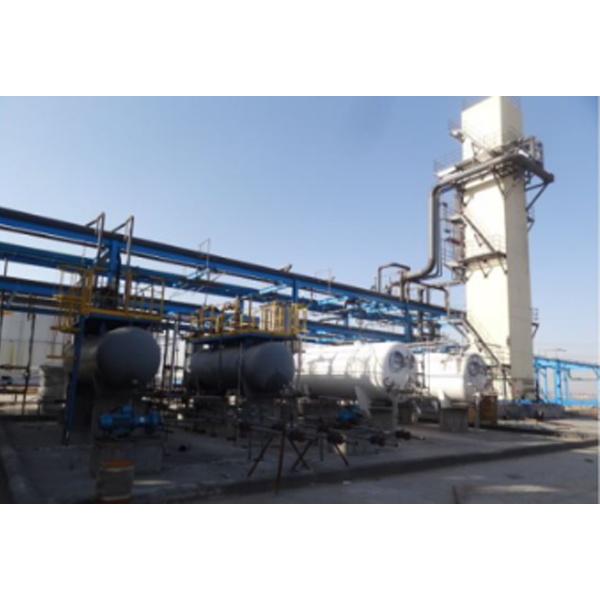
I'll start with the classic breakup. In the laboratory, in an installation like Chengdu Yizhi Technology Co., excellent adsorption curves for a specific gas mixture can be obtained. The sorbent takes 200 mg of CO2 per gram. Everyone is happy. Then this sorbent is poured into an industrial adsorber at some plant for the production of hydrogen from natural gas. And here it begins: a pressure difference that was not taken into account, micro-dust from raw materials that clogs pores, humidity that competes with CO2 for active centers. Laboratory efficiency drops by 15-20% at best. It's not a flaw in the technology, it's the cost of scaling.
We had a project related to biogas purification. The customer wanted to obtain pure methane by removing CO2. They took what seemed to be a proven zeolite. But in the biogas, in addition to CO2, there was hydrogen sulfide, albeit in trace quantities. It irreversibly poisoned the sorbent in three months instead of the estimated year and a half. CO2 removal efficiency has dropped to almost zero. We had to build in a preliminary stage of purification from H2S on the fly, which increased the cost of CAPEX. So much for simple adsorption.
Therefore, now competent engineering companies, such as Chengdu Yizhi Technology Co., Ltd., do not simply sell a sorbent or a standard installation. They sell a technological chain where the adsorber is only one link. Pre-drying, fine filtration, and precise temperature control at the regeneration stage are important. Without this, talk about efficiency is unfounded. Websiteyzkjhx.rureflects this approach well - it is clear that the work goes from raw material analysis to commissioning.
The circular economy: regeneration as a key factor
Actually, the main question is not “how much will he take?”, but “how will he give it back?” Energy consumption for desorption is where all the profit from the process is eaten up. Vacuum regeneration, temperature, purging with inert gas - each method has its own price. In China, where energy costs are a critical parameter, hybrid solutions are often used.
I have seen installations at coke plants where low-grade heat from other areas is used to regenerate the adsorbent. The energy efficiency is high, but the regeneration process itself is slower, the cycle is lengthened, and large sorbent capacities are needed. It's a compromise. Sometimes it is more profitable to have smaller devices, but heat them with electricity if you have access to a cheap night tariff. There is no universal recipe.
A failed case from memory: they tried to implement a system with rapid thermal regeneration (up to 300°C) at a small metallurgical plant. The sorbent, of course, gave off CO2 perfectly. But after 500 cycles, sintering began and loss of porosity began. The mechanics failed - frequent thermal shocks destroyed the granules, and dust appeared, which was carried away by the flow. Efficiency dropped, and the cost of replacing the sorbent ate up all the savings. Conclusion: sometimes gentle, but less “effective” In terms of speed, the method is more profitable in the long run.
New generation sorbents: MOFs and more
There is a lot of buzz around metal-organic frameworks (MOFs) these days. Yes, their specific capacity is amazing. But in industry, I have so far seen only a few of them, and only in pilot installations. Why? Price. And fragility. Their effectiveness under ideal conditions is not disputed, but the slightest presence of organic vapors or high regeneration temperatures can irreversibly change the structure.
The more real story is modified activated carbons and zeolites with impregnated amines. This is a workhorse. For example, they are often used to capture CO2 from the flue gases of thermal power plants (post-combust). Efficiency per cycle may be lower than MOF, but the sorbent lasts longer, can be regenerated using harsh methods, and is forgiving of some variations in gas composition. Onyzkjhx.ruIn project descriptions you often see just such solutions - reliable, predictable, with a calculated payback period.
An interesting trend is hybrid systems: adsorption + membranes. First, rough cleaning using a cheap sorbent, then finishing on a membrane. Or vice versa. This allows you to optimize capital costs. The efficiency of the entire system in removing CO2 is higher than that of each method individually, because each operates in its optimal range of concentrations and pressures.
Context of ?double carbon? China exchange rate
Since 2020, with the announcement of carbon neutrality goals, everything has changed. CO2 removal efficiency is no longer a purely technical and economic category. Political and reputational weight was added to it. For many businesses, installing a capture system is now a matter of survival and maintaining quotas.
This also gave rise to some haste, and therefore errors. I have seen projects where adsorption units were purchased “from a neighbor”, without a detailed analysis of the gas flow. As a result, they either did not meet the passport parameters, or their operation was ruinous. Efficiency was on paper, but not in reality. Now it seems that this stage is passing. Customers have become more literate and require detailed feasibility studies and pilot tests on their raw materials.
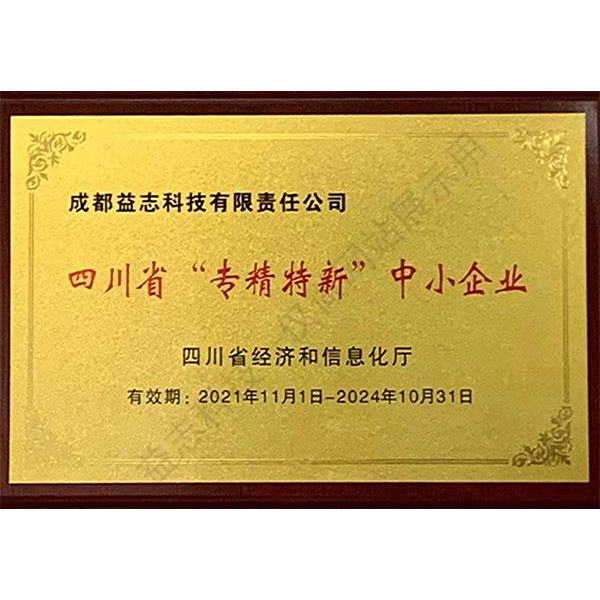
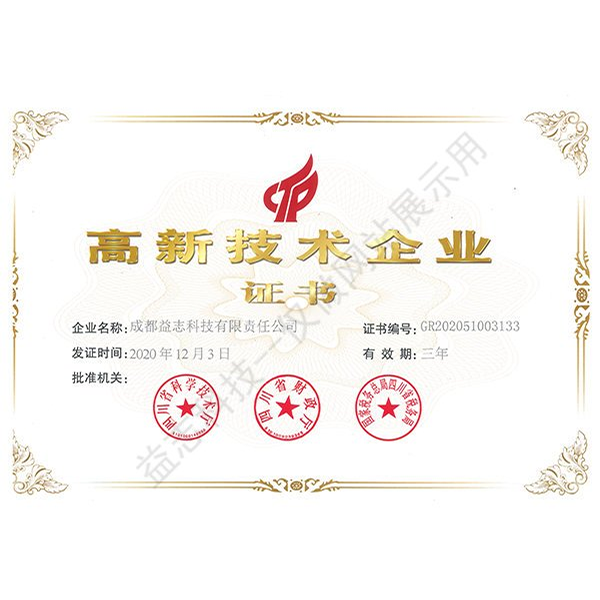
The role of institutions such as Chengdu Yizhi Technology Co. (this is a design institute established by Huaxi Technology) has grown here. Their capital of 120 million yuan is not just a number, it is an opportunity to conduct serious R&D and offer not a template, but an individual calculation. In conditions of strict regulation, we need not just equipment sellers, but technology partners who will share risks at the launch stage.
Conclusions from practice: what to look for when assessing
So, to sum it up in a nutshell. When asking about the efficiency of CO2 removal by adsorption in China, you need to immediately clarify: what is the efficiency? In terms of purification? In the specific capacity of the sorbent? In energy costs per ton of CO2 captured? Or in the overall economics of the project over 5 years?
In my experience, there are three key parameters: 1) Stability of the sorbent capacity over at least 1000 cycles under real, not ideal, conditions. 2) Regeneration cost (often 60-70% of operating costs). 3) Integration into the existing process flow without seriously disrupting it.
Nice lab graphs are just the start of the conversation. True efficiency is born in the field, on the site, among pipes, valves and sensor readings. And often it turns out to be lower than expected, but at least achievable and, more importantly, sustainable. This is exactly what the bet is now being placed on in smart projects throughout China. Adsorption technology is not a panacea, but in the right hands and with the right calculations, it is an extremely powerful and flexible tool.