Key LNG exporters from China?
2026-02-06
When they talk about Chinese LNG, many immediately look at giants like CNPC or Sinopec. But the real picture of exports, especially in recent years, is much more interesting and does not fit into this simple scheme. There are regional players and projects that started with great ambitions, but ran into problems with logistics or contracts. I’ll try to sort it out based on what I saw on the market.
Key players: not just the big three
Of courseCNOOC, SinopecandCNPCremain pillars. They have terminals, long-term contracts with Qatar and Australia, they form the bulk of the volume. But a key point that is often missed is that their export activities are heavily dependent on re-exports or short-term and spot contracts in the Asia-Pacific region. For example, the same CNOOC actively uses the capacity of the terminal in Shenzhen for flexible operations.
However, if you dig deeper, other names appear. TakeJOVO Energyis a private company that was one of the first in China to receive a license to import LNG. They're not that big, but they're incredibly flexible. Their operating model is often spot market transactions, chartering small tankers for shipments to Southeast Asia. This is a different level of risk and a different approach to business.
OrENN Energy— are better known as distributors, but they have built their own receiving terminal in Zhoushan. Their strategy is to provide their own supply chain, and they have already tried to export small quantities to Japan when the price environment was favorable. This is not a systematic export, but such operations show the growing ambitions and capabilities of the second tier.
The role of independent terminals and regional projects
This is where the story gets even more detailed. The development of a network of small and medium-sized LNG plants (liquefaction plants) within China, especially in gas-abundant regions such as Shaanxi or Xinjiang, has created a new class of potential exporters. These plants are often owned not by energy giants, but by industrial holdings or even local governments.
Their products mainly go to the domestic market to fuel trucks. But I have personally encountered situations where, due to local oversupply or pipeline problems, they were considering exporting. The problem is always the same - access to the export terminal. Without their own port hub, they have to negotiate with large players, which eats up all the margins.
There was a specific case with one plant in Northern China: they wanted to send a test batch to Korea. It all came down not to the license, but to logistics to the port of Tianjin and the window for transshipment. The project was eventually frozen because the calculations for the timing and cost did not agree. This is a typical story for such attempts.
Logistics as the main obstacle
You can have LNG, but without a tanker and a slot in the port - it’s just a product in a warehouse. China's export fleet of LNG tankers is growing, but it is still a priority for large state-owned companies for import operations. For an independent player, freight is a huge expense and headache.
While working on one project, we considered the option of chartering a medium-class vessel (type 45-50 thousand cubic meters). Prices on the spot freight market during peak seasons made the entire operation unprofitable. I had to look for a partner among the big ones to join their flight, which, in essence, meant giving up control over the schedule and part of the profit.
Another nuance is technical standards. The requirements for gas quality, documentation, and monitoring systems in different recipient countries (for example, Japan or Korea) are very strict. Not every Chinese manufacturer, especially from small installations, is ready to provide a complete and unchanged package of documents from the well to the tanker. This is not a question of volume, but a question of streamlined processes that major players have devoted decades to.
Niche opportunities and technological solutions
Despite the barriers, there are niches. One of them is supplies to neighboring landlocked countries or isolated markets. For example, supplies of cryogenic containers by land to the countries of Central Asia. This is not a massive export, but a stable business for border producers.
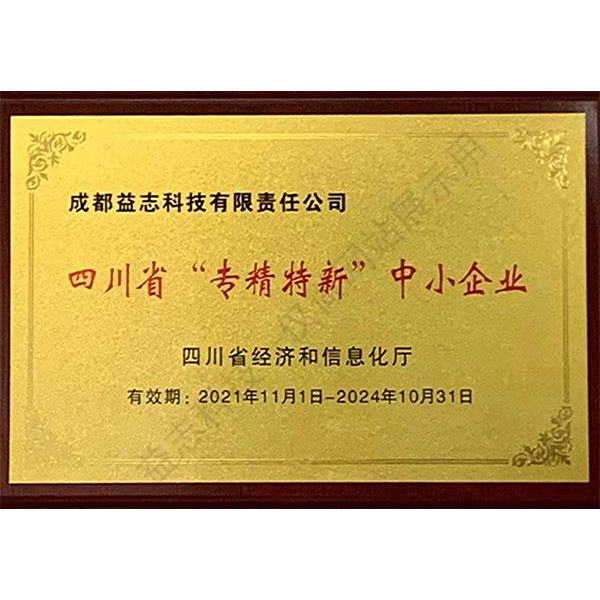
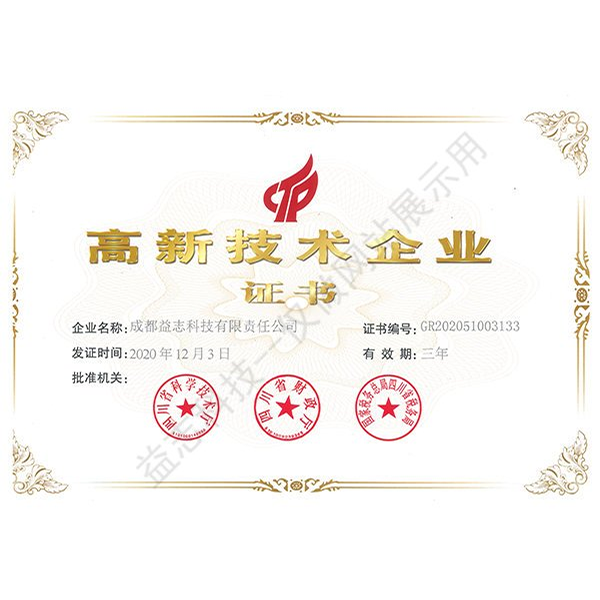
It is interesting to look at the role of engineering companies that provide the technological side of such projects. They often become the connecting link. Here, for example,Chengdu Yizhi Technology Co. (https://www.yzkjhx.ru). It is a design institute established by Chengdu Huaxi Chemical Technology Co., Ltd. in 2013. They are not gas exporters, but their specialization is design and technology for the chemical and gas industries. The registered capital of 120 million yuan indicates serious intentions.
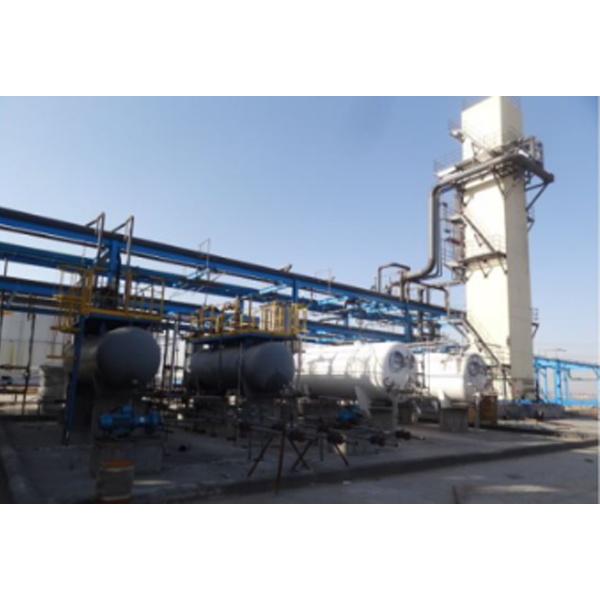
Such companies are critical for the development of small LNG projects that could potentially be exported. They design liquefaction plants, storage and filling systems. It depends on their decisions whether the manufacturer can, in principle, reach a level of stability and quality of the product that will allow it to be considered on foreign markets. Without a reliable technology partner, these ambitions will remain on paper.
A look into the future: what could change the picture
There is a lot of talk now about green hydrogen LNG or biomethane. For China, these are still more theoretical conversations, but they are already influencing investments in new capacities. If there is a standard and demand for carbon-neutral LNG in Japan, for example, Chinese producers who can prove it will have an advantage.
The second point is politics. If the state decides to more actively stimulate gas exports (and not just imports for energy security), for example, through simplification of licensing for certain types of projects or support for logistics infrastructure, the player map may change significantly. Those same regional energy companies may become more active.
For nowKey LNG exporters from Chinaare still large state-owned corporations that use exports as a tool to balance their portfolios and operate on the international market. But activity is already bubbling under the surface: private companies are looking for windows of opportunity, technology firms like the aforementioned Chengdu Yizhi Technology Co. they create an infrastructural basis for this, and logistical problems are gradually, albeit slowly, being resolved. So the list of exporters in the next five to ten years will probably be replenished with new names that are not obvious today.