Cheap mycotoxin adsorbents: technologies and trends?
2026-03-26
When you hear “cheap adsorbents?”, the first thing that comes to mind is clay, coal, something simple. And immediately the thought: is it effective? This is where the main catch lies. Cheapness is not about low-quality raw materials, but rather about optimizing the chain: from the choice of source material and activation technology to logistics and volumes. Many people still confuse low price with low efficiency, but in fact, a properly modified natural mineral can show selectivity at the level of expensive synthetic polymers, especially against polar mycotoxins like zearalenone. Although with aflatoxin, of course, it’s a different story - it’s often impossible to do without specific surface modifications.
From ?cheap? to “effectively-cheaply”: evolution of the approach
Previously, under ?cheap? The option was simply ground and sifted bentonite. I put it in the food and it was fine. The results were unpredictable: in some places it worked, but in others it didn’t, especially with mixed contaminations. Now the trend has shifted towards targeted modification. Not just an adsorbent, but a “smart” one. carrier. For example, the same bentonite or diatomite is treated with organic cations (like choline) - this increases the interlayer space and improves the binding of large molecules such as vomitoxin. This is no longer a raw material, but a technological product, but due to the mass production of the original mineral, its cost remains within reasonable limits.
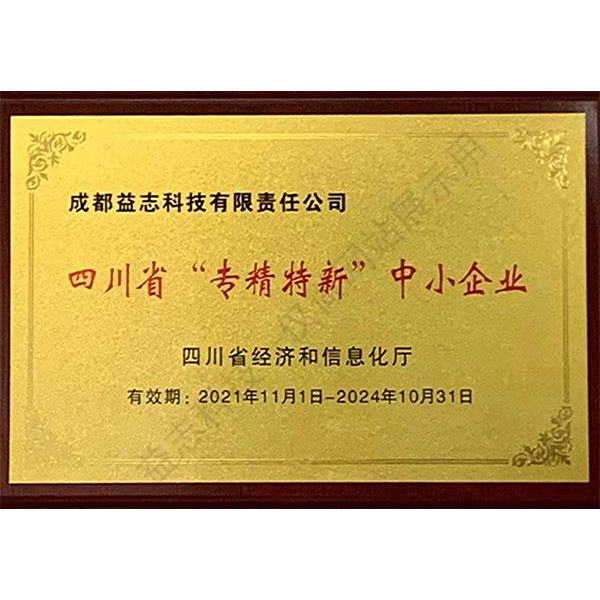
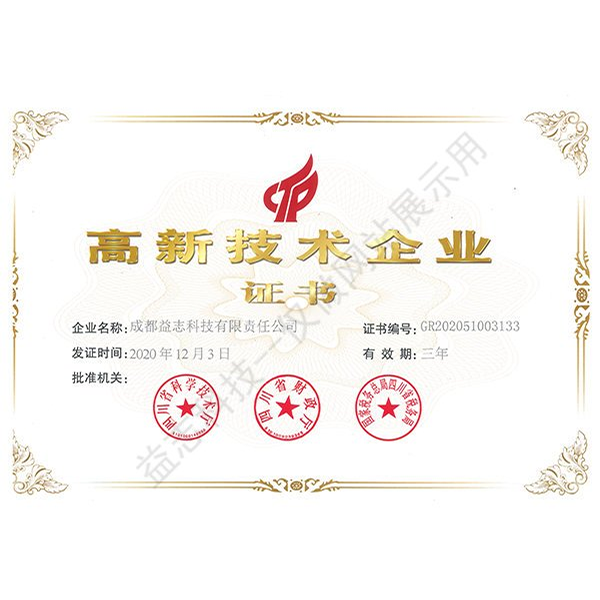
Here it is worth remembering the experience of Chinese manufacturers, who have made great progress in this direction. They have learned to balance well between price and functionality. Take, for example,Chengdu Yizhi Technology Co.— their approach reflects this trend. The company positions itself as a design institute created on the basis of chemical technologies, and you can feel it. They work not just with clays, but with composite materials, where specific functional groups are added to the mineral base. You go to their websiteyzkjhx.ru- and you see that the emphasis is on R&D, on developing solutions for specific tasks, and not on selling bags of powder. This is an important shift in philosophy.
But there is a nuance here too. Often such companies offer ?universal? solutions. But in practice, especially in pig or poultry farming, the conditions in the feed are different, the pH in the gastrointestinal tract is different. What binds well in the laboratory at pH 3 can “release” toxin at pH 6.5 in the intestines. Therefore, the cheapest adsorbent at first glance may turn out to be expensive due to loss of efficiency. It is necessary to test in vitro and in vivo, which in itself adds costs. It turns out to be a paradox: you are looking for a cheap option, but invest in testing.
Technologies that really reduce costs
Marketing aside, there are several key technologies that influence the price. The first is, of course, the preparation of raw materials. Unrefined kaolin or montmorillonite is one thing, but material after fractionation, washing from heavy metals and sand is another. Cleaning increases the cost, but also increases the active surface. Some manufacturers take the path of using waste from other industries, for example, rice husks or nut shells after carbonization. This can be very budget-friendly, but here the issue of batch stability and quality control arises - properties can “dance” from batch to batch.
The second point is activation. Thermal, acidic, organic. Acid activation of clays is a classic; it increases porosity, but requires subsequent neutralization and disposal of the acid, which adds a pretty penny. Nowadays there is more talk about mechanochemical activation - joint grinding with reagents in ball mills. They say it is energy efficient and allows for spot modification of the surface. It sounds great on paper, but I have not yet seen a stable supply of such a product on an industrial scale. Apparently there are difficulties with scaling.
And the third thing is formulation. Powder, granules, liquid. The cheapest option is fine powder. But when added to mixed feed, it creates dust, up to 10-15% of the product is lost, and it’s not good for workers to breathe in it. Granulating or producing dense carrier granules increases the final price, but reduces losses and improves miscibility. Sometimes it's worth it. Liquid forms based on humic acid esters are a different story. They are effective against some toxins, but their cost and stability in premixes is a big question.
Practical pitfalls and pitfalls
When introducing any, even the most budget-friendly adsorbent, we must not forget about the feed matrix. High fat or oil content can “smear” active centers of the adsorbent, sharply reducing its capacity. There was a case at one poultry farm: they took an inexpensive modified zeolite, and in laboratory tests the results were excellent. But in practice, the effect is barely noticeable. They began to look into it - it turned out that the recipe used a high level of vegetable oil to increase the calorie content. The adsorbent, figuratively speaking, “has eaten?” oils before encountering mycotoxins.
Another common problem is interactions with vitamins and medications. Cheap adsorbents with a non-selective but high total surface area (like some activated carbons) can bind not only toxins, but also, say, coccidiostats or B vitamins. You save on the adsorbent, but lose on the effectiveness of other expensive additives or risk the health of the livestock. Therefore, not just certificates of analysis are now increasingly required, but compatibility studies (binding studies) with specific active substances in feed.
And, of course, logistics. It would seem like a small thing. But if you buy a cheap product from a manufacturer far away, the cost of delivery can be equal to or even exceed the cost of the product itself. Local producers, even with a slightly higher price per kilogram, often turn out to be more profitable in the final calculation. That is why the presence of regional offices or warehouses, like the sameChengdu Yizhi Technology Co., becomes a serious competitive advantage. Their websiteyzkjhx.ruclearly focused on the Russian-speaking market, which indicates a well-thought-out logistics strategy.
Trends: where is the market for low-cost solutions heading?
It is obvious that the future lies with hybrid and composite materials. Not just clay, but clay + carbon nanostructures or clay + polymer resins. The goal is to achieve selectivity while keeping the cost of the base media low. Work is moving towards creating adsorbents with “gates”. - surface modifications that open only upon contact with a certain type of toxin molecule. For now these are expensive laboratory samples, but Chinese and Indian researchers are actively publishing work in this area, so perhaps in 5-7 years this will become a commercial reality.
Another trend is probiotic adsorbents or adsorbents with the addition of enzymes that destroy mycotoxins (for example, epoxidases). Such enzymes themselves are unstable and expensive. But immobilizing them on a cheap, porous support can increase their lifespan and reduce processing costs. So far these are more likely pilot projects, but the direction is promising. This is no longer just binding, but detoxification.
Finally, a huge trend is digitalization and big data. Collection of information about the contamination of raw materials in different regions, forecasting outbreaks. This allows you to use adsorbents not constantly “just in case?”, but selectively, during dangerous periods or for specific problem batches of feed. This proactive, targeted approach dramatically reduces the overall consumption of adsorbent, making it economically feasible to use more effective, and not necessarily the cheapest, products. In this context, the value is not just a product in a bag, but a comprehensive solution that includes analytics and recommendations. And this is where the role of technology development companies, and not just sellers, is important.
Bottom line: what's the bottom line?
The race for the lowest price per kilogram is a dead end. It leads to inefficiency, hidden losses and risks. Real ?cheapness? mycotoxin adsorbent - this is the optimal ratio of price/efficiency/safety? for a specific production task. Sometimes it is more profitable to buy a more expensive, but selective product that will not bind vitamins, and use it in a smaller dose.
The key word now is “manufacturability”. Even when working with cheap natural raw materials, it can and should be modified in order to obtain a predictable and stable result. The experience of such players asChengdu Yizhi Technology Co., with their emphasis on research and development (as seen in their online presence onyzkjhx.ru), confirms this trend. They are not selling a powder, but a solution based on surface chemistry and an understanding of animal physiology.
Therefore, when choosing an adsorbent, you should look not only at the price list. What is important is technical support, the availability of compatibility data, the ability to adapt the product to your recipe and, most importantly, the reputation of the supplier in the market. The cheapest option may end up being the most expensive if it causes you to lose herd productivity or experience drug resistance. Ultimately, saving must be smart.