Chinese exporters of CO2 technologies?
2026-01-06
When you hear this question, the first thing that comes to mind is solar panels and wind turbines. Everyone's talking about ?green? energy, but few people understand in detail what is hidden behind such a broad term as “CO2 technology”. The market often lumps together carbon capture, utilization and storage (CCUS), enhanced oil recovery (EOR) technologies with CO2 injection, and even just energy efficiency equipment. Many customers, especially from the CIS countries, come with a request for “CO2 technology”, and in the end it turns out that they need a dry ice production plant or a flue gas purification system from a specific plant. The confusion is colossal. And this is where the real work begins - not to sell an abstraction, but to figure out which solution from China can work in specific, often far from ideal, conditions.
What are they actually selling? Not only equipment
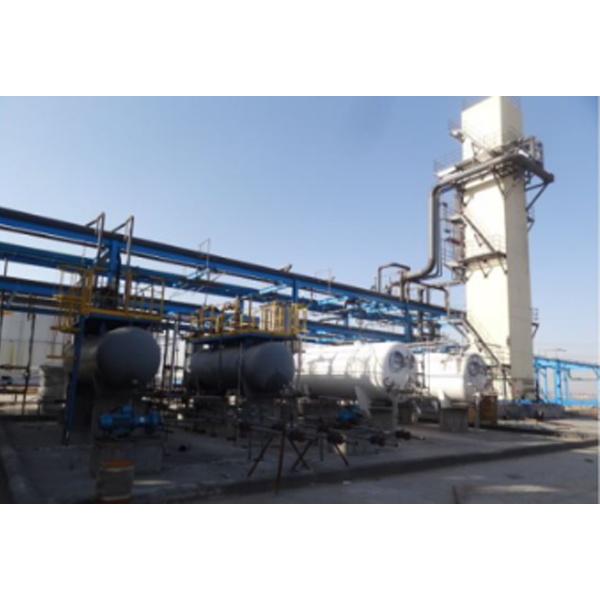
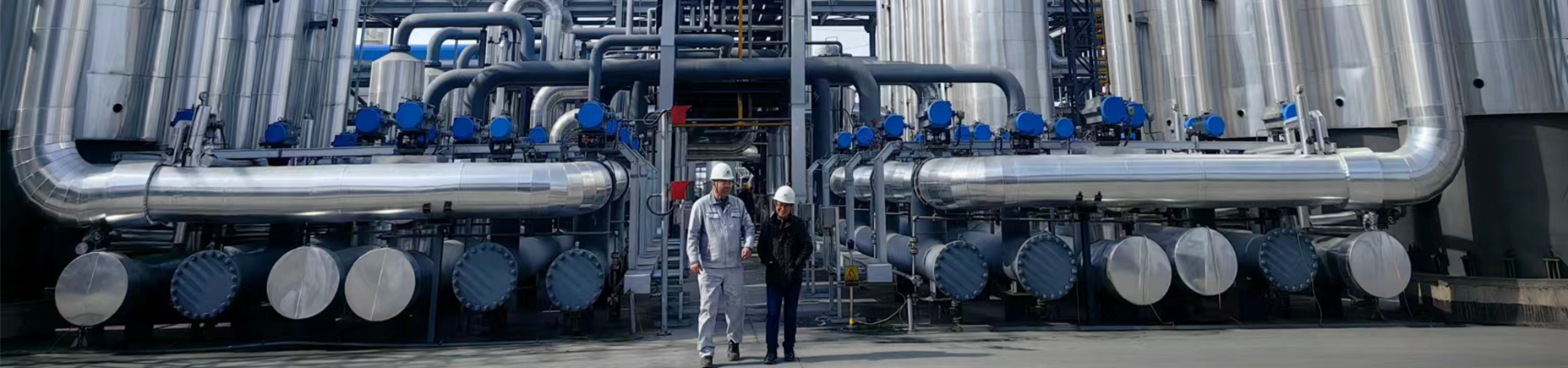
Marketing aside, Chinese exports in this area are divided into several clear, often non-overlapping streams. The first is ready-made industrial installations, say, for capturing CO2 from the exhaust gases of cement or chemical plants. Here China has really reached a good level, offering solutions that are 20-30% cheaper than their European counterparts with comparable basic efficiency. But the key word is “basic”. Chinese engineers have learned to perfectly optimize standard processes for typical tasks. Do you want to capture 100 tons of CO2 per day at a certain inlet concentration? Here is a proven standard project, here is equipment assembled at proven factories in Jiangsu or Shandong. All documents, all certificates. The price is fixed, the delivery time is 10 months. It works, and it's a mass-produced product.
But as soon as the conditions cease to be typical, problems begin. For example, the composition of flue gases at an old metallurgical plant in Kazakhstan may be very different from what is included in the Chinese technological map. Add here issues with local service, the need to adapt to other standards of pipe fittings or power supply. A Chinese supplier often says: “Our technology does not allow for such deviations.” Does it need to be modified on site? And there is no one to improve it. This is a classic contract breakdown point. Therefore, successful transactions often depend not on the equipment seller, but on the engineering companies that take on this adaptation.
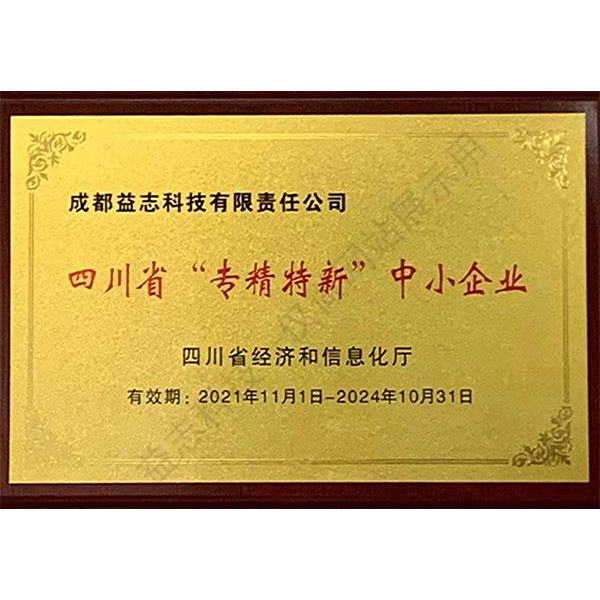
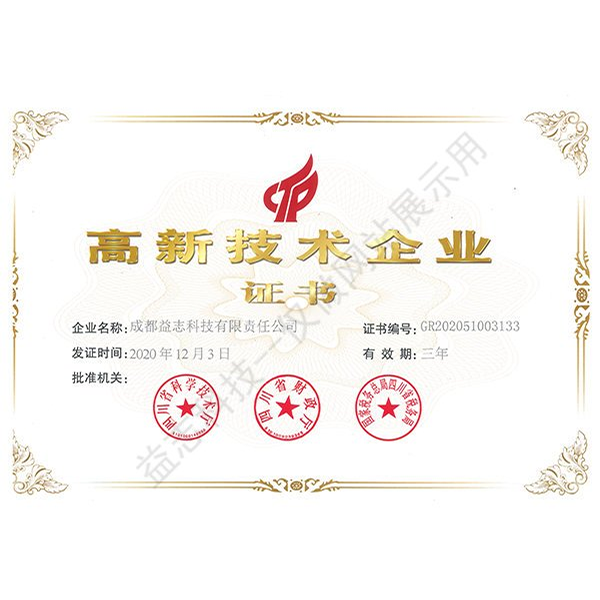
Here is an interesting example -Chengdu Yizhi Technology Co.. This is not just a trading house. It is a design institute established by Huaxi Technology. Their websiteyzkjhx.rufocused on the Russian-speaking market, and this is already an indicator. They position themselves not as sellers of boxes with equipment, but as partners for complex solutions in chemical technology, which, naturally, includes issues of working with carbon dioxide. The registered capital of 120 million yuan is a serious bid for sustainability. It makes sense to talk with such players about “turnkey” projects, where they can take on the basic project, adaptation, and partly supervision of installation. But the price, of course, will be different - not “box price”.
ENP with CO2: niche, but high-value segment
A separate and very specific story is technologies for enhancing oil recovery using carbon dioxide. This is not about the environment, this is about the economics of the field. China is not a pioneer here, but has actively introduced these technologies in its complex fields, for example, in the Songliao Basin. And now they are trying to export this experience. The bottom line is that supercritical CO2 is an excellent solvent that displaces remaining oil from the rock.
But what needs to be exported here is not pipes and compressors (although those too), but primarily geological modeling and technological regulations. The Chinese can bring in a whole team of reservoir simulators and show how, according to their calculations, a particular reservoir will behave when CO2 is injected. This is already aerobatics. The problem is trust. Oil companies are conservative structures and are wary of new technology packages, especially when it comes to expensive drilling and injection. We need pilot projects and demonstration zones. And they are. For example, there were talks about joint projects with Rosneft. in depleted fields, but it all came down to the logistics of the CO2 source and the final cost of the produced barrel.
My experience is that the breakthrough in this segment will not be when the Chinese offer the most advanced technology, but when they can integrate it into the chain with an available source of cheap CO2. For example, if there is a chemical plant near the field that emits carbon dioxide. Then the economy converges. Without this, even the coolest technology remains a beautiful presentation.
?Hidden? export: components and materials
What is often overlooked is that China's biggest contribution to global CO2 technology is not finished plants, but components for them. Membranes for gas separation, zeolite-based sorbents, special steels for high-pressure apparatus, concentration control sensors - all this is mass-produced in China and supplied all over the world, including to installations that bear the names of European or American brands.
This is a huge but invisible market. The competition here is fierce, and Chinese manufacturers win not only in price, but also in speed. Do you need a batch of modified sorbent for a specific gas composition? A lab in Nanjing or Dalian will do the analysis and come up with a prototype in weeks rather than months. Of course, there are questions about the long-term stability of some materials, but for many pilot and medium-sized projects this is an ideal option. Western companies often purchase basic components here, carry out final assembly and testing at home, and sell them as “European quality”. The irony is that the end customer in Russia or Saudi Arabia can be sure that they are buying German technology, although its “guts” Half is from Jiangsu.
For us, as integrators, this creates both opportunities and headaches. The opportunity is to assemble a competitive solution from the best components. The headache is responsibility for the final assembly and operation of the system, when each supplier blames the other. You have to delve deeply into the specifications of each valve and each container.
Barriers: not only price and quality
The main barrier that is not written about in brochures is operating expenses (OPEX) and “operating culture”. Chinese equipment is often designed with cheap labor and high production discipline in mind. That is, it is assumed that sufficiently qualified personnel will be constantly present at the facility, who will promptly change filters, clean heat exchangers, and monitor thousands of parameters. What do we see in practice, say, in Central Asia? Lack of personnel, turnover, poor adherence to regulations.
As a result, the installation, which in China showed a recovery efficiency of 90%, produces a stable 70% on site with constant downtime. And the Chinese side throws up its hands: “We trained you, gave you instructions?” This is a systemic problem. Successful projects are those where, from the very beginning, funds are allocated for a long trip of Chinese commissioning engineers (not for a month, but for six months to a year) and the creation of a full-fledged local service department. Companies likeChengdu Yizhi Technology, judging by their structure, are theoretically capable of this, since they have an engineering backbone. But this increases the cost of the project by 25-30%, and not every customer is ready for this.
The second barrier is “green?” image. Many in Europe and even Russia still view Chinese technology as second-rate, especially in such a sensitive topic as climate. This barrier can only be broken through reinforced concrete case studies, reports on long-term operation, preferably at sites in developed countries. So far there are few such cases. The majority are local Chinese projects or projects in developing countries, where the requirements are softer.
Which way is the wind blowing? Looking forward
Now I see a shift. Previously, Chinese companies waited for the request. Now they themselves are actively looking for partners abroad to create joint ventures or demonstration sites. They are not satisfied with the role of just a supplier of iron. They want to be involved in operations and gain data to improve their technology. This is a smart strategy.
Another trend is packaging solutions. Instead of selling a CO2 capture facility, a complex is proposed: capture + use for the production of methanol or dry ice + sale of emissions quotas. That is, assistance in monetizing the entire cycle. This is already the level of serious consulting. While such proposals are crude, they are in the right direction. Especially for countries with emerging carbon regulations.
As a result, answering the question from the title: yes, Chinese exporters of CO2 technologies are a reality, but an extremely heterogeneous one. From sellers of standard boxes to engineering institutes ready for deep adaptation. Their strength lies in speed, supply chain flexibility and extensive experience in home implementation. Their weakness lies in their often insufficient understanding of local operational realities and the still weak global trust in their comprehensive solutions. The choice of partner is critical here. It’s better to look not at the most beautiful catalog, but at the structure of the company, the availability of in-house R&D and, most importantly, at the list of completed projects with contacts of real customers whom you can call and ask: “How is it working?” How, for example, can you try to do it with the same guys fromChengdu Yizhi- their background as a design institute is more credible than that of hundreds of trading firms from Guangzhou.