Chinese LNG equipment: innovation and ecology?
2026-02-19
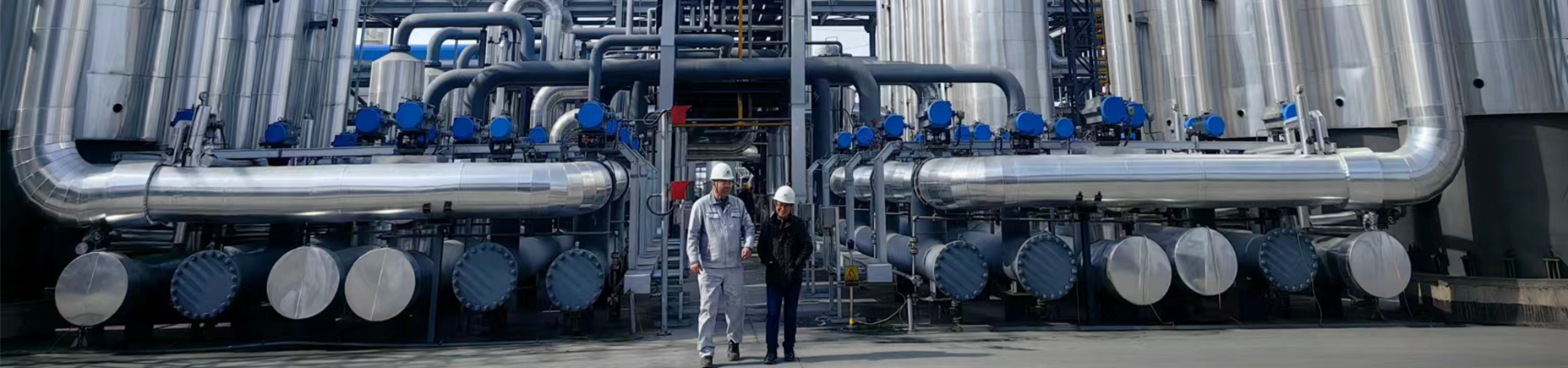
When you hear “Chinese LNG equipment,” the first thought for many is “cheap and cheerful.” But is this true now? Over the past seven or eight years, the picture has changed a lot. Previously, they really took the price, but now they are increasingly looking at energy efficiency and, what is important, at the environmental footprint of the entire chain. I have worked on several liquefaction and storage projects myself, and I see the focus shifting. Not just sell the installation, but fit it into the general logic of low-carbon development. This is what I want to talk about, without gloss, with examples from practice and doubts that always exist in real work.
From ?iron? to system solutions: where are the real innovations?
Innovation is a buzzword that is often thrown around in vain. In the context of LNG, for me, innovation is when you solve a specific customer problem, and not just install a newer version of the heat exchanger. Chinese manufacturers, especially those who have gone from copying to their own developments, have understood this well. For example, it is not easy to offer a cryogenic pump with good efficiency, but to calculate how its integration with a regasification system will reduce overall energy costs at the facility by 5-7%. This is value.
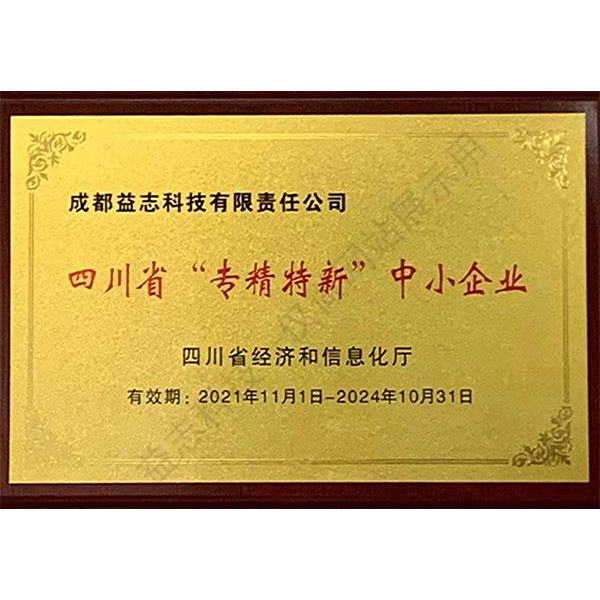
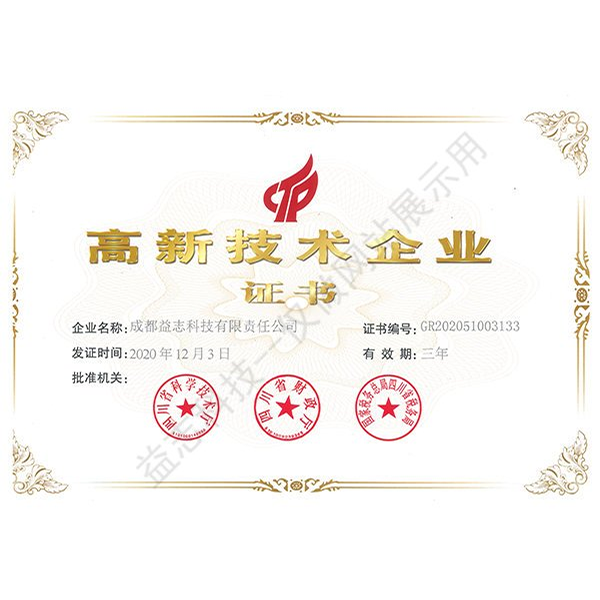
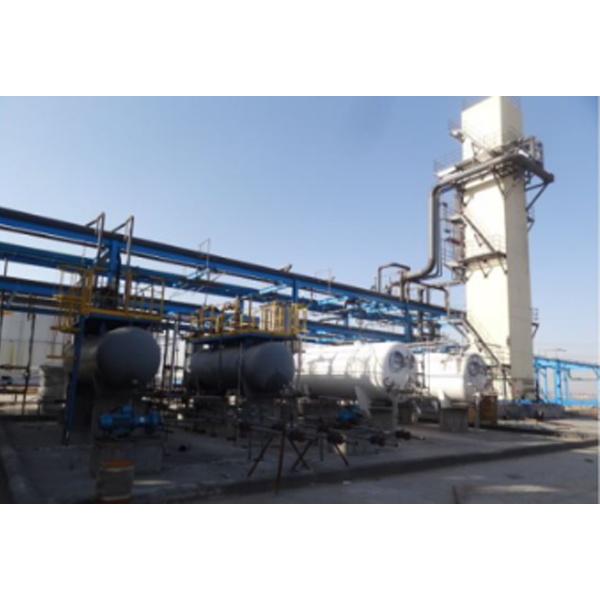
Take the same oneChengdu Yizhi Technology Co.(their website isyzkjhx.ru). They are positioned as a design institute established by Huaxi Technology. A systematic approach is visible in their work. They have not just a catalog of equipment, but a willingness to immerse themselves in the customer’s technological scheme. One day we discussed with their engineers the design of a small buffer tank. Their main question was not “how many tons do you need?”, but “what is the schedule for supplying gas to the network and what are the peak loads?” Then they proposed a non-standard solution for the configuration of evaporators, which made it possible to smooth out the peaks without increasing the storage volume. This is innovation at the engineering level, and not at the press release level.
But there are also problems. Sometimes the desire to do the “smart” thing? the decision is faced with the dampness of the management software or the unwillingness of local personnel to work with it. There was a case when an advanced methane leak monitoring system generated so many false alarms that it was simply turned off. The innovation did not work because it was not fully adapted to real operating conditions - dust, vibration, temperature changes. This is an important lesson: the most difficult thing is not to develop, but to implement and bring it to sustainable operation.
Ecology: not only emissions, but the entire life cycle chain
Environmental issues in LNG are often associated only with the issue of burning associated gas (flare) or CO2 emissions during liquefaction. These are important, but not the only aspects. Now more and more customers, especially from Europe, are asking about the carbon footprint of the equipment itself. What are the materials made of? How much energy is spent on the production of key components, such as cold boxes? How to dispose of used adsorbents or membranes?
Chinese companies have begun to actively work in this field. For example, some compressor manufacturers have switched to using special oils with extended service life, which reduces process waste. Or, in gas purification systems (pre-treatment), more durable zeolites are used, which can be regenerated for a greater number of cycles. These are not loud statements, but specific engineering solutions that reduce the burden on the environment throughout the life of the station.
Here again, the project approach is important. If a company, like Chengdu Yizhi Technology, is initially focused on complex projects, it is easier for it to assess the environmental effect of the entire system, rather than of an individual device. They can propose a scheme for recycling cold during regasification for the needs of neighboring production or calculate how optimizing the logistics of refueling LNG vehicles will reduce the mileage of tankers. Ecology becomes part of the project's economy, and this is the most correct way.
Practice and rake: several cases from personal experience
Theory is theory, but everything is decided by the field. I’ll tell you about a couple of episodes that clearly show both the strengths and weaknesses of modern Chinese equipment. The first one is positive. We worked on a low-capacity modular LNG plant for a remote field. The key issue was reliability and ease of maintenance in harsh climates. The Chinese contractor (I won’t name it, this is not an advertisement) offered not just a container solution, but with completely duplicated control systems and a simplified, “maintenance-free” solution. filling of the heat exchange block. It worked great. In winter, at -45, one of the control loops “switched on”, the system automatically switched to reserve, and the main one was repaired by the watch, without calling specialists from the city. This is understanding the need.
And now about the “rake?”. Another project is a large gas station. We purchased Chinese cryogenic tanks and pumping units. There were no problems with the tanks, but with the pumps it was a nightmare. The specifications for performance and pressure were ideal. Everything is fine in load tests too. But in real work, with constant “start-stop” cycles. Due to the uneven flow of cars, problems began with the oil seals. They quickly wore out and began to leak. The manufacturer could not understand the reason for a long time; he said that we were violating the regime. As a result, it turned out that for our specific conditions (frequency of starts, quality of fuel as a buffer medium) a slightly different design of the stuffing box was needed. The problem was solved, but time and nerves were wasted. Conclusion: even good equipment can stumble. on the nuances of operation that are not in the standard technical specifications. And here responsibility must be shared.
Where are we now and what happens next? A look from inside the workshop
To summarize the current situation, Chinese LNG equipment has moved out of the “low-cost alternative” category. Nowadays this is often “optimal based on a combination of factors?” solution. The quality of materials, precision of manufacturing, level of automation - all this has grown enormously. Competition among Chinese manufacturers themselves forces them not only to make things cheaper, but to make them smarter and more reliable.
The future, in my opinion, lies in further digitalization and flexibility. Not in the sense of the “Internet of Things”, but in the sense of deep adaptation of equipment to the specifics of the resource and market. For example, equipment that can effectively operate on associated gas with an unstable composition, or modular plants that can be quickly scaled depending on the growth in demand. And here design institutes likeChengdu Yizhi Technology Co., have an advantage. Their capital of 120 million yuan and status as a design institute indicate serious investment in R&D and engineering, not just in assembly lines. They can afford to think outside the box.
As for the environment, pressure in this direction will only grow. It’s no longer just about compliance with standards, but about providing the customer with a complete carbon passport of the facility. And equipment that is designed from the ground up for low power consumption, high maintainability and the ability to recycle components will have a decisive advantage. Chinese players, sensing this trend, are already investing in relevant developments. They are no longer interested in the role of catching up. Their goal is to set standards for new markets, especially in the countries of Asia and Africa, where the LNG boom is just beginning and the best, greenest ones can be immediately introduced. practices.
Instead of a conclusion: thinking out loud
As I write this, I understand that the topic is vast. We could talk for another hour about the specifics of compressors, new refrigerants, and problems with certification in different countries. But the main thing I wanted to convey: today is ?Chinese LNG equipment? - this is not about the country of origin, but about a certain approach. An approach that combines rapid technology adoption, flexibility to meet project requirements, and an increasingly thoughtful approach to sustainability issues.
When working with such companies, it is important not to order “as in a catalogue?”, but to involve their engineers in a dialogue as early as possible. Their practical experience, gained from dozens of completed projects around the world, is a huge resource. They have already gone through many mistakes and know how to avoid them. And yes, sometimes their decisions will seem unobvious or unnecessarily complex. But often it is precisely in this complexity that the innovative approach lies, which ultimately provides savings, reliability, and a reduced impact on the environment.
So, to answer the question in the title: yes, innovation and sustainability are no longer just words for the Chinese LNG sector. These are real development vectors that are supported by specific projects and, more importantly, lessons learned from real problems in the field. And this is the most honest indicator of the maturity of any industry.