Is China the leading exporter of LNG?
2026-03-03
I've been seeing this question a lot in industry discussions lately. Many people immediately say “yes” when looking at the growth figures. But if you dig deeper, working with liquefaction and logistics projects, you realize that the answer is not so clear-cut. Is it the leader? In terms of volume - perhaps in the future. In terms of market structure and impact on the supply chain, there are still many nuances that are rarely written about in reports.
Where do the numbers come from and what is behind them?
Yes, the statistics are impressive: new terminals, long-term contracts with Qatar, Mozambique, purchases of spot shipments. But when you yourself participate in tenders for equipment forLNG terminals, you see a different picture. Chinese companies often act as aggregators rather than sole operators. For example, in projects in Papua New Guinea or East Africa, key technologies and financing still flow through Western or Japanese consortia. Our role is often that of a provider of engineering services or modular equipment, rather than the owner of the entire chain.
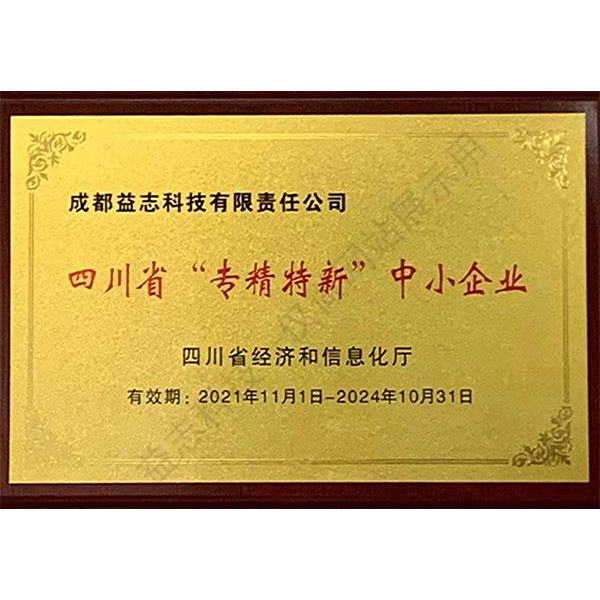
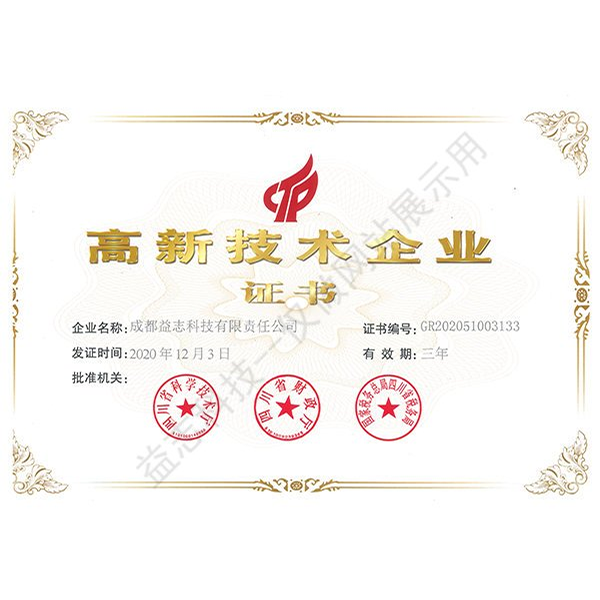
I remember in 2019, my colleagues and I from Chengdu Yizhi Technology Co. analyzed the possibility of participating in the supply of cryogenic valves for one liquefaction plant in Oman. Technically, we were ready, but we were faced with the fact that decisions on basic technology licensing were made without our participation. This is a typical situation: we are strong in implementation, but weak in controlling the “upper”? link - liquefaction licenses and long-term offtake contracts. They are the ones who determine who is leading the market.
Another point is the seasonality of domestic demand. In winter, the northern regions of China require huge volumes, andLNG exportmay be cut sharply to cover domestic deficits. This creates instability for external partners. I saw how European buyers who were counting on Chinese shipments were left with nothing in January because the entire volume was spent on heating Heilongjiang. Such a player may be big, but “leading” in the sense of a reliable supplier is a moot point.
Practical challenges in logistics and infrastructure
If we talk about physical deliveries, then not everything is smooth here either. We have modern gas carriers, new ones are being built, but their fleet is still inferior in overall tonnage and route flexibility to, say, the Japanese or Greek. Renting a boat during peak season is a different story regarding budget and availability.
From my own experience, I came across the fact that even with a contract for supply to Southeast Asia, the logistics chain was broken due to delays in the port of Qingdao - there was not enough unloading/loading capacity to simultaneously work with exports and imports. We had to redirect the ship to Tianjin, which added both time and costs. Such infrastructure bottlenecks are often underestimated in global reports.
In addition, a lot depends on the pricing policy. Chineseexport of liquefied natural gasoften tied to spot prices in Asia (JKM), which can be very volatile. When the price is low, export is not economically viable and preference is given to filling underground storage facilities. This does not allow us to build a stable long-term export strategy, like Qatar or Australia, which work mainly under long-term contracts with a strict link to oil.
The role of engineering and technology: where we are truly strong
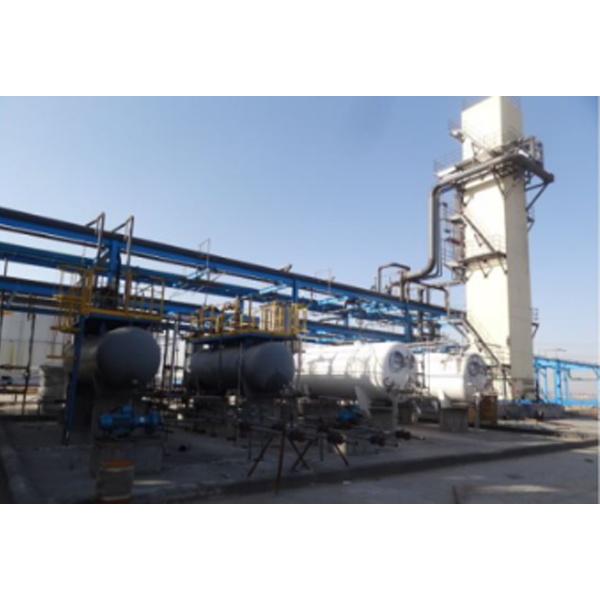
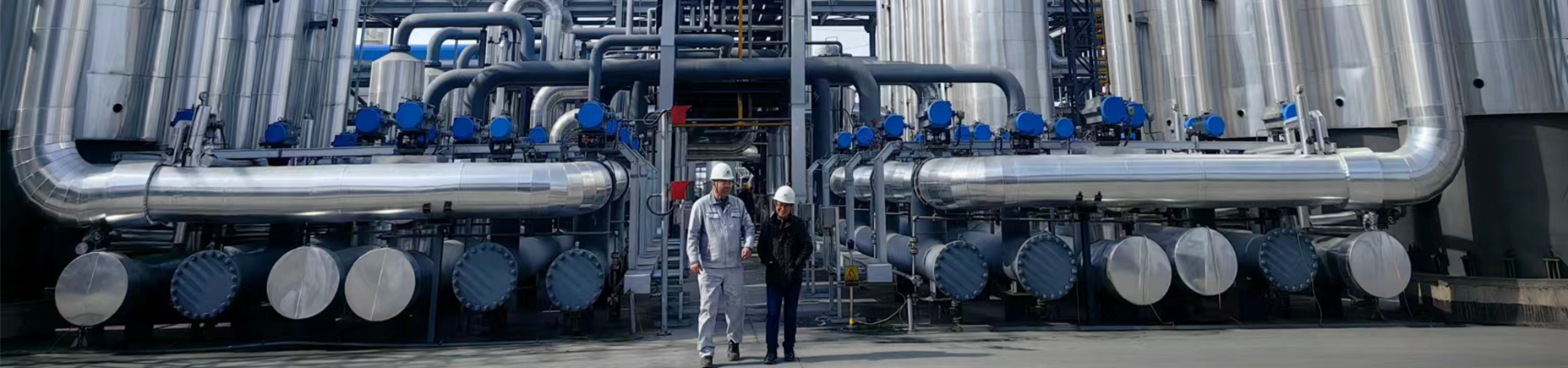
But here there is already something to be proud of. If not in control over resources, then in construction and equipment of facilities, Chinese companies are at their best. I have visited sites many times where our compatriots acted as the general contractor. The speed of construction and the quality of modular solutions are at the same level.
For example, Chengdu Yizhi Technology Co., Ltd. is a design institute established by Chengdu Huaxi Chemical Technology Co., Ltd., which we often engage to work on gas purification units and power supply systems forLNG plants. Their approach to design, taking into account the localization of equipment, really reduces capex for the customer. More information about their experience can be found at https://www.yzkjhx.ru. This is a typical example: we may not own a deposit, but we will build and equip a turnkey plant faster and sometimes cheaper than many Western competitors.
But there is a trap here: our liquefaction technologies, like CNOOC’s or Jangkun’s, have not yet become a global standard. More often we use Air Products or Shell licenses. So there is still room for growth in technological sovereignty for full-fledged leadership. We are brilliant integrators and builders, but we are not always technology leaders in this chain.
A look into the future: what could change the situation
Nowadays there is a lot of talk about “green?” hydrogen LNG and Chinese investments in renewable energy sources for liquefied natural gas production. This is an interesting direction, but for now it’s more of a pilot. I participated in one such project in Xinjiang - they tried to use excess wind energy for electrolysis. Technically possible, but the economics don't add up yet. However, if this path is followed, it will give China a serious competitive advantage as an exporter of not just gas, but “low-carbon” gas. product.
Another factor is growing regasification capacity in Europe and South Asia. They create stable demand. If China can offer not just raw materials, but a package of “gas + infrastructure + long-term contract?”, as it does, for example,leading exporterQatar, then the position will be strengthened. In the meantime, we often act as a flexible spot supplier that responds to market conditions.
The development of internal gas exchange trading in Shanghai is also important. This could eventually create a new Asian price benchmark alternative to JKM and Henry Hub. Control over pricing is a key attribute of a market leader. This is just a prospect for now, but everyone in the industry is following it.
Final Thoughts: Leadership Is More Than Just Tonnage
So, back to the title question. If measured only in millions of tons per year, then China is certainly among the top 5 world exporters and has every chance to rise higher. But if we understand by “leading exporter?” player who determines the rules of the game, technological standards, has the most sustainable logistics and dictates prices, then the answer is no.
Our strength lies in our scale, speed of project implementation and growing technological experience in construction. Weakness - depending on external liquefaction technologies, seasonality of the domestic market and the so far insufficient depth of control over the global value chain. We are on the way to leadership, but, in my opinion, we have passed a little more than half the way.
Ultimately, for a professional in this field, what is more important is not a big title, but an understanding of real opportunities and limitations. To make a contract or investment decision, you need to look not at news headlines, but at the details of specific projects, like those led by Chengdu Yizhi Technology Co., and the conditions at a particular loading port today. Industryliquefied natural gastoo complex and global to answer unequivocally “yes?” or not?. She lives in halftones and constant movement.