China: leader in LNG technology?
2026-03-02
When you hear this question, the first reaction is often skepticism. Many people still think of China as a giant assembly plant rather than a source of advanced engineering solutions in cryogenics. But it is precisely this stereotype that makes us take a closer look. In fact, over the past ten years the picture has changed dramatically, and we are no longer talking about simple copying, but about a full-fledged technological breakthrough, especially in the segmentLNG installationslow and medium power. This is not propaganda, but what you see on sites from Siberia to Southeast Asia.
From importing know-how to own platforms
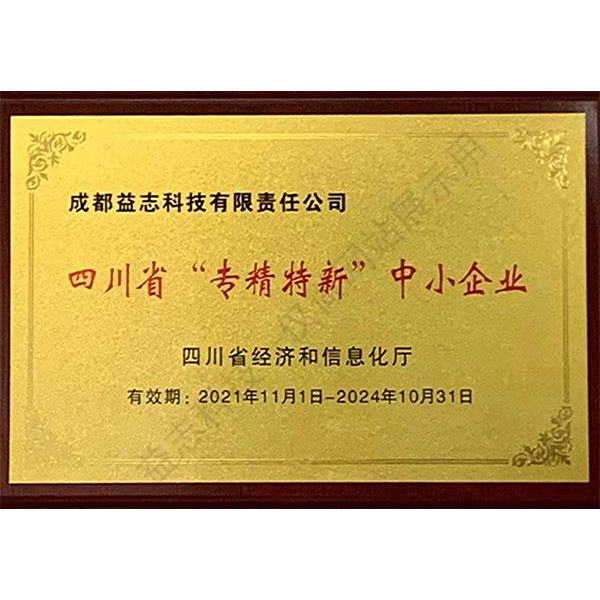
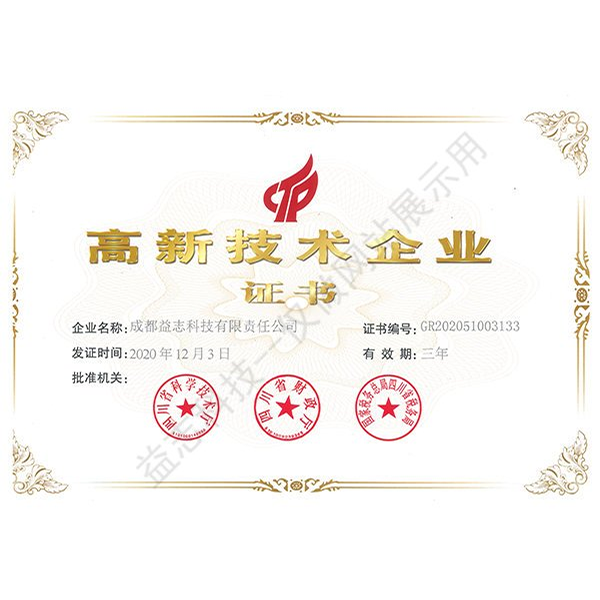
It all started, as usual, with the purchase of licenses and close cooperation with European and American engineering houses. But Chinese engineers quickly ceased to be just students. Let's take, for example, a key unit - heat exchangers like?cold box?. Previously, their design and manufacture were almost a monopoly of a couple of Western companies. Now several Chinese institutes and manufacturers, such as those behindChengdu Yizhi Technology Co., have developed their own, quite competitive analogues. Not without problems, of course. The first batches suffered from microcracks in solder joints under cyclic loads - a classic growing pain. But they methodically “squeezed out” this problem, improving control over the quality of materials and the vacuum soldering process.
It was design institutes like the mentioned Chengdu Yizhi, created on the basis of Huaxi Technology with significant authorized capital, that became the driver. Their strength lies not in fundamental discoveries, but in adaptation and integration. They took basic processes - say, the mixed refrigerant cycle (MRC) - and began to optimize them for specific, often “non-ideal” ones. customer conditions: for a wider range of raw gas composition or for requirements for minimum energy consumption in remote locations.
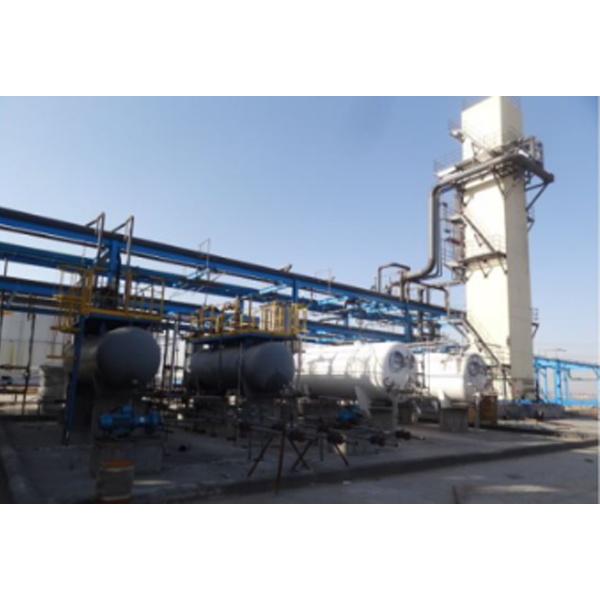
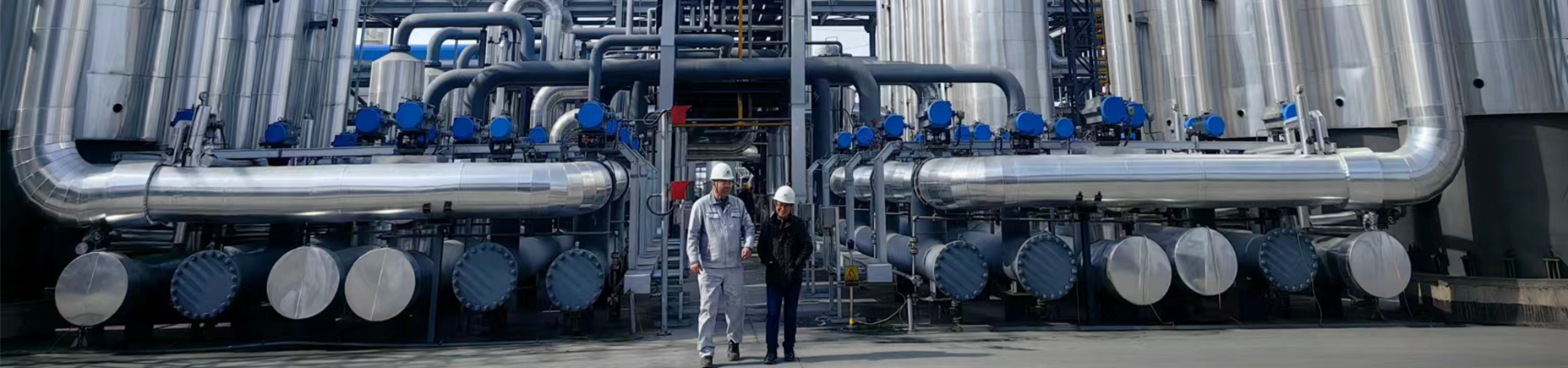
They have their own “branded” ones. solutions. For example, modularLNG plantsfully factory-ready, which can be delivered to almost any location and installed in a matter of months. This is their strong point. Western competitors often offer more flexible design from scratch, but this takes time and money. The Chinese have become adept at replicating proven modules, which dramatically reduces capital costs and timeframes. For many projects, especially in countries with developing infrastructure, this argument turns out to be decisive.
Field testing: where theory meets reality
It all looks good on paper. The real test is exploitation. I had the experience of overseeing the launch of one such installation with a capacity of 100 thousand tons per year in Central Asia. The equipment seems to be the same, but there are some nuances... For example, the control system. The interface was translated into Russian and the local language, but the menu logic and emergency stop algorithms in some places produced “Chinese?” specificity - sometimes too strict, sometimes, on the contrary, allowing too wide a corridor of parameters. It took local operators some extra time to get used to it.
Another point is the climate control. The installation, originally designed for the conditions of Sichuan, in a sharply continental climate with dust storms, revealed a weak point - air coolers. We had to strengthen the filtration and improve the airflow on site. The Chinese side responded quickly and sent engineers with modified components. This is indicative: they learn from each such incident, and the next batches of equipment for similar regions are already being made taking these changes into account.
I also remember the incident withcryogenic pumps. On paper, the parameters - pressure, feed - were not inferior to Italian ones. But in practice, their resource before the first serious maintenance turned out to be 15-20% less. Not critical, but it forces more frequent routine maintenance. On the other hand, their cost and speed of delivery of spare parts outweighed this disadvantage for the customer. This is their market niche: not “absolute high-end”, but the optimal ratio of “price-reliability-service”? for a certain class of problems.
Weak link: materials and the “last mile?”
You can't talk about successes without touching on problems. A major headache that is rarely mentioned in glossy brochures is the dependence on imports of certain specialty materials. High-strength low-temperature steels of certain grades, some types of aluminum alloys for heat exchangers, special seals. Sanctions and logistics crises of recent years have hit the stability of supply chains hard. This forces them to actively develop their own metallurgical direction, but they are still far from complete self-sufficiency.
Another point is the ?last mile? engineering: detailed design for very specific sites, full commissioning cycle exclusively by our own personnel. This is where they sometimes stumble. It happens that the sent team knows its equipment brilliantly, but experiences difficulties with integration into someone else’s, already existing infrastructure - say, with an existing pipeline or power supply system. Sometimes that same “perennial capillary” is not enough. a practice that old Western contractors have who have done hundreds of projects around the world.
It is to solve such complex problems that structures likeChengdu Yizhi Technology Co.- not just as iron producers, but as full-cycle design institutes. Their stated registered capital of 120 million yuan is not just a number, it is an investment in creating just such competence: from the FEED stage to installation supervision and staff training. They try to close the entire cycle to control the quality and reputation of the project from the drawing to reaching its designed capacity.
Markets and the future: not only Asia
Traditionally, their domain has been China's domestic gasification program and exports to Africa and Southeast Asia. Now the vector is shifting. Their installations are increasingly appearing in the Middle East - and this is an indicator, because local customers are extremely picky. We are not talking about giant base plants yet, but about satellite onesLNG facilitiesfor using associated gas or supplying remote consumers.
They are starting to take a closer look at the Russian market, especially in light of new realities. Their offer - quickly deployed solutions for small fields - may be in great demand here. But there is a barrier: trust and the need for deep adaptation to the strict industrial safety and occupational safety standards adopted in Russia. Simply translating the instructions is not enough. Real co-design with local institutions will be required. The first steps in this direction are already visible, including through representative offices working in the Russian-speaking space.
What's next? I think they will not stop at the current level. Active work is already visible on improving the energy efficiency of liquefaction cycles and introducing digital twins for predictive maintenance. Their next goal is not just to catch up, but to offer something of their own in the field, for example, small-format floating LNG plants (FLNG) or liquefaction technologies using renewable energy. The ambitions are enormous, and they are supported not only by money, but also by the accumulated, often bitter, experience of real projects.
Conclusion without big words
So is China a leader in LNG technology? If we talk about absolute technological superiority in all components - not yet. The leadership of older companies from Europe and the US in key proprietary processes and some types of high-tech equipment is still evident.
But if we talk about leadership as the ability to capture and dominate a specific, huge and growing segment of the market - the segment of affordable, quickly deployed, practical solutions of low and medium power - then the answer is affirmative. They have found their formula that works. Their strength is speed, scalability, pricing flexibility, and aggressive but pragmatic way of addressing their own weaknesses, project by project. This is not leadership from the Capitol Hills, but leadership from the factory floor and construction field. And it is precisely this approach that is changing the map of the global market today.cryogenic technologies.
Therefore, when you see another module with inscriptions in Chinese at a remote site, the question is no longer “why are they here?”, but “how quickly will they reach their designed capacity and what new solutions will they bring next time?” And this is perhaps the most eloquent answer to the original question.