China: hydrogen from coke oven gas for export?
2026-03-01
Hydrogen from coke oven gas. Sounds like an ideal solution, especially for China with its huge metallurgical capacities. But when it comes to exports, and not just recycling for domestic needs, the picture becomes dramatically more complicated. Many, especially at the start, see only a chain: coke production -> purification -> hydrogen -> liquefaction/compression -> tanker -> profit. In fact, between these links there is an abyss of technical, logistical and, more importantly, economic nuances that are rarely discussed in reviews.
From by-product to product: where are the subtleties?
The feedstock - coke oven gas - is an unstable thing in composition. Yes, there is a lot of hydrogen there, 55-60%, that’s a fact. But the rest is methane, carbon monoxide, nitrogen, sulfur, resins. The problem is not in the cleaning itself, technology likePSA (pressure swing adsorption)worked out. The problem is scale and consistency. Coke production is cyclical and depends on the operation of blast furnaces. Getting a stable, predictable volume of gas to establish a continuous export flow is already a headache. You can’t just “turn on the faucet”.
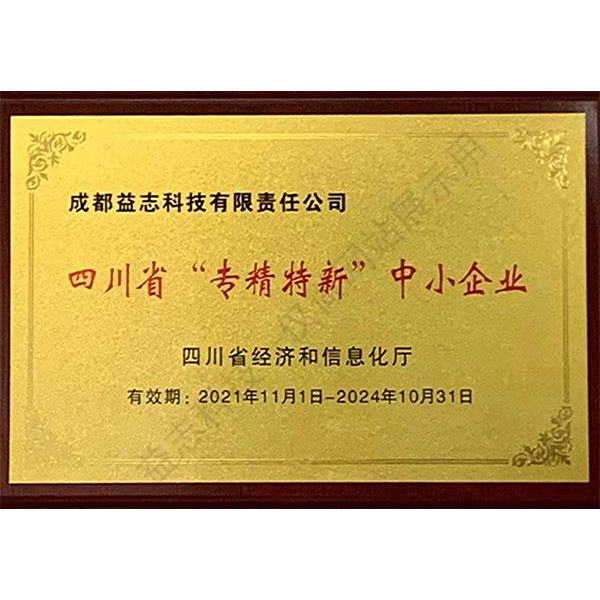
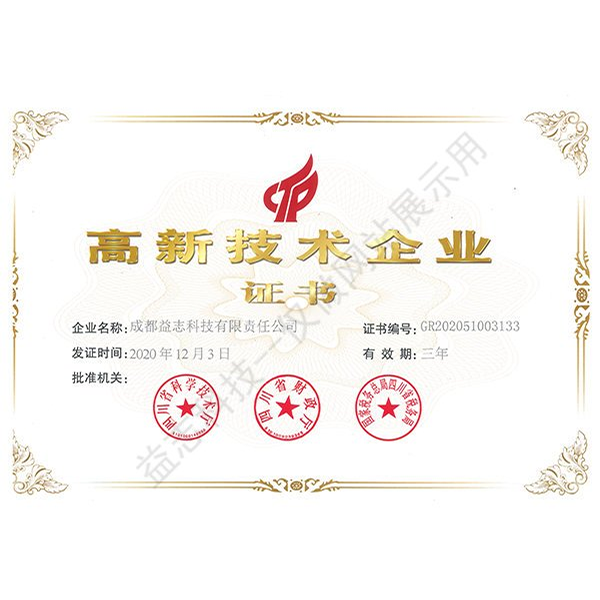
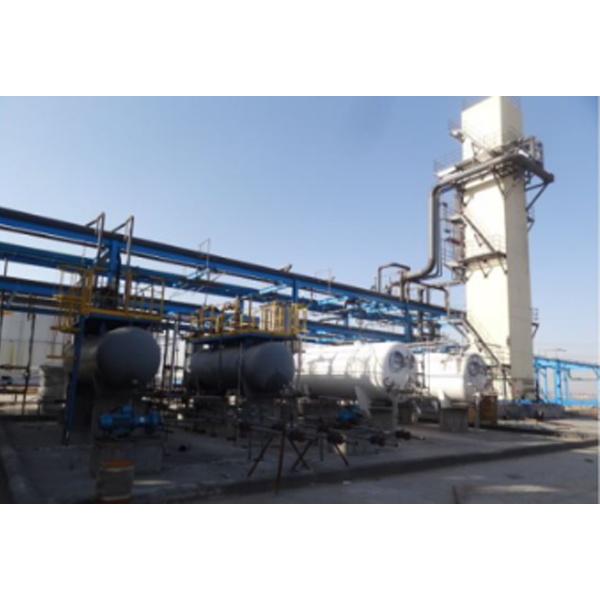
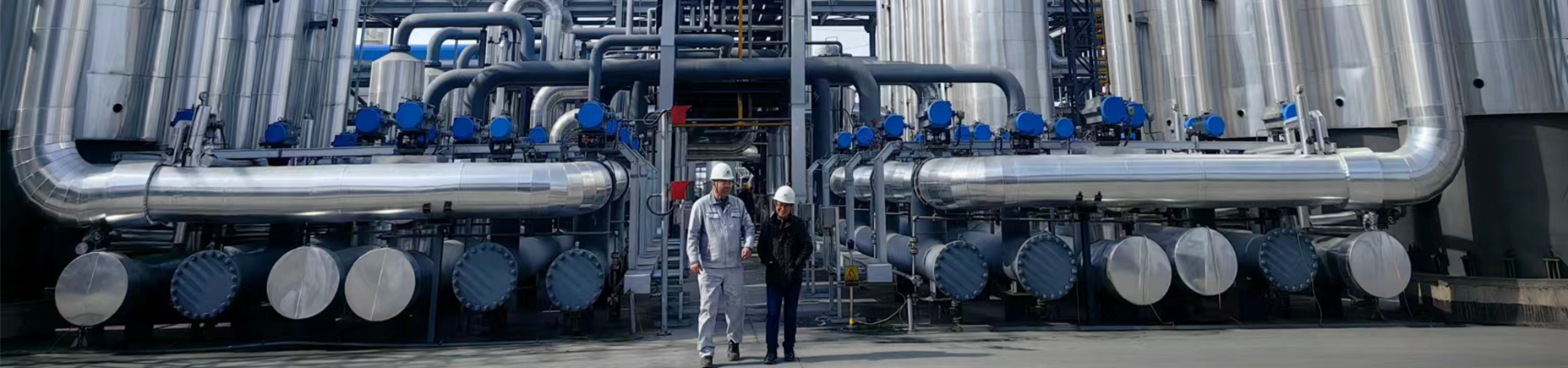
One of the projects I came across was planning to use Chengdu Yizhi Technology Co.'s installations. Their profile is precisely design in the chemical and gas field, details can be found attheir website. They offered complete treatment solutions, including hydrogen sulfide and organic sulfur removal up to the PSA stage. But during the discussions the question of “tail” came up. gas After hydrogen is released, a significant volume of low-calorie fuel gas remains. What to do with it? Burning at a thermal power plant is an option, but then the entire project is tied to the infrastructure of a specific plant and its energy needs. For an export-oriented project this is an unnecessary dependency.
And here the key point of cost arises. Many people think: since gas is almost a waste, then hydrogen is almost free. Misconception. The main costs are the capital investment for high-efficiency purification and compression/liquefaction, as well as the operating energy costs for these processes. Especially for liquefaction. To obtain liquid hydrogen for maritime transport, it must be cooled to -253°C. Energy costs are colossal. And this energy must be very cheap for the end product to be competitive in the global market against, say, hydrogen from natural gas (SMR) with carbon capture.
Logistics: cold reality
Let's say we get pure hydrogen from a coke plant in Shanxi or Hebei. How to deliver it to the port? Pipeline forhydrogen- an option, but in China the network is specific for this, mostly local. The construction of a new highway for hundreds of kilometers is a gigantic project in itself. The most commonly considered vehicles are pipe carriers carrying pressurized hydrogen gas. But export requires volumes, and one “daw?” carries only a few hundred kilograms. Caravans of hundreds of cars? Unrealistic from a safety and cost point of view.
Therefore, the logistics hub should be as close to production as possible. Ideally, the plant is located by the sea. But most coke production is located in the interior of the continent, next to coal and steel. This is a geographic imbalance that eats up all potential profits. We considered the option of producing ammonia on site from this hydrogen (this is easier in logistics), but then this would no longer be export of hydrogen, but a completely different business and other markets.
Liquid hydrogen requires specialized cryogenic tankers. There are only a few of them in the world, the freight is astronomical. And the port terminals for receiving LH2 can be counted on one hand. China is building such infrastructure, but for specific projects, for example, “green?” hydrogen. Whether it will be available for hydrogen from coke oven gas is a big question, because now the main trend is the carbon footprint. And here, despite waste disposal, there are still CO2 emissions in the chain.
Case study: attempt and questions
I had experience consulting on a project in Shanxi province. A local large metallurgical plant wanted to monetize coke oven gas. A design institute like the mentioned Chengdu Yizhi Technology Co., Ltd. has done a good feasibility study on purification up to 99.999%. Technically everything was doable. But when they began to calculate the full cost of delivering the liquefied product to Japan, even according to optimistic forecasts, the price at the exit port of destination was 20-25% higher than that of local suppliers using fossil fuels.
The client was confused not only by the price tag. The Japanese asked questions about ?low carbon? certification. hydrogen. To prove the advantage, a detailed carbon audit of the entire chain was needed - from coker to liquefaction. This included accounting for emissions from the power supply to the treatment plant. And electricity in that region is mainly coal. As a result, the environmental profile turned out to be not as “clean” as we would like for the premium market. The project, as far as I know, stalled at the stage of searching for a long-term off-taker.
Export: not a product, but a service?
Perhaps directly exporting liquid or compressed hydrogen is not the most sustainable way. An alternative that is now being considered is the export of technology and engineering solutions. That is, not to drive gas halfway around the world, but to sell a “boxed solution?” for its processing in those countries where there are similar metallurgical capacities, but there are no such developed purification technologies.
This is already closer to the competence of design institutes. For example,Chengdu Yizhi Technology Co., established by Huaxi Technology, with a registered capital of 120 million yuan, has experience that can be replicated. Not the export of molecules, but the export of know-how, equipment and turnkey project management. This removes logistical barriers. This may be more profitable for China: added value in the form of intellectual labor and mechanical engineering is preserved.
But there are pitfalls here too. Competition with European and Japanese engineering giants. Issues of intellectual property protection. And, again, connection to the cycles of global metallurgy. If the steel industry in Europe shrinks, then the demand for such solutions will fall.
What's in the bottom line? A look from the inside
So, is exporting real? Technically yes. Economically sustainable - in very limited conditions. You need an ideal set of circumstances: a coke plant next to a deep-sea port, access to very cheap “green” gas. electricity for liquefaction, and a long-term contract with a buyer who is comfortable with the carbon footprint and is willing to pay a little more for diversification of supplies.
Most likely, the near future lies in domestic consumption. Hydrogen for local chemistry, for refueling buses and trucks in industrial clusters. This will provide experience, sharpen technologies, and reduce capital costs. And in parallel, the same technologies for cleaning and handling hydrogen will be developed, which may become an export product in a different format.
Personally, I look at this with cautious optimism. The buzz around the hydrogen economy is forcing us to look for all possible sources. Coke oven gas is not a panacea or a “gold mine”, but a serious, undervalued resource. The main thing is not to succumb to the initial delight and count, count all the costs to the last yuan, especially those related to logistics and energy. Without this, any conversation about exports will remain just a conversation.