Is China a leader in the Arctic LNG cascade?
2026-02-21
When you hear this, the first thought is another media overload. Everyone writes about the “Arctic race,” but few people really understand what is behind the logistics and technology in the Far North. Many still think that the Chinese presence there is simply an investment in projects like Yamal LNG. and share in tankers. In reality, everything is deeper and more complex. I’ll try to sort it out based on what I’ve encountered in practice.
Not just an investor: from financing to technology platform
Yes, it all really started with capital. Chinese banks and funds have become key lenders for Yamal LNG. during the period of sanctions. But if it were only about money, there would be no talk of leadership. The trick is that a whole ecosystem was built in parallel. Chinese shipyards, such as Hudong-Zhonghua, have mastered the serial construction of Arctic ice-class gas carriers Arc7. These are not just contract orders - this is a transfer of technology, adaptation of designs to specific navigation conditions along the Northern Sea Route (NSR). I remember discussing with my colleagues the problems with the sea trials of the first ships: icing of equipment, limitations on maneuverability in heavy ice. Technical solutions were born literally on the fly.
Now this experience is being transformed. China no longer just buys a place in a project, but offers comprehensive turnkey solutions. for new stages, the same “Arctic LNG 2”. We are talking about modular construction: giant technological modules are manufactured in shipyards in China (where labor costs and scale of production give an advantage) and then transported by sea to the Gydan Peninsula. This reduces the risks and construction time during the extremely short Arctic construction season. But this is not without problems - the logistics of such oversized cargo through the NSR requires pinpoint precision in planning and monstrous insurance.
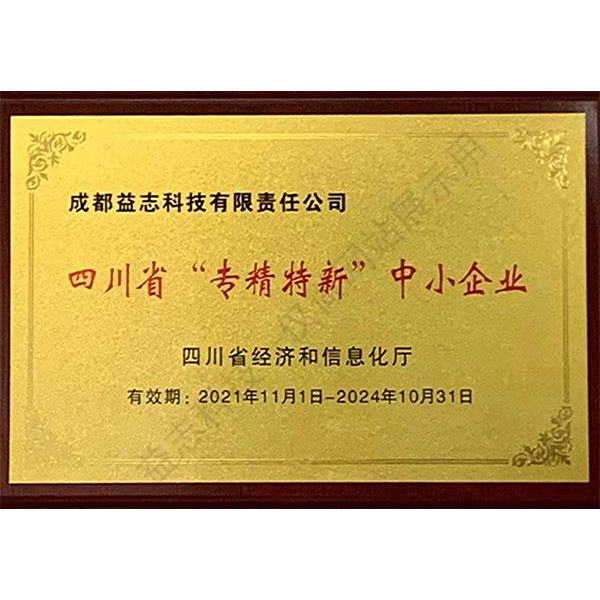
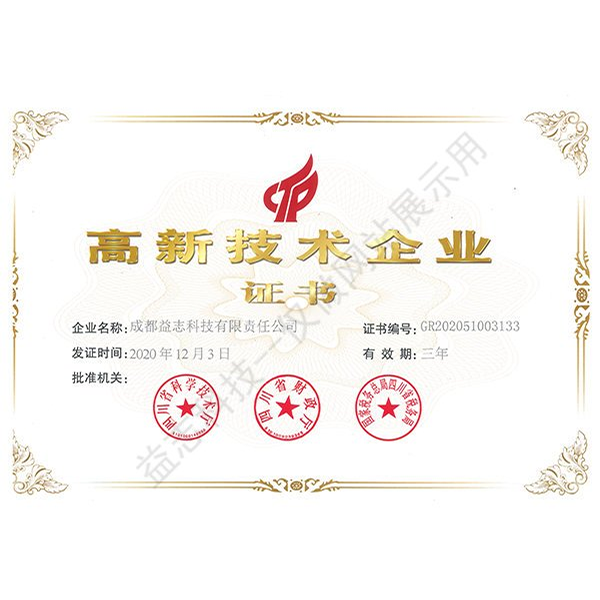
And this is where highly specialized players appear, whose role often remains behind the scenes. Let's take, for example, a design instituteChengdu Yizhi Technology Co. (yzkjhx.ru). This is not a random name. The institute, created on the basis of a technology company, is engaged in detailed engineering and design for chemical and gas processing industries. In the context of the Arctic cascade, their expertise includes calculations for the operation of equipment at low temperatures, specifications of materials that will not become brittle in the cold, and energy efficiency solutions. The registered capital of 120 million yuan indicates serious intentions. Such organizations are the “brains” for technological penetration. They don’t appear in the headlines, but without their calculations and working designs, not a single module will fall into place.
Northern Sea Route: an artery, not a route
Without the NSR, the entire Arctic cascade loses its economic meaning. China was one of the first to understand this. Leadership is not only in production, but also in delivering the product to the consumer. And here the PRC acts systematically. In addition to the construction of gas carriers, they are actively investing in logistics infrastructure and navigation. Beidou satellite constellation now provides navigation in high latitudes, which is critical for the safe passage of ship convoys.
But in practice, everything depends on the ice wiring. Even Arc7 vessels cannot always sail on their own. We need nuclear icebreakers. While the fleet of ?Rosatom? - monopolist. The Chinese are exploring the possibility of building their own icebreakers (non-nuclear), but this is a matter of the distant future. A more realistic tactic now is long-term contracts and cooperation agreements with the Russian side for the development of the Northern Sea Route. In fact, they insure their supplies, providing themselves with predictable logistics. I remember that in one of the seasons there was a serious delay due to abnormally difficult ice conditions in the East Siberian Sea. Then all delivery schedules to the Asia-Pacific region went haywire, and contracts on the spot market had to be urgently reviewed. This incident forced everyone to think about climate risks, even within the framework of a seemingly well-functioning scheme.
Another nuance is port hubs. China is eyeing not only Russian ports like Sabetta, but also opportunities in other Arctic states, such as Iceland or Norway. The idea is to create a network of support points for service and refueling of ships. So far these are more conversations and preliminary memorandums, but the vector of thought is clear: control not only point A (production) and point B (consumer in Asia), but also the entire chain between them.
Technologies for extreme conditions: where the devil in details lies
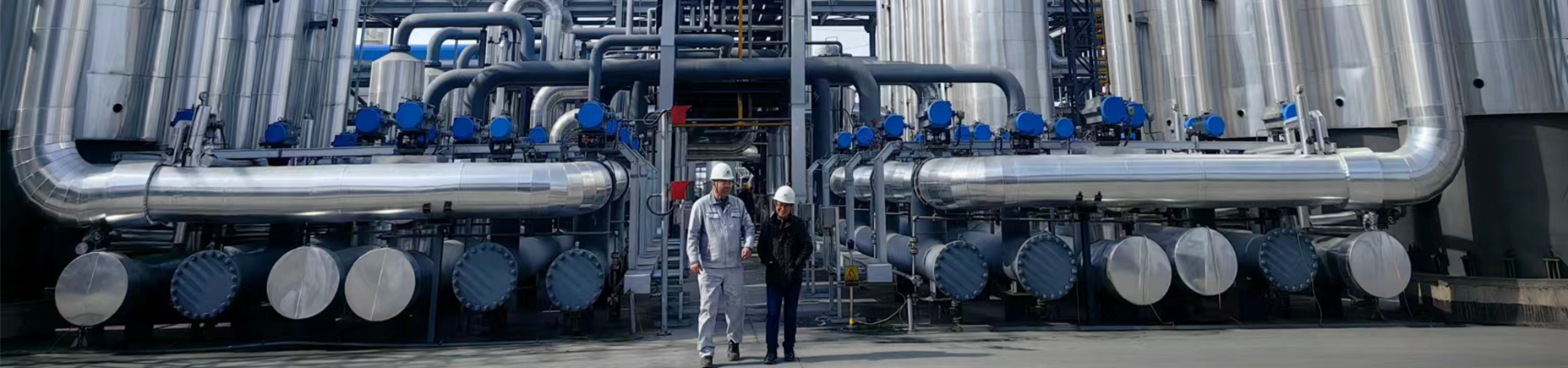
This is where the gap between rhetoric and reality often occurs. Installing the module is half the battle. Making it work stably at -50°C with gusts of wind and in permafrost conditions is an order of magnitude more difficult task. Chinese engineering companies, including the one mentionedChengdu Yizhi Technology Co., are actively working on adaptation.
For example, standard fire suppression systems at LNG plants may not work during the Arctic winter. The water will freeze. Special fluids or dry systems are needed. All this requires redesign. Or materials: ordinary steel becomes brittle. Special varieties are needed, and their supply and certification is a separate headache. Much has to be tested literally in the field. I heard from familiar engineers who participated in the commissioning that some Chinese pumping units, which had proven themselves on domestic projects, in Yamal required additional heating of the casings and changes in operating modes. This is an experience that you will not find in any textbook.
Energy supply is a different matter. Gas turbines operating in such conditions require special air intake and fuel treatment systems. It is often simpler and more reliable to use the energy of associated gas from the field itself, but this requires the construction of a mini-CHP, which again depends on the modular principle and accurate calculations. This is where the role of design institutes is important, as they can model the entire chain and issue specifications that minimize the risks of stopping production.
Ecology and interaction with local communities: thin ice
Western media often portray the Chinese presence in the Arctic as purely resource colonialism. This is a simplification. Chinese companies, working in conjunction with Russian partners, are forced to play by very strict environmental rules, which, by the way, have become much stricter in the Russian Arctic in recent years. Discharges, waste disposal, protection of the tundra during construction - all this is under close attention.
The Chinese are studying. They attract international ecologists for audits and introduce monitoring technologies. For example, drones are used to monitor the state of permafrost around objects. But there are also cultural difficulties. Interaction with the indigenous peoples of the North is not about formal reports, but about long consultations, compensation, and job creation. Here, Chinese managers often rely on Russian partners who already have established procedures. Failures in this area can lead to serious reputational and operational losses, including the suspension of work due to protests from local residents. There have already been such precedents in other projects, and I think this lesson has been taken into account.
Interestingly, environmental technologies are becoming another point of growth. Experience gained in the harsh Arctic—for example, in low-temperature wastewater treatment or tundra restoration—can then be packaged into commercial solutions and offered in other markets. This is no longer about gas production, but about the export of “green” products. technologies.
The future of the cascade: where is the leader heading?
So, is China the leader? If by leadership we mean the largest financial contributor and key buyer of the final product - absolutely. But if we look more broadly—as an entity that shapes technological standards, supply chains, and environmental approaches for Arctic LNG production—then leadership is still situational. China is rapidly increasing its competencies, but still depends on many links in the chain controlled by others (icebreaker fleet, part of critical drilling technologies, etc.).
The next stage is probably an attempt to move the entire value chain even closer to home. We are talking about localizing the production of even more complex equipment and, perhaps, about attempts to participate in projects not only in Russia, but also in other Arctic jurisdictions, where it will be possible to apply the accumulated experience. But this will not be easy due to the geopolitical sensitivity of the region.
The main conclusion that emerges from practice: Chinese leadership in the Arctic LNG cascade is the leadership of an integrator and scaler. They take existing projects, technologies and logistics challenges and, by applying their key strengths - capital, scale and strategic patience - build them into a more efficient and global system. This is not a sprint, but a marathon, where every step, including mistakes and adaptation (as with the same pumps or logistical delays), makes their position stronger. And in this race, not only giants like CNPC are important, but also many players such asChengdu Yizhi Technology Co., which solve specific engineering problems, making this entire Arctic colossus operational.