China: LNG technologies for Russia-exporter?
2026-02-27
I often hear this question, and it always sounds like it's about a ready-made package that you can just pick up and install. In reality, everything is more complicated. China has indeed built up enormous competencies in the field of liquefied natural gas, but the question is not “do they have the technology?”, but the extent to which these technologies, their engineering and operating philosophy suit Russian realities - climate, logistics, raw material base and, importantly, the mentality of local services. My experience is that the key is adaptation, not just supplying equipment.
Where did Chinese LNG come from and what is it?
If we discard marketing prospectuses, the Chinese breakthrough in LNG was built on three pillars: gigantic domestic demand, targeted import of Western technologies in the first stages and their subsequent deep localization and reduction in cost. This is not pure copying, but rather engineering optimization for the tasks of mass construction of medium and small capacities. Their strength is not in breakthrough liquefaction technologies (although there are interesting developments here, for example, in the use of turboexpanders), but in complex turnkey design. with very strict control of deadlines and budget.
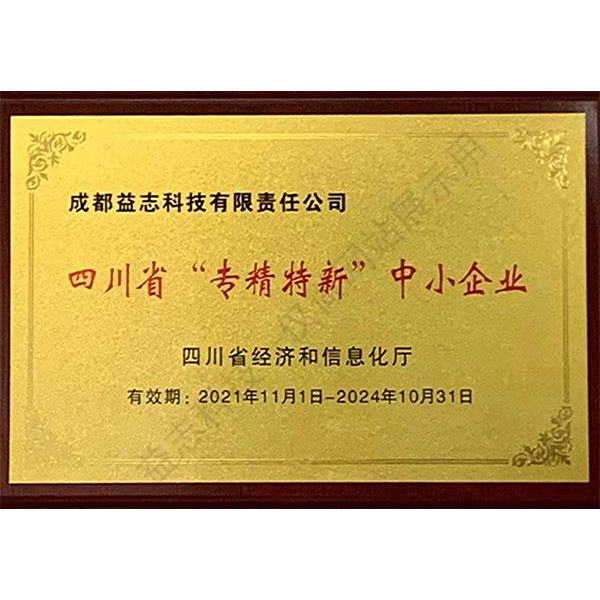
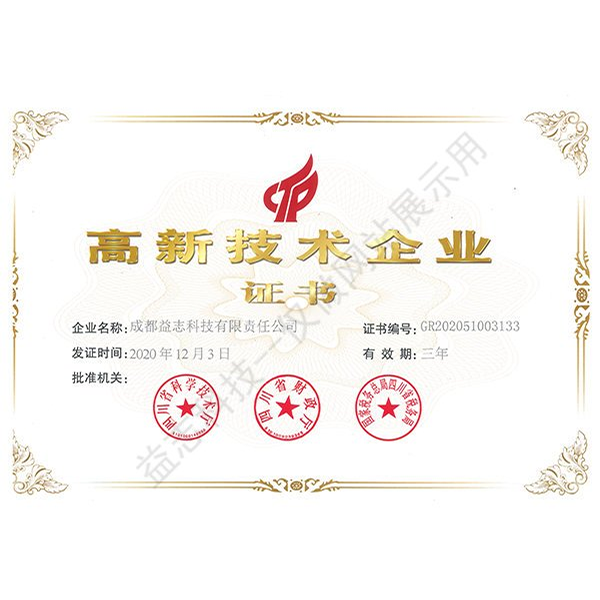
For example, if we talk about liquefaction technologies, many people know the Air Products licenses. But Chinese engineering companies such asChengdu Yizhi Technology Co.(this is a design institute created by Huaxi Technology), they learned not just to work with them, but to build the entire project infrastructure around them - from gas preparation to logistics and security systems, which often turns out to be even more important than the liquefaction process itself. Their websiteyzkjhx.rudemonstrates this comprehensive approach well, although, of course, in real negotiations the details are always deeper.
At the same time, there is also a weak point - this very optimization sometimes comes at the expense of the safety margin. compared to classic European or Japanese projects. In conditions of the Far North or complex geology, this may become a critical point that needs to be negotiated at the FEED (feedback design) stage.
Russian context: why is it not easy to “buy an installation?”
Russia is a traditional exporter of pipeline gas. The logic of LNG for us is often the logic of developing remote, unconnected fields or creating flexibility for export. Therefore, the request is not primarily for gigawatt factories, but for mobile, modular, frost-resistant solutions. And here the Chinese experience of building many small stations around the country is very relevant.
But there is a nuance that is not talked about much. Russian norms and standards (GOSTs, SNiPs, Rostechnadzor rules) are a separate universe. Chinese design institutes, even established ones like Yizhi Technology with a registered capital of 120 million yuan, face a serious challenge here. Their documentation, originally made according to Chinese or international standards (ASME, API), requires deep and expensive adaptation. I have seen projects where this is the “grinding in” phase. consumed up to 30% of the temporary reserve.
Another point is exploitation. Chinese contractors often bring their own installers and commissioners. The speed of work is high, but then the transfer of the object to the Russian service is often painful. Different approaches to maintenance, to the purchase of spare parts (original Chinese vs. searching for analogues), to maintaining documentation. Without pre-defined and well-thought-out training and technical support programs, the project risks encountering problems after the warranty period.
Cases and pitfalls: personal observation experience
I’ll tell you about one project without naming names. We were planning a small LNG installation for refueling quarry equipment in Siberia. The customer turned to a Chinese consortium, which included an engineering partner. The price and terms were 25-30% more attractive than European proposals. Everything went well until the stage of agreeing on the DED (design and estimate documentation) with Russian expertise.
It turned out that the calculations for seismicity and wind load, carried out according to Chinese standards, did not comply with ours. We actually had to recalculate the foundations and part of the load-bearing structures on site, involving a Russian subcontractor. The Chinese colleagues were puzzled - they considered these calculations to be more than sufficient for such objects. There was no conflict, but the deadlines shifted and the budget increased. This is a classic example of the difference in “safety engineering culture”.
On the other hand, where quick delivery of standardized modules was required - say, block-modular nitrogen blowing units or gas analysis systems - Chinese suppliers performed flawlessly. Price-quality were optimal. Conclusion: we need to clearly distinguish where we take a ready-made “box”, and where we take a complex, adaptable project.
Financial model and ?hidden? benefits
Often the decision in favor of Chinese technologies is made on the basis of CAPEX (capital expenditure). He's really lower. But OPEX (operating expenses) can bring surprises. For example, the higher specific energy consumption of some solutions or the high cost of specific catalysts that have to be ordered from China. In a long-term model, this needs to be built in right away.
However, there is also a hidden financial benefit that I have seen in several projects. Chinese banks and export-import agencies are much more flexible and aggressive in offering tied financing for their technologies. For a Russian customer, especially in conditions of limited access to Western credit lines, this can be a decisive argument. The result is a package: technology + equipment + preferential financing. This is a powerful tool.
The future: cooperation, not just purchasing
So, the answer to the question in the title is yes, the technologies exist, and they are competitive for a certain segment of Russian tasks. But the future, in my opinion, does not lie in simple import of factories. The future lies in cooperation at the engineering level.
The ideal model I'm starting to see is the Chinese side providing the core technology solution, key equipment and financing. The Russian side - deep adaptation of the project to local standards, supply of part of non-critical equipment (metal structures, pressure vessels in accordance with GOST), execution of construction and installation works and, most importantly, the formation of a future operational team from the very beginning of the project. Design institutes likeChengdu Yizhi Technology Co.can act as ideal partners here, since they are institutes by structure, and not just equipment sellers, and can work flexibly in conjunction with Russian design organizations.
This model reduces risks, speeds up the approval process and creates real added value within the country. This is no longer just “technology for the exporter”, but the creation of competencies. In conditions when it is necessary to develop new, often isolated deposits and develop gas motor fuel, such a symbiosis looks like the most sensible and promising way. It is worth taking a closer look at it, discarding both skepticism and excessive enthusiasm.