China: LNG liquefaction technology, details for exporters?
2026-02-23
- Not just scale: where to look for niches
- Certification: a labyrinth that you need to go through together with the client
- Logistics and the “last mile”: what is not written about in contracts
- Price vs. cost of ownership: how to talk
- After-sales: not a support service, but a remote engineering department
- Looking ahead: which way the wind blows
When people talk about Chinese liquefaction technologies, many immediately imagine giant factories on the coast. But the real picture for suppliers and exporters often begins with much more modest but critical parts - from specific compressor valves to control systems for cryogenic heat exchangers. This is where both opportunities and pitfalls lie.
Not just scale: where to look for niches
Yes, China is building the largest terminals, but this is a market for heavyweights. For most equipment or technology exporters, the entry point is modernization and localization. Many local players, who grew up in the domestic boom, are now actively looking for imported components to improve the reliability of their installations. We are not necessarily talking about entire technological lines, but, say,methane leak detectorswith certain certificates or insulation materials that can withstand the specific climatic conditions of the northern regions of the PRC.
It’s a mistake to try to sell “universal” things. solution. Chinese engineers are deeply immersed in their processes. Their requests are extremely specific: “Is there an analogue of the shut-off valve that operates at -170°C, but with a pipe to the Chinese standard GB/T 9119?” or “Can we adapt your vibration control system for a turboexpander that we already have, but constantly fails?”. If your answer starts with a shared directory, the conversation is over.
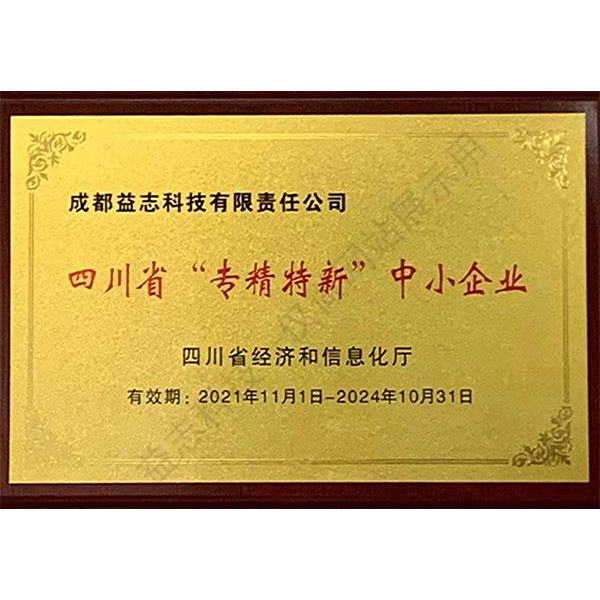
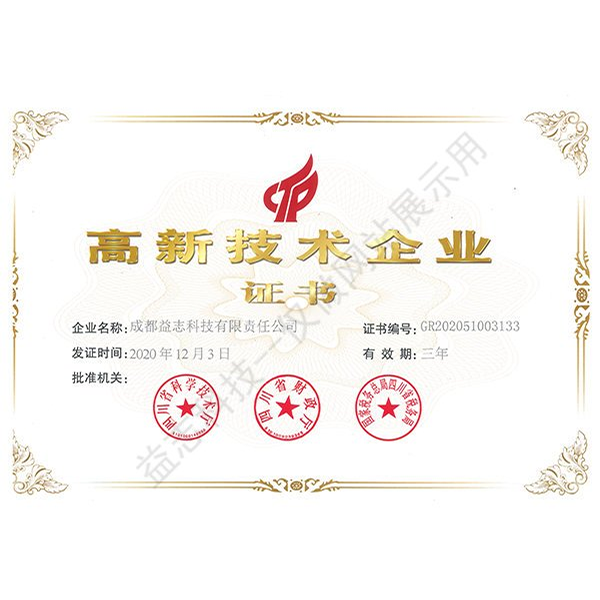
Here it is worth mentioning the experience of such design institutes asChengdu Yizhi Technology Co.(a subsidiary of Huaxi Technology). They not only design, but often act as integrators, selecting specific imported components for their projects of small and medium-sized liquefaction plants. Their websiteyzkjhx.ru– this is a window into the world of precisely such applied technical problems where it is not “technology” that is required. abstractly, but a specific part or an engineering solution for a specific unit.
Certification: a labyrinth that you need to go through together with the client
TSG, GB, AQSIQ – this alphabet will make an unprepared exporter’s head spin. It is important to understand: your Chinese partner often also does not like this bureaucracy, but is forced to live in it. Position ?will you receive the certificates yourself? kills the deal. Successful suppliers do this differently: they study, say, the GB/T 24925 standard for fittings for cryogenic environments in advance, and at the first contact show which of their products already have similar test reports (for example, to EN 12567), and how comparative tests can be carried out to speed up Chinese certification.
There was a case when the delivery of a batchbellows compensatorsfor liquid nitrogen pipelines was stalled for six months due to disagreements over the cyclic fatigue test method. The Chinese side insisted on its protocol, which, in our opinion, did not fully imitate real conditions. Instead of correspondence, we invited their engineers to our test bench in Europe, conducted a joint test using two methods and found a compromise. This cost time and money, but paved the way for a long-term contract.
The key is to show a willingness to immerse yourself in their regulatory ecosystem. Sometimes it is easier and cheaper to immediately design a product taking into account GB requirements than to redesign it later.
Logistics and the “last mile”: what is not written about in contracts
Everyone knows about sea transportation. But the real headache begins on land. Cryogenic equipment is not a container of clothes. For example, deliverycryogenic heat exchangerlike ?core? (core-in-shell) to a plant under construction in Sichuan province. Route: port – river transport – heavy truck on mountain roads. Humidity, elevation changes, vibration. Standard packaging in a nitrogen atmosphere with indicators is a must. But we also began to include in each box simple instructions in Chinese with a QR code on the video: “What to do if the indicator changes color after opening, but before installation?” This reduced the number of panic calls and complaints by 80%.
Another nuance is customs clearance of both “components”. vs ?ready equipment?. Not only the duty, but also the speed depends on this. If you supply a modular control system assembled in a single cabinet, it can be considered a finished product. But if you document it as a set of components for later integration (with wiring diagrams provided), the process often goes faster. This requires close work with an agent on site, who is best found on the recommendation of the client himself.
Price vs. cost of ownership: how to talk
The Chinese market is price sensitive, but this is a stereotype that gets in the way. In fact, in the segmentLNG liquefaction technologies, especially for peak stations or gas stations, life cycle costs are increasingly considered. A simple example: providing an extended warranty (5+ years) not for the entire module, but for its key elements, subject to the use of original consumables (filters, lubricants). This turns a one-time sale into a long-term relationship and justifies the premium.
We somehow lost a tender for the supply of valves for a liquefaction plant with a capacity of 50 thousand tons per year. Our price was 15% higher. Two years later, the same customer returned with a request for an urgent replacement of a competitor's failed valves. It turned out that saving on seal material led to frequent stoppages. We didn’t say “we warned you?”. Instead, they proposed a hybrid solution: our critical valves on the main lines plus a scheme for gradually replacing the rest. The deal was completed. Now they are our reference.
We need to speak the language of process economics: ?Ourseparatorhas a 0.5% higher efficiency, which at your load will save gas by X cubic meters per year, recouping the difference in price in Y months?. Numbers must be specific and tied to their data.
After-sales: not a support service, but a remote engineering department
Setting up a help desk in China is expensive. The alternative is “hybrid?” model. You have two or three key engineers who speak English and have deep knowledge of the product. They work in your time zone, but their job is not to answer calls, but to proactively work with a partner on the spot. This partner is not a distributor in the classical sense, but a local engineering company, like the sameChengdu Yizhi Technology Co., which already has a staff of installers and service technicians.
We give them not just operating manuals, but a package of diagnostic utilities and access to a secure portal with fault databases. When a problem occurs on site, their technician comes on board, captures the data, and downloads it. Our engineer in Europe analyzes trends, checks history and often provides an answer even before a formal application enters the system. This transforms us from a hardware supplier to part of their operations team.
I remember one day at 3 a.m. my time, an alert came in about a drop in pressure in the refrigerant circuit at one of the stations. Telemetry data showed an anomaly in one valve. We contacted a local technician (he was a day old), and he visually confirmed icing in an uncharacteristic location. While he was driving, we prepared step-by-step instructions for him to check a specific filter drier, which, as it turned out, failed ahead of schedule due to a batch of substandard gas. Stopping was minimized. Such cases are the best advertising.
Looking ahead: which way the wind blows
Nowadays there is a lot of noise around hydrogen and other “green” technologies. topics But in the foreseeable futureLNGin China this is the foundation. The trend is not so much megalomania, but rather flexibility and efficiency. There is a growing demand for mobile and modular low-power plants to supply remote plants or as buffer storage. This changes the requirements: the equipment must be even more compact, allow quick installation and remote control.
Another vector is digitalization, but not for show. We are talking about digital twins of key devices that are supplied with the physical product. Not just a 3D model, but a model that can load real operational data (temperature, pressure) and help predict remaining life. This is the next level of the cost of ownership conversation. Pilot projects in this direction are already underway with several leading design institutes, and those who can offer not just “smart” solutions. sensor, and a holistic analytical platform, will gain a strong foothold in the market for a long time.
So, going back to the beginning: parts for exporters are not about screws and nuts. This is about a deep understanding of the details of the technological process, regulatory framework and business logic of the Chinese customer. The market is huge, but it requires not just presence, but immersion at the engineering level. And then even the smallest but vital detail can open the way to big projects.