China adsorbent carbon: cleaning technologies?
2026-01-02
- Chinese adsorbent coal: cleaning technologies?
- Not just coal: from raw materials to pore structure
- Systematic approach: the adsorber is the heart, but not the whole body
- Specific examples and where you can go wrong
- The future: combined methods and catalytic sorbents
- Instead of a conclusion: how to choose and what to look for
Chinese adsorbent coal: cleaning technologies?
When people talk about Chinese carbon adsorbents, many people immediately think about cheap filter filler or low-purity activated carbon. This is, you know, quite superficial. In fact, over the past ten years, a whole layer of technologies has grown there, not only in the production of the sorbent itself, but also in its engineering application for complex problems. I myself encountered this when I was looking for solutions for cleaning gas emissions from highly concentrated organics. The key point is often missed: it is important not just to buy coal, but to understand exactly what purpose and what system it will fit into. And this is where Chinese suppliers, especially those with serious engineering background, can surprise.
Not just coal: from raw materials to pore structure
Let's start with the basics. Chinese adsorbent carbon is not just one product. The feedstock can be coal, coconut shells, wood, and even bitumen coal for special purposes. The difference in raw materials determines the macrostructure of the pores. For example, carbon from coconut shells is often better suited for trapping volatile solvents with a high molecular weight - it has developed microporosity. And for cleaning the air from light hydrocarbons, coal based on coal with wider pores is sometimes more effective.
The mistake of many designers is to take coal only by price per ton or by iodine number. Iodine number is an important indicator, but it characterizes mainly the surface area, and not the pore size distribution. I have seen cases where carbon with excellent iodine value quickly lost capacity under real-world conditions because the pores were the wrong size and there was rapid clogging or capillary condensation in the wrong places. Chinese technologists now understand this well and can, with the right request, select or even specially activate carbon for a specific pollutant molecule.
For example, for the task of recovering toluene vapors from emissions of one chemical production plant, we worked with engineers from Chengdu Yizhi Technology Co. Their approach was not just to sell bags, but first to request the detailed composition of the gas mixture, temperature, and humidity. Then they offered several samples of coal based on coal coke, but with different degrees of activation. In the laboratory, they simulated the adsorption-desorption process and showed breakthrough curves. As a result, we chose the option not with the maximum total area, but with the optimal ratio of micropores and mesopores. This made it possible to extend the adsorption cycle and reduce energy costs for steam regeneration. Their websiteyzkjhx.ru- this is, in fact, the portal of their design institute, where there is a lot of applied information, and not just a catalog of products.
Systematic approach: the adsorber is the heart, but not the whole body
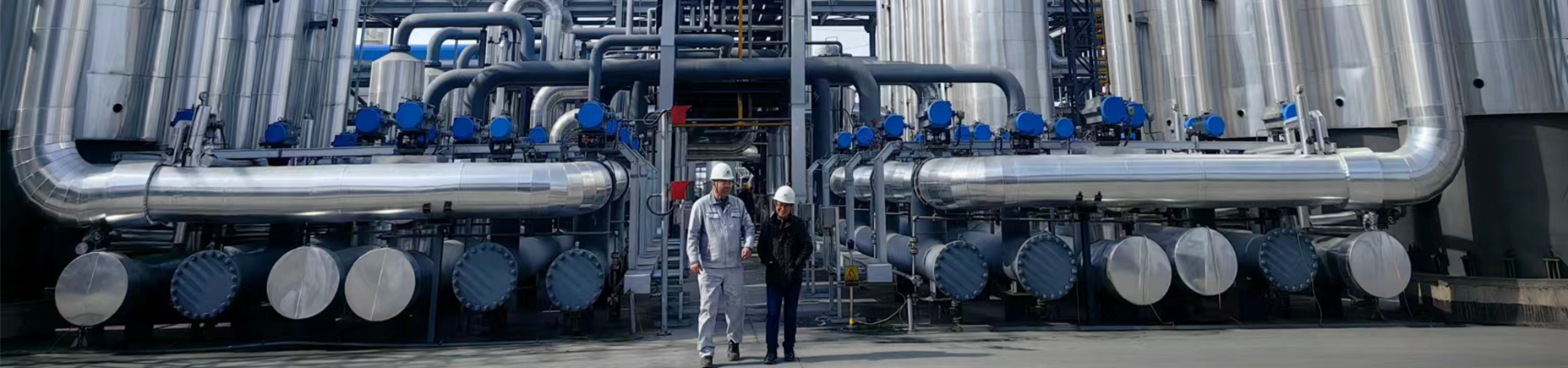
The biggest problem you encounter in practice is the integration of the carbon adsorber into the overall process chain. You can buy excellent coal, but if the design of the adsorber is incorrect (uneven distribution of gas, cold bridges, poor desorption system), then all the advantages of the sorbent will be nullified.
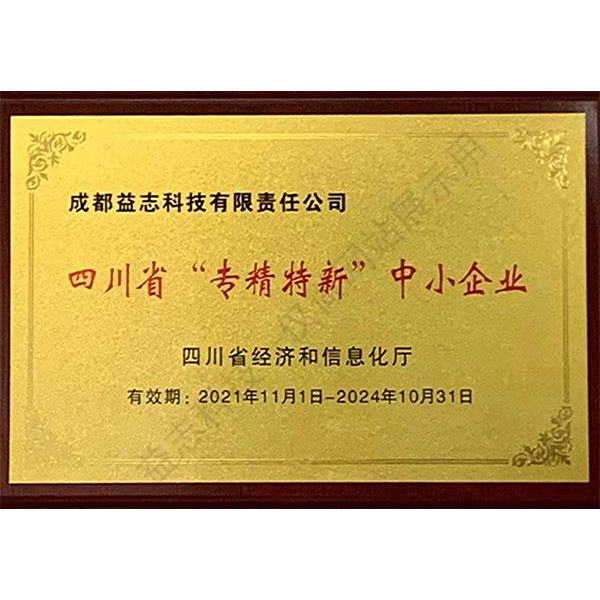
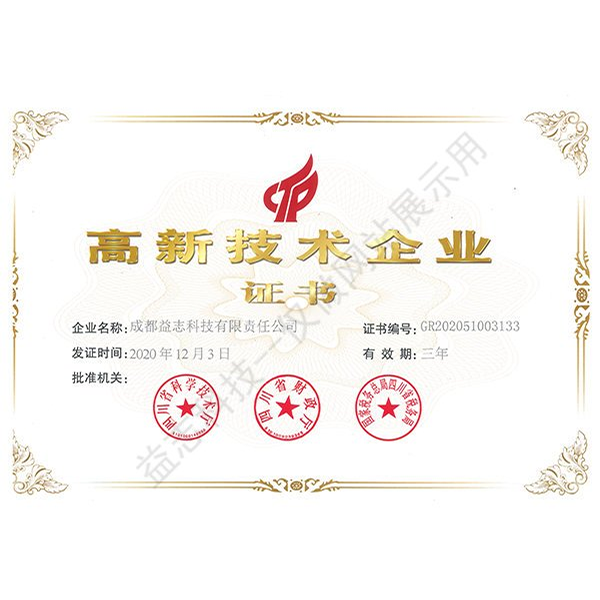
Chinese companies that grew out of design institutes, like Chengdu Yizhi Technology Co., Ltd., with a registered capital of 120 million yuan, are not just traders. They think in systems. Their portfolio often includes not just the supply of materials, but the design and delivery of modular installations on a turnkey basis. For me, this was a key point when choosing a partner for a complex post-incineration flue gas cleaning project. In addition to organic matter, there was high humidity and dust load.
Their engineers did not immediately talk about coal. First, they proposed a pre-cleaning scheme: a cyclone and a scrubber to reduce the temperature and remove the main dust and acidic components. And only then - a two-body adsorber with specially impregnated carbon (to increase efficiency against some specific compounds). They directly said: “Without this preliminary step, youradsorbent carbonwill it turn into a dirty mass in a month, and regeneration will not help? This is a sign of real experience, when you see the whole process.
Regeneration nuances: steam, hot gas or vacuum?
The technology for cleaning the coal itself - regeneration - is a separate story. Classic - regeneration with saturated steam. But steam is not always suitable. For high-boiling organic compounds it may not be effective; a higher temperature is required. Some Chinese manufacturers offer regeneration with hot inert gas (for example, nitrogen) or even vacuum desorption. This is already a higher level.
I remember how we tried to regenerate coal with steam, which caught the heavy tars. It turned out to be a mess, some of it was desorbed, some of it polymerized right in the pores. Coal has become unusable. After consultations, we came to the conclusion that this type of pollutant required regeneration with hot nitrogen in a closed cycle, followed by condensation. Chinese colleagues then admitted that they had similar failures at the beginning of their journey, and now they always carefully test the regeneration method in a pilot plant before proposing a final solution.
Specific examples and where you can go wrong
Let's take air purification from mercury vapor at waste processing plants. Here you need not just activated carbon, but impregnated carbon, for example, with sulfur or potassium iodide. Chinese manufacturers produce such sorbents, but their effectiveness greatly depends on the conditions. If SO2 or high humidity is present in the gas, efficiency may decrease. One of my friends supplied such coal without analyzing the full composition of the gas - the result was almost zero. I had to change the entire circuit, install pre-drying and a scrubber to remove acid gases.
Another example is use in the pharmaceutical or food industry. Sanitation and certification are critical here. Chinese export suppliers have long understood this. They can provide charcoal with the appropriate certifications (such as USP or food grade) produced on a separate production line to eliminate contamination. But this needs to be specifically stipulated and documents required. Not everyone who sells “activated carbon” can provide this.
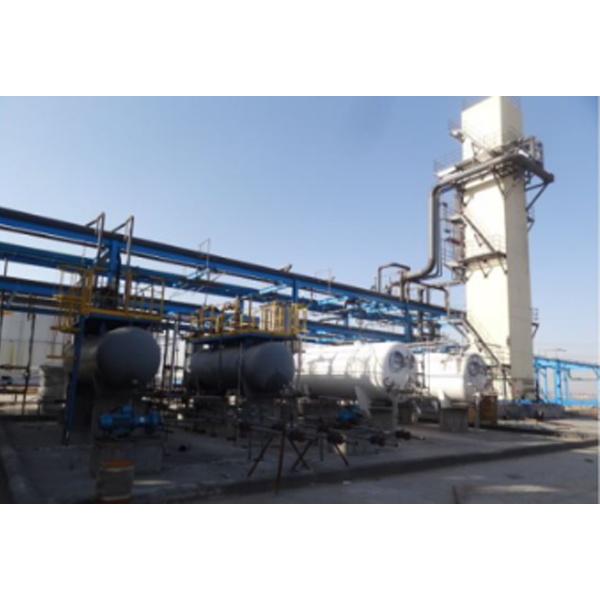
Websiteyzkjhx.ruin the section of its projects it shows the following cases: purification of fugitive emissions at chemical plants, solvent recovery systems, gas purification at waste incineration plants. These are not abstract words, but rather detailed descriptions indicating volumes, initial concentrations and final results. It feels like people did the work themselves.
The future: combined methods and catalytic sorbents
Now the trend is not just adsorption, but a combination of methods. For example, adsorption-catalytic oxidation. Coal acts here both as a sorbent and as a carrier for the catalyst. Organic matter is retained on it, and then, when air is supplied and heated, it oxidizes directly in the coal layer. This solves the problem of regeneration and disposal of concentrated desorbates.
In China they are actively doing this. The same design institutes, like Yizhi Technology, are developing in the field of modified coals and hybrid systems. I saw their experimental installations, where a carbon adsorber is combined with a low-temperature plasma unit for post-oxidation. It’s still expensive, but it’s promising for particularly toxic and poorly captured substances.
Another point is mechanical strength. For large adsorbers with frequent regeneration cycles (heating and cooling), the carbon must be abrasion-resistant. The Chinese have learned to make high-strength coal granules, especially for such conditions. This is not something you see on the spec sheet, but it is critical to the longevity of the installation. You break a granule in your hands and you roughly understand whether it will survive five years of work.
Instead of a conclusion: how to choose and what to look for
So, to summarize the experience. Chineseadsorbent carbonand the technology for its use is no longer at the “cheap and cheerful” level. This is a whole range of solutions, from simple filter media to high-tech cleaning systems. The main thing is to find not just a seller, but a partner with engineering competencies.
Look at the company's history. If it is a design institute or a company with a strong R&D department, as is the case with Chengdu Yizhi Technology (a subsidiary of Huaxi Chemical Technology), this is a good sign. They will be able to conduct laboratory tests, propose pilot tests, and design the system. Ask not only for a passport for coal, but also for test reports on real gas mixtures similar to yours.
Don't hesitate to ask about unsuccessful cases. A company that honestly tells where and why something didn’t work for them is more trustworthy than one that promises mountains of gold. Cleaning technologies are a practical area, where you learn from mistakes. And Chinese engineers, who in fifteen years have gone from copying to their own developments, have learned this lesson well. Their strength now lies in their ability to adapt known technologies to specific, sometimes very complex, customer conditions. And coal in this story is not just a commodity, but a precisely selected tool.