China's conditions for LNG exporters?
2026-02-22
When they talk about the conditions for entering the Chinese LNG market, many people immediately think about long standard contracts and strict requirements of PetroChina. But reality, as usual, is more complex and interesting. If you are an exporter, especially a new player, prepare not for a simple list of rules, but for a multi-layered system where the formal framework is just the tip of the iceberg. Infrastructure details, local partners, and even how you present your flexibility are important here. I went through this myself, and I will say: many fail because they rely too much on standard presentations, not realizing that Chinese buyers are now looking not just for a supplier, but for a long-term, adaptive partner who understands their internal logistics and regulations.
Formal barriers: not only ?PetroChina?
Yes,national oil and gas companies(CNPC, Sinopec, CNOOC) remain key players, especially for long-term contracts. Their conditions are known: linkage to the oil index (often with a ceiling), strict requirements for product specifications, obligations on the receiving infrastructure. But here's what is often missed: even when working with them, the choice of terminal becomes critical. Not all terminals have free capacity, and not all are connected to the networks that a specific end user needs. I had a case where I had a contract with one of the “big three”? almost failed because their chosen discharge port in Guangdong province became overloaded during the peak winter months. We had to urgently work out an alternative through Jiangsu, which added logistics costs, but saved the deal.
In addition to the giants, the market of independent importers and city gas companies is actively developing. Here, conditions may be more flexible in terms of pricing (sometimes linked to Asian spot indices, such as JKM), but other difficulties arise. Their creditworthiness requires careful due diligence, and their receiving capacity is often limited. They may buy a cargo of LNG but not have a long-term regasification contract. An acquaintance from one such company complained that he bought a profitable spot cargo, but then for two weeks he could not get a window at the terminal - everything was booked by large players under long-term agreements.
And, of course, regulatory requirements. Certification of origin, safety standards, environmental regulations - all this must be in perfect order. Chinese inspectors are very scrupulous about documents. I remember one delivery was delayed by a day due to a discrepancy in one number in the gas analysis certificate. Formality? Yes. But such a formality can cost money if the ship is being unloaded.
Informal settings: partnership and understanding the context
This is perhaps the most important part. The Chinese market is a relationship market. Your number one condition is to find a reliable local partner who will not just be an agent, but will become your “guide” in the local business environment. Such a partner will help not only with contacts, but also with understanding unwritten rules and navigating bureaucratic procedures in a particular region. Without this, you can bang your head against the wall for a long time.
For example, work on one project in Shandong showed that even with all the permits from the central government, approvals from the local environmental protection agency could take months. A local partner with well-established connections speeded up this process significantly. He knew what wording in the documents needed to be emphasized, and who exactly to contact. This is not corruption, but an understanding of internal processes.
Another informal aspect is the willingness to adapt. Chinese buyers increasingly want flexibility: the ability to change the destination of a shipment (destination flexibility), discuss delivery schedules. If you come with a tough one, “like everyone else?” proposal, the chances are less. You need to show that you understand their needs to manage the balance of gas on the network, especially during periods of peak winter demand.
Infrastructure nuances: where and how to supply
The terms are dictated not only by the buyer, but also by geography. China is actively building receiving terminals, but their distribution is uneven. Main facilities on the east and south coasts. If your target customer is a plant in central China, say Sichuan, then access to a pipeline network from the coast to the interior of the country becomes a requirement for success. It is necessary to clearly understand who owns these pipelines and whether they have free capacity. Sometimes it is more profitable to sell cargo to a closer port, even at a slightly lower price, than to bear the risks and costs of complex logistics deep into the country.
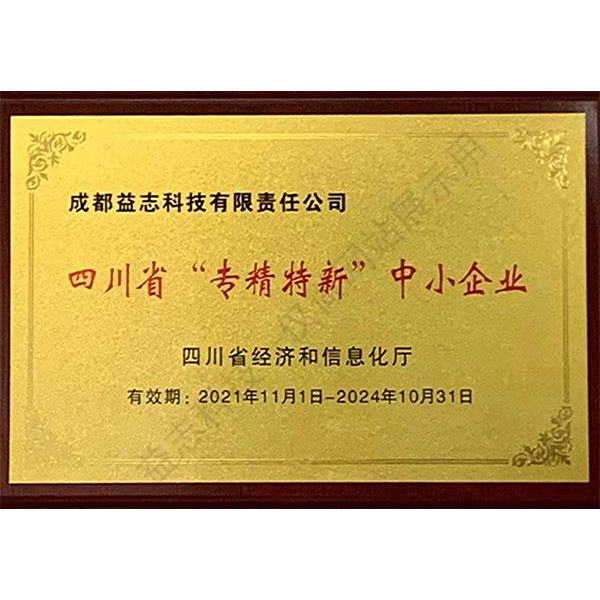
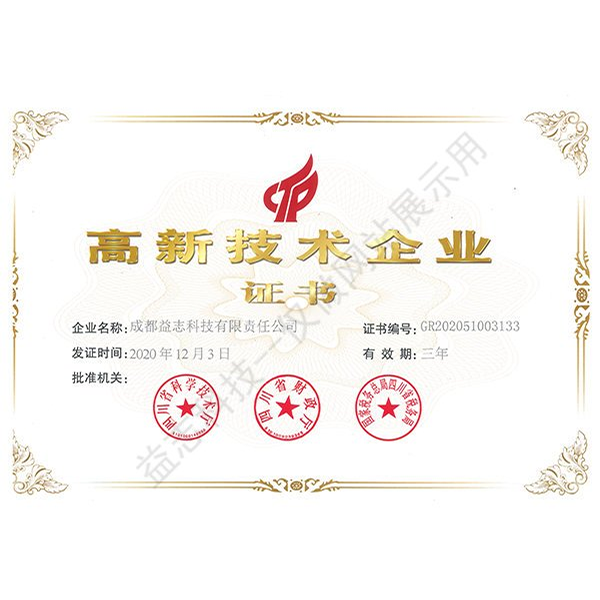
A separate story is small and medium-sized floating terminals (FSRU and FSRU). They are becoming a popular solution for quickly providing gas to industrial parks. The conditions for working with them are different: they often require participation in the design and adaptation of infrastructure for a specific type of vessel. This is where the experience of cooperation with engineering companies that specialize in such solutions comes in handy. For example,Chengdu Yizhi Technology Co.(their website ishttps://www.yzkjhx.ru) is just one such design institute created by Huaxi Technology. They have been working on technology solutions in the chemical and related industries for years, and their expertise in the integration of receiving facilities can be extremely useful for an exporter who wants to offer a complete solution, not just gas molecules. Their deep design approach helps avoid many pitfalls during the commissioning phase.
It is also worth monitoring the development of the domestic network of LNG filling stations for freight transport. This is a growing niche market where contract terms can be shorter and logistics requirements for just-in-time delivery are possible. - tougher.
Price mechanisms and currency risks
The classic condition is pegged to oil (Brent, Dubai) with a coefficient. But now this is no longer a dogma. There is more and more talk about switching to Asian spot indices (JKM, TTF) even in long-term contracts, or at least about hybrid formulas. For an exporter, this means the need for more active hedging of risks on exchanges. Negotiations on pricing have become more complicated: the Chinese side perfectly argues its position with data on supply and demand in the regional market. You need to be prepared for a detailed analysis.
Currency issue. Payments in yuan are no longer exotic, but an increasingly frequent request, especially from state-owned companies. This creates additional conditions: you will need to establish work with the yuan, understand the conversion procedures, and assess the risks of fluctuations in the RMB rate. Some exporters create separate accounts with Hong Kong banks for this purpose.
Also, one should not discount the “political” one. price component. A long-term contract may include provisions for strategic partnerships, joint investments in infrastructure or technology. The price in this case is part of a larger package of agreements.
Failures and lessons: what not to do
I'll tell you about a bad experience to make it clearer. We once tried to promote medium-scale LNG supplies to a group of small chemical plants in Fujian. The price was good, the logistics were calculated. But we have not paid enough attention to their internal gas distribution system. It turned out that they did not have a single coordination center, each plant negotiated the reception itself, and it was impossible to agree on a single unloading window at the terminal. The project stalled at the stage of pre-contract negotiations. Lesson: the key to success is not only to reach an agreement with the terminal owner, but also to have a clear, agreed plan of action with all end recipients in China. Sometimes it is easier to work with one large off-taker, which itself distributes gas throughout its network.
Another common failure is underestimating the technical requirements for gas quality. Chinese standards may have specific tolerances for the content of individual components (nitrogen, helium) depending on the region and the type of consuming equipment. Bringing a shipment that does not meet these delicate parameters means getting fines and ruining your reputation. It is necessary to request and analyze technical specifications (TOR) not in general, but for each specific delivery, especially if it is a new buyer.
And lastly: do not try to act alone, especially at the start. Even large international traders are entering the Chinese market with local partners or through joint ventures. The condition is not just the presence of an office in Shanghai, but integration into the local business and information environment. You need to attend industry conferences not as a speaker, but for informal communication, read local industry media to understand the trends and pains of the market from the inside.
Instead of a conclusion: dynamics change the rules
So, China's environment for LNG exporters is a complex picture. It consists of rigid formal frameworks, flexible informal arrangements, infrastructural constraints and constantly changing pricing models. The main trend of the last two years is the transition from the “seller dictates” model. to the “partnership and adaptability” model. The Chinese market is becoming saturated and buyers are becoming more sophisticated.
Success will not lie with the one who offers the lowest price today, but with the one who can reliably and flexibly integrate into the Chinese gas ecosystem for the long term. This means being ready to discuss joint projects, share expertise, and help with supply chain optimization. It is these exporters who will receive the most favorable and stable conditions in the long term. Everything else is a tactic that may give a one-time result, but will not ensure a permanent presence in this huge and complex market.