

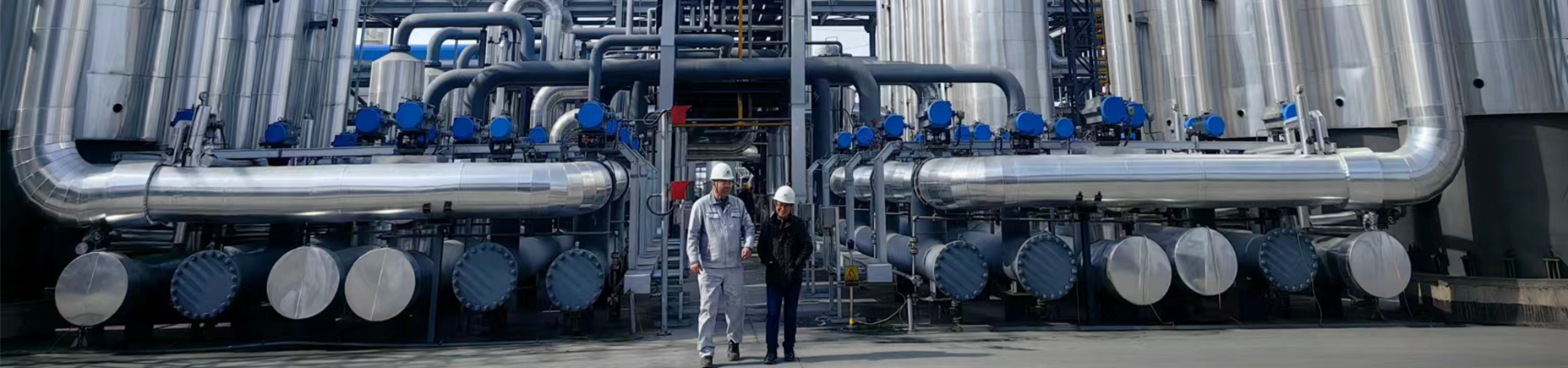
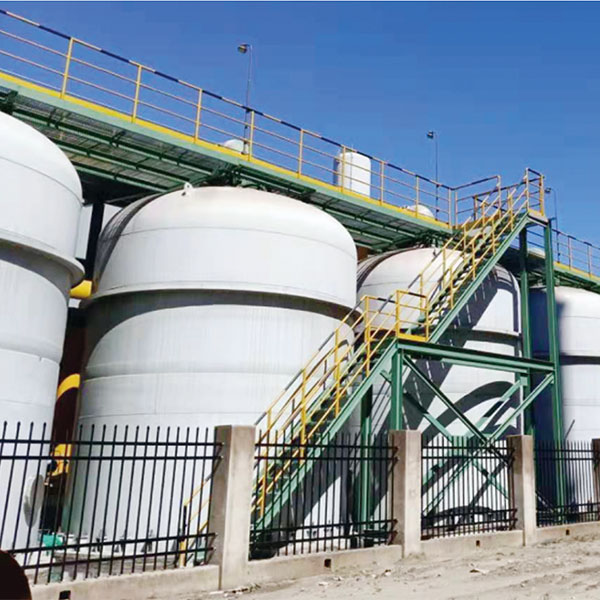
Flue gas CO2 recovery technology
The flue gas from casing kilns (lime kilns) is characterized by low pressure, high temperature, dust, low CO2 content and the presence of impurities such as NOx and SO2. According to the characteristics of the feed gas and the product quality requirements, the technological process of flue gas CO2 recovery plant mainly includes: deep furnace gas purification, single-column VPSA enrichment, double-column VPSA enrichment, CO2 compression, CO2 purification, CO2 liquefaction and purification, CO2 evaporation, storage and supply system.
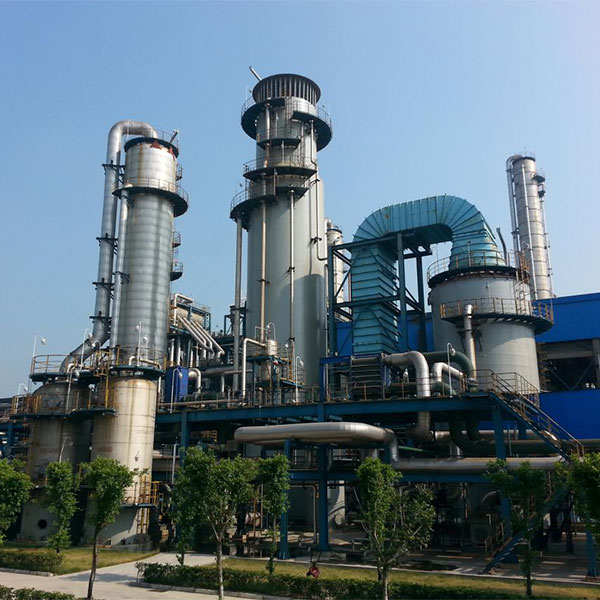
Wet CO2 removal technology
Wet method decarbonization technology is a low energy consumption technology that is widely used to remove CO2 and H2S from synthetic ammonia, methanol feed gas, refinery gas, urban coal gas and natural gas.
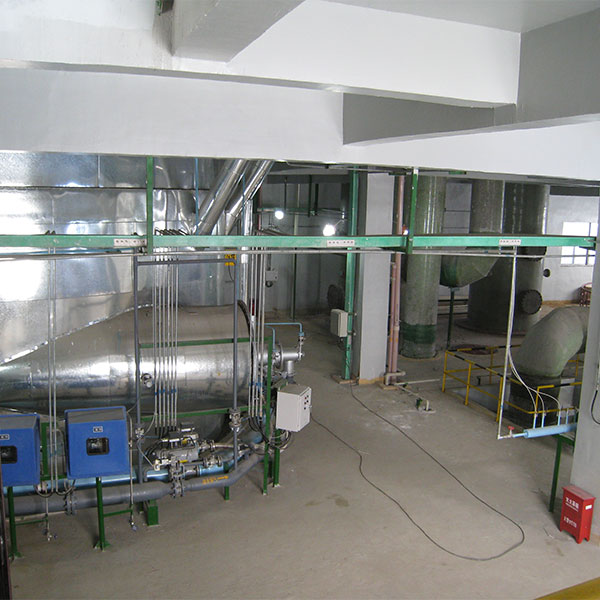
Special acid regeneration equipment
Acid regeneration technical services: providing acid regeneration technical services, upgrading the acid regeneration plant to achieve the indicators (more than 10 sets have been built, HCl and dust not more than 15 mg/Nm3)
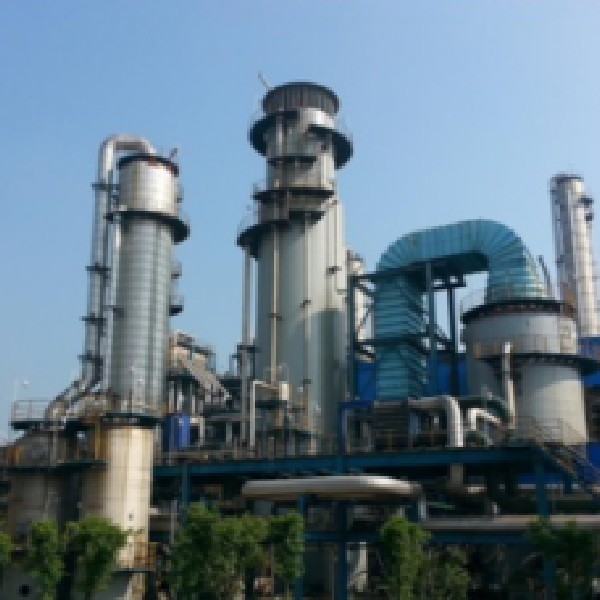
MPS decarbonization technology
This technology is used to extract the greenhouse gas CO2 from flue gases, and the recovered CO2 can be used to solve the carbon imbalance problem in methanol or urea using natural gas as a feedstock.
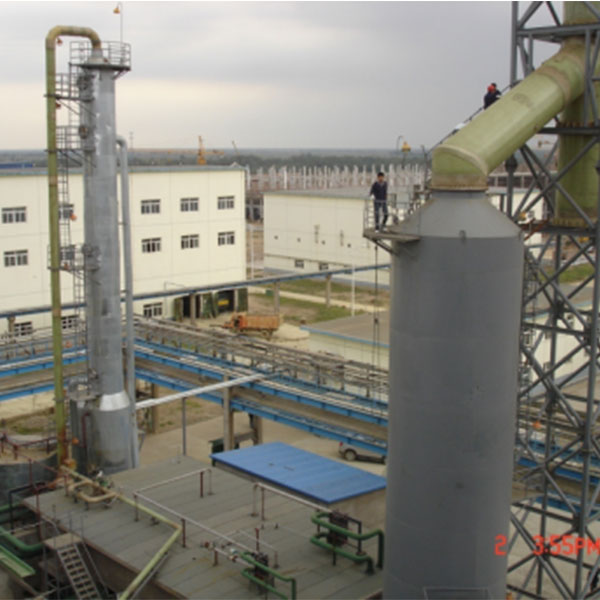
Ionic liquid desulfurization technology
Ionic liquid house gas desulphurization technology is mainly designed to treat and utilize sulfur dioxide in flue gas and other industrial waste gases. The most important feature of the technology is that, simultaneously with the removal of sulfur dioxide from the flue gas, high-purity sulfur dioxide (>99.5%) is produced by-product and sulfur pollutants are recycled. High-purity sulfur dioxide can serve as an excellent raw material for the production of liquid sulfur dioxide, sulfuric acid, sulfur and other chemical products.
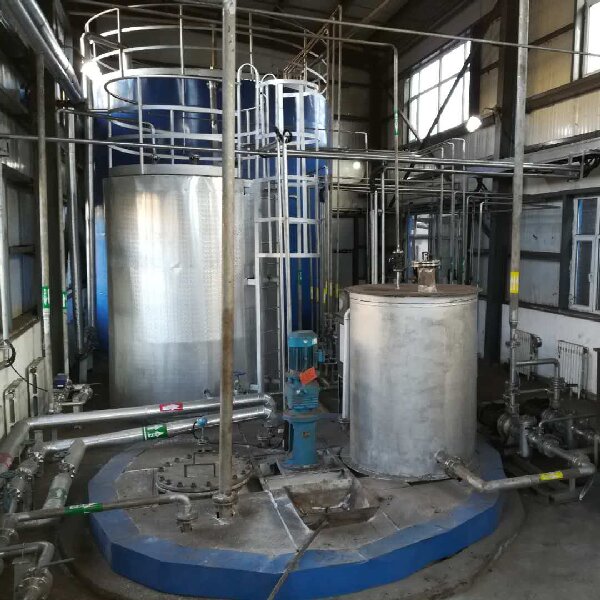
Flue gas denitrification SCR、SNC
Technology Description Technology Description There are two main denitration methods (1) Selective Catalytic Reduction (SCR) technology and (2) Selective Non-Capital Reduction (SNCR) technology.
Ecology
Professionalism is the basis of technology. Strong technology, practical effect, excellent service, and set the standard.