

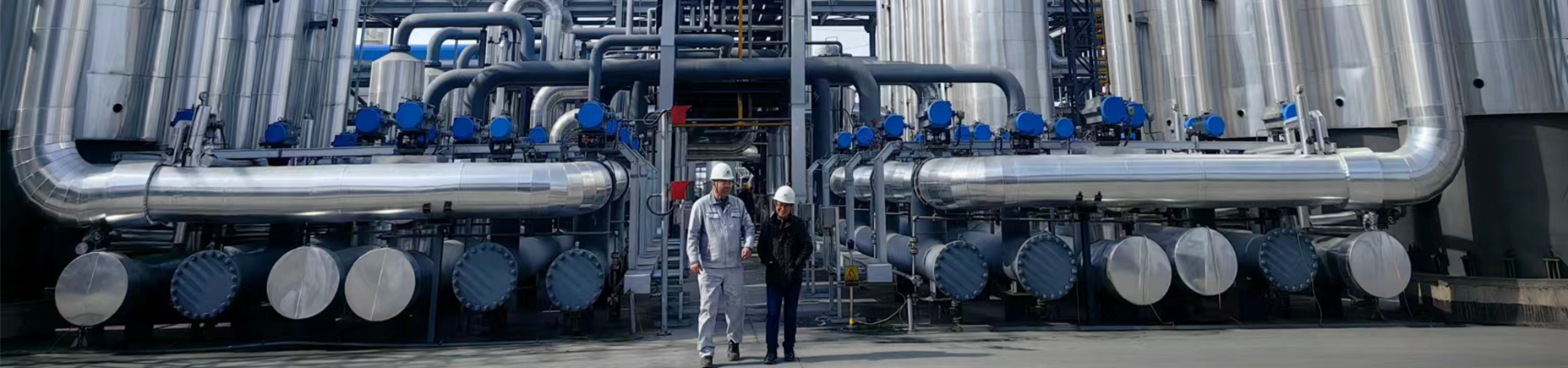
Ionic liquid desulfurization technology in China
Ionic liquid desulfurization technology in China
China, which is actively developing its industry, faces a serious problem of environmental pollution, including sulfur emissions from industrial enterprises. The search for effective and environmentally friendly desulfurization methods is becoming increasingly important. One promising technology that is gaining popularity in China is desulfurization using ionic liquids.
Operating principle and advantages
Ionic liquids are special organic compounds that are liquid at room temperature. They have unique properties, including high dissolving ability for hydrogen sulfide and other sulfur compounds. During the desulfurization process, the ionic liquid interacts with the emissions, effectively absorbing and binding sulfur. This allows you to obtain clean gas, minimizing the harmful impact on the environment. An important advantage of the method is that ionic liquids are relatively stable and can be reused, reducing processing costs.
Technology Development in China
China is actively investing in research and development in the application of ionic liquids for desulfurization. Scientific institutes and large industrial enterprises are conducting joint projects aimed at optimizing technologies and creating specialized installations. In recent years, significant advances have been made in the development of effective ionic liquids for various types of emissions. In particular, China is committed to indigenous technology and production of ionic liquids to reduce its dependence on imports.
Prospects and challenges
The application of ionic liquid desulfurization technology in China has great potential. This will improve the environmental situation, reduce emissions of harmful substances and create new jobs in the industry. However, there are some challenges facing the implementation of the technology at a broad industrial level. This is, first of all, the cost of producing ionic liquids and the development of optimal solutions for specific types of industrial enterprises. In addition, additional studies are needed to evaluate long-term stability and safety of use. Despite these challenges, China is moving forward confidently to use this promising method to solve important environmental problems. The future is clean air, and China is ready to contribute to this important cause.
Correspondingproducts
Related Products
Best Sellingproducts
Best Selling Products-
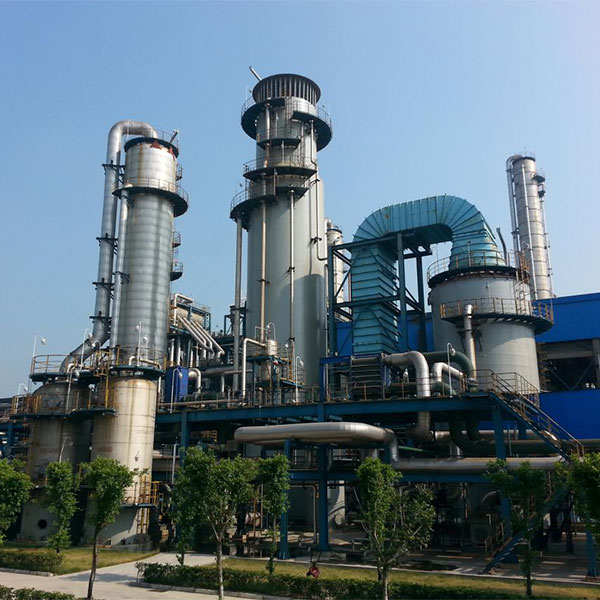 Wet CO2 removal technology
 -
 Hydrogen purification technology by pressure swing adsorption
 -
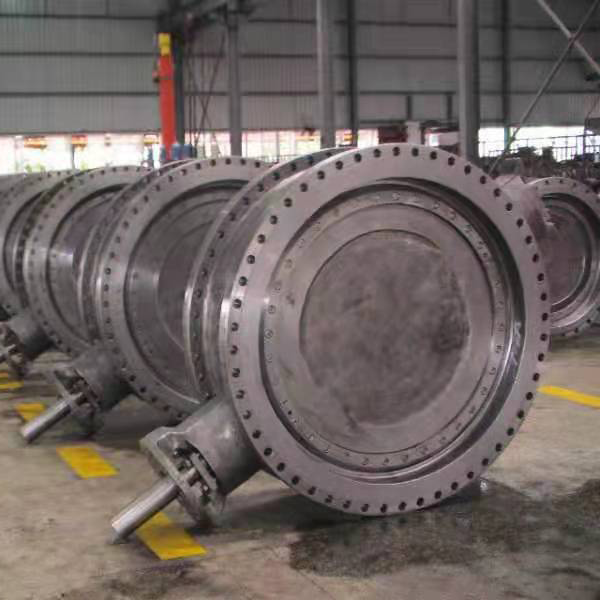 Valve
Valve -
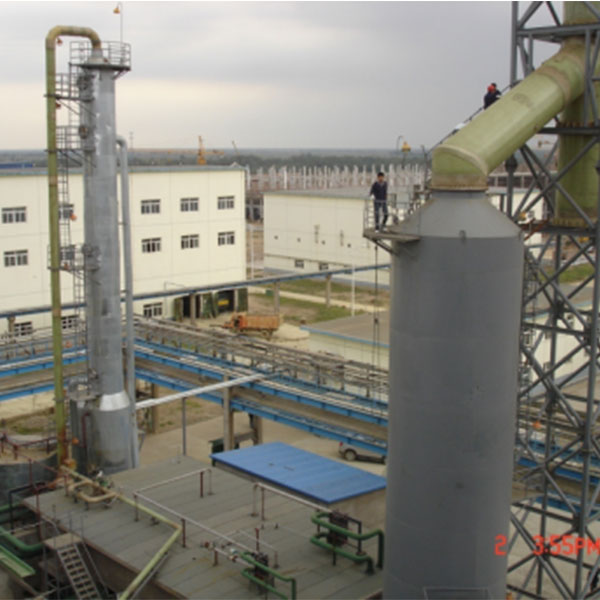 Ionic liquid desulfurization technology
 -
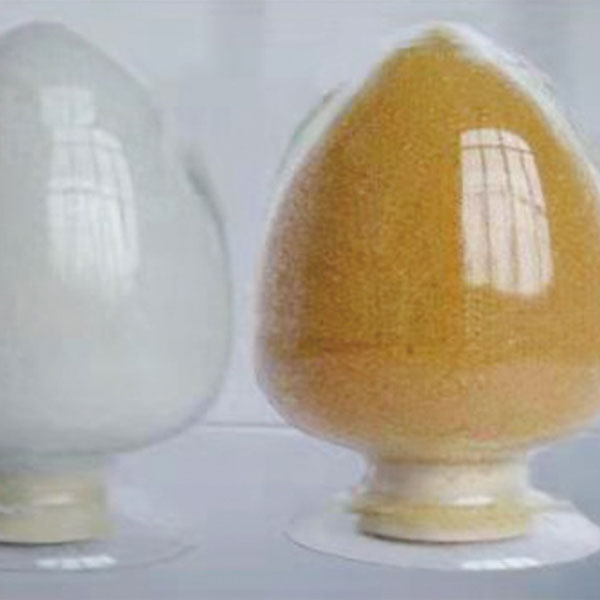 Unit desalting and demineralization equipment and special resin
 -
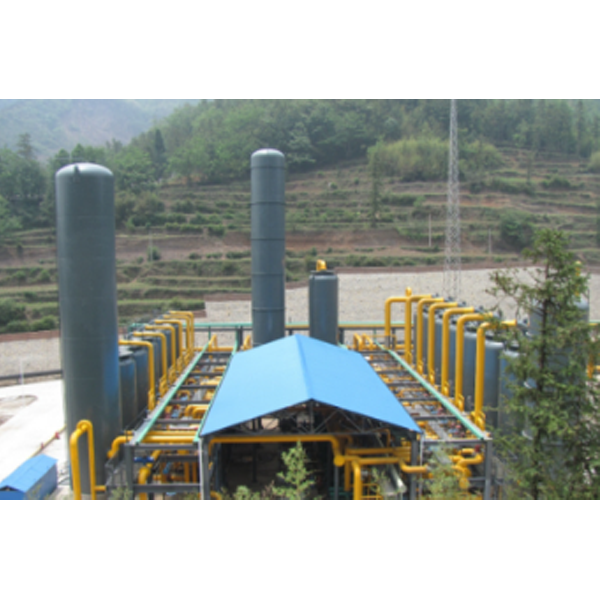 Methane extraction technology – coalbed methane
 -
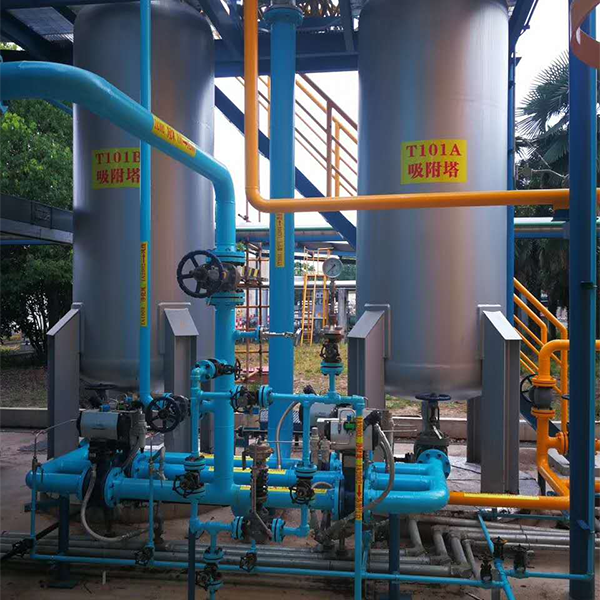 Nitrogen production by pressure swing adsorption
 -
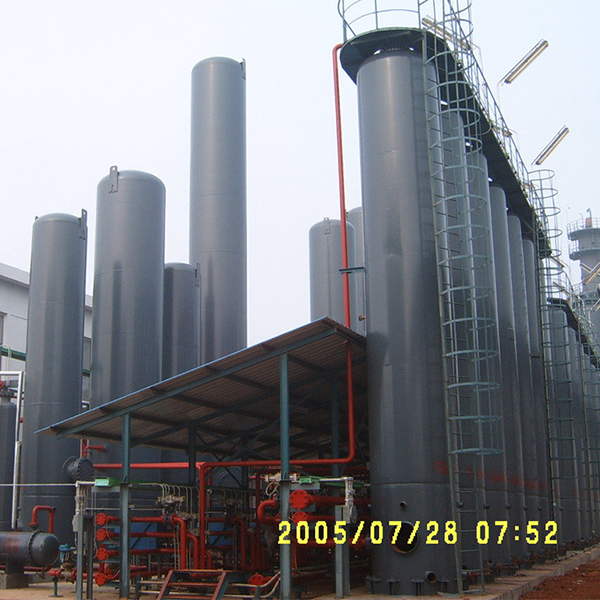 CO removal by pressure swing adsorption
 -
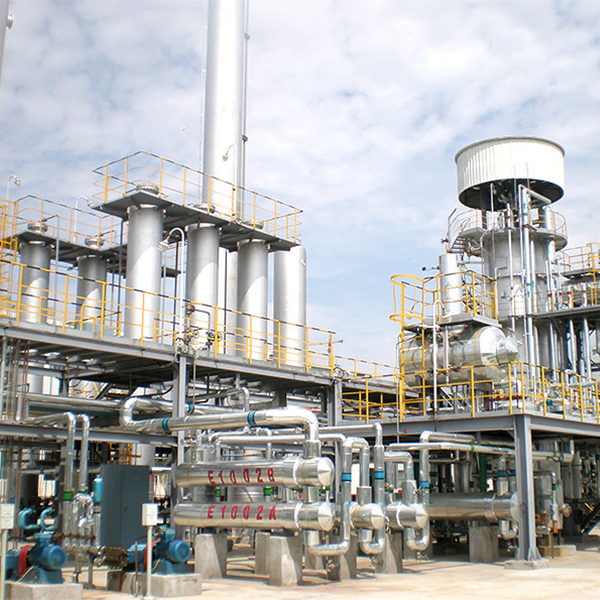 Hydrogen production by conversion of light hydrocarbons with steam
 -
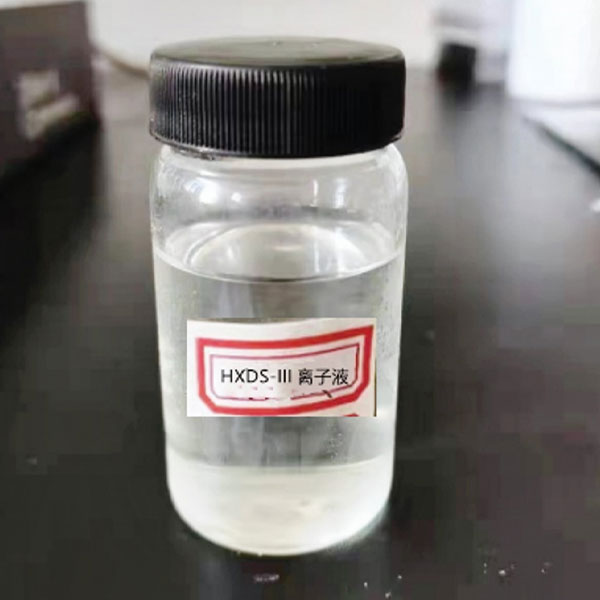 Ionic liquid desulfurizer
 -
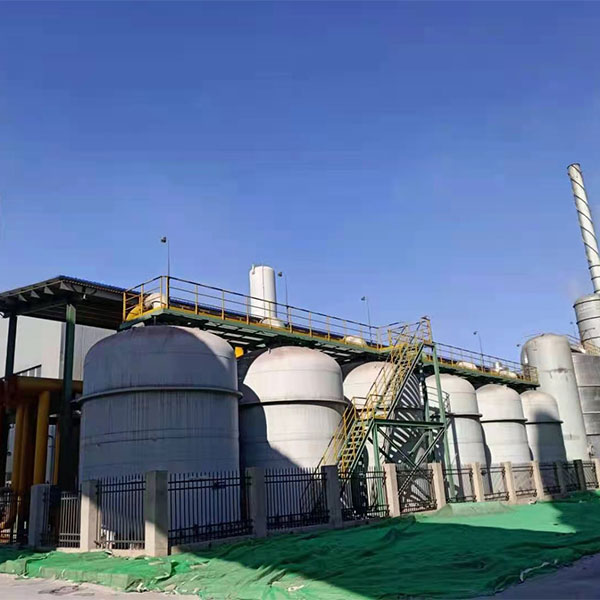 CO2 removal by pressure swing adsorption
 -
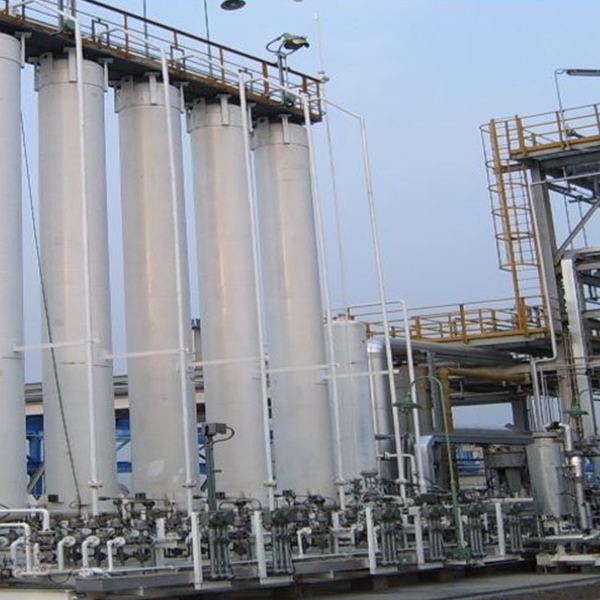 Argon purification
Relatedsearch
Related Search- China gas adsorbents price
- Argon purification
- China Domestic Natural Gas Liquefaction Suppliers
- adsorbents examples wholesale
- China Oxygen Production by Pressure Swing Adsorption Suppliers
- adsorbent tablets factory
- China solenoid valve factory
- China desiccant desiccant price
- China CO2 desulfurization and removal technology using NHD method factories
- China Wet Method CO2 Removal Technology Supplier