

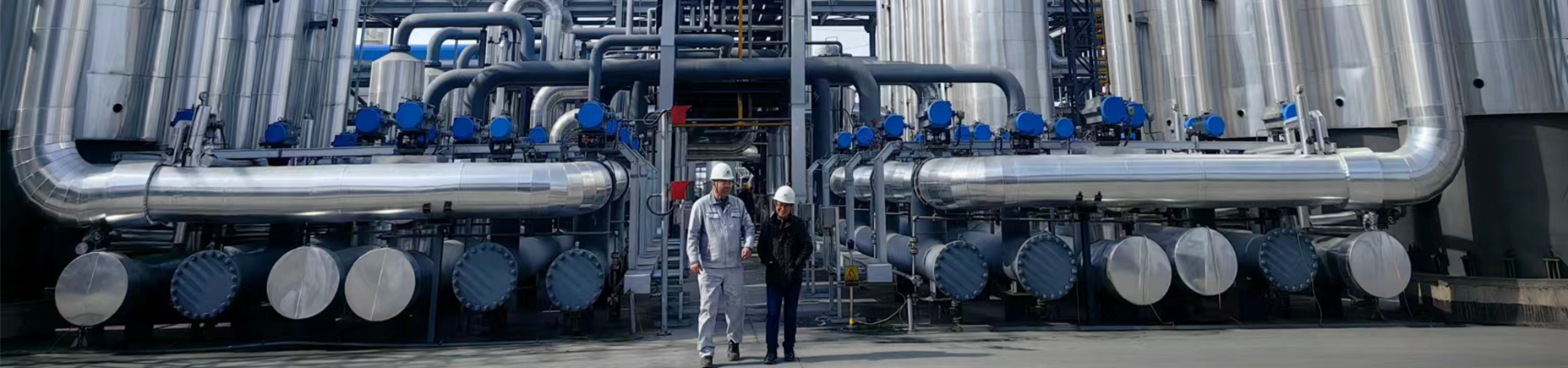
Hydrogen purification technology by pressure swing adsorption in China
Hydrogen purification technology by pressure swing adsorption in China
Hydrogen is the fuel of the future, and its pure form is essential for safe and efficient use. In China, which is actively developing its hydrogen economy, pressure swing adsorption (PSA) technology plays a key role in hydrogen purification. This method, simply put, allows you to catch impurities from hydrogen using special materials - adsorbents. Imagine a sponge that absorbs dirt from water - this is a kind of analogy for the process.
Basic principles of the PSA method
The PSA method is based on the property of certain materials to absorb certain gases under certain conditions of pressure and temperature. In the case of hydrogen, adsorbents are selected so that they strongly attract impurities (for example, carbon dioxide or nitrogen), while the hydrogen remains pure. The operating cycle of the technology includes several stages: increasing the pressure in the system, absorbing impurities by the adsorbent, decreasing the pressure, and releasing the adsorbent from captured impurities. This cycle is repeated many times, providing increasingly pure hydrogen.
Technology Development in China
China is actively investing in research and development in the field of PSA for hydrogen purification. The desire for independence in the production and use of hydrogen, as well as large-scale government support for renewable energy projects, are driving the growth of this technology. Scientists and engineers in China are working to improve materials, reduce process energy consumption and increase the productivity of PSA plants. This is important to reduce the cost of producing clean hydrogen and its subsequent use.
Application prospects and conclusions
The application of PSA for hydrogen purification in China has a wide range of prospects. From hydrogen production for use in fuel cells to applications in a variety of industrial processes. An environmentally friendly and energy efficient approach to hydrogen purification is becoming increasingly important for developing a sustainable energy future. Continued research and innovation in this area will allow China to take a leading position in the hydrogen sector and make a significant contribution to the global energy transition. We hope that PSA technology will become even more efficient and accessible in the near future, opening up new opportunities for the use of hydrogen in various fields.
Correspondingproducts
Related Products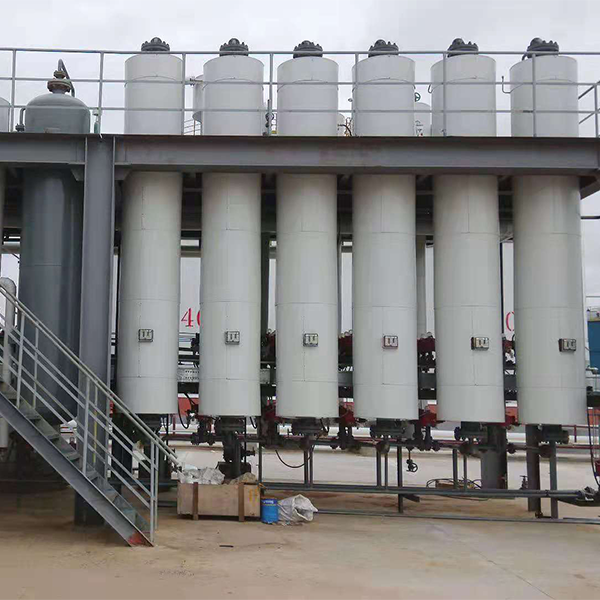
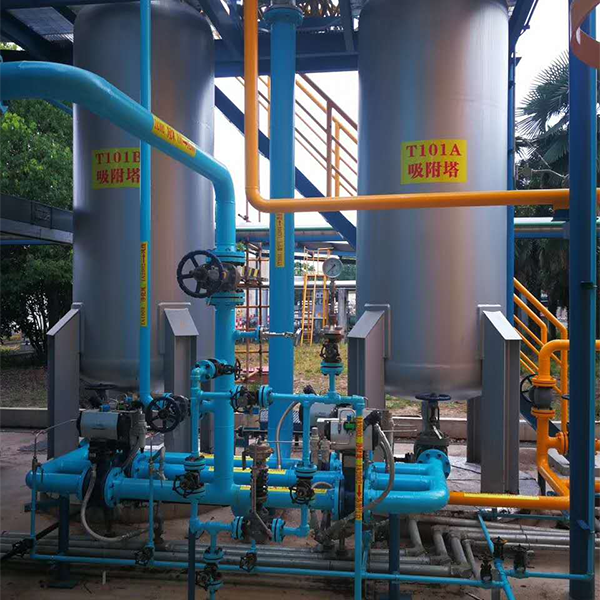
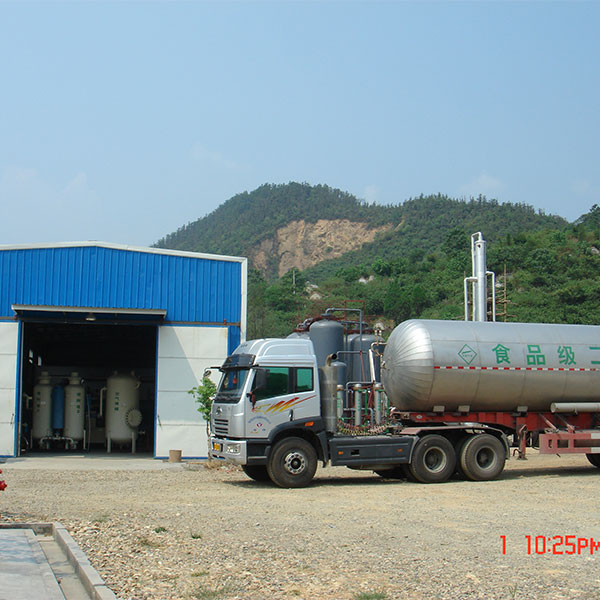
Best Sellingproducts
Best Selling Products-
 Oxygen purification and utilization
 -
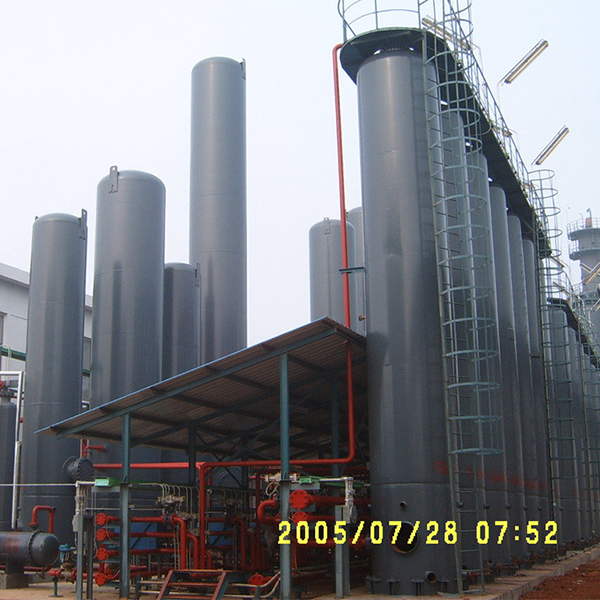 CO removal by pressure swing adsorption
 -
 Ionic liquid desulfurization technology
 -
 Hydrogen production by conversion of light hydrocarbons with steam
 -
 Wet CO2 removal technology
 -
 Coal gas organic sulfur fine removal technology
 -
 Ionic liquid desulfurizer
 -
 Waste acid regeneration
 -
 Ethylene tail gas recovery
 -
 MEA-MDEA-NHD Desulfurization Technology
 -
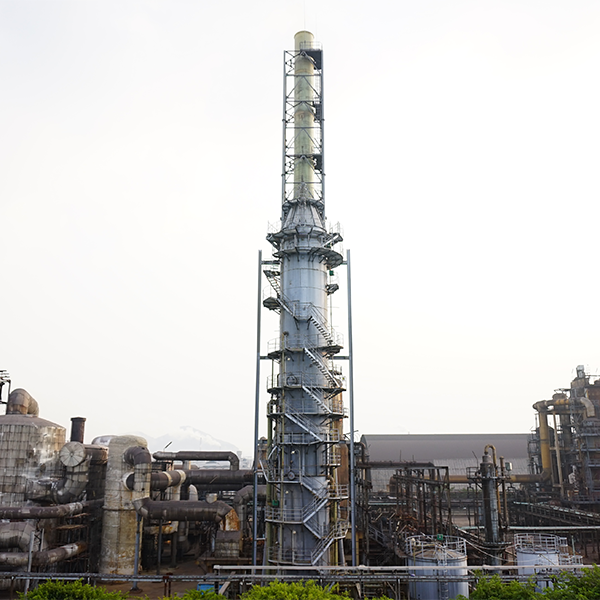 Flue gas desulfurization technology using ammonia
 -
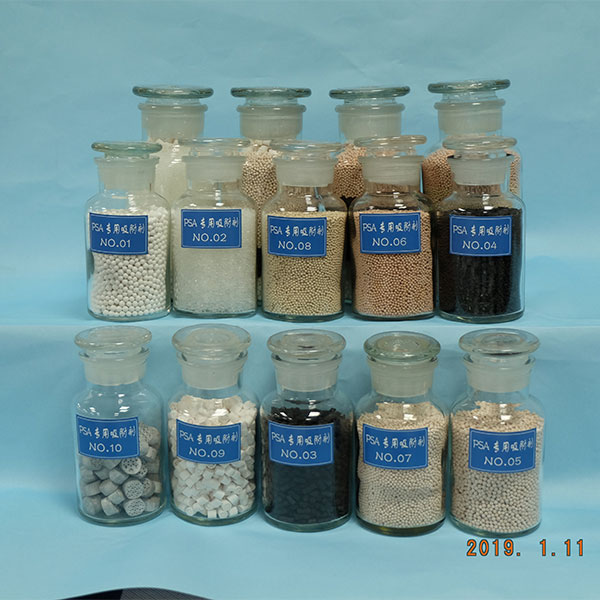 absorbent
Relatedsearch
Related Search- China CO2 flue gas recovery technology exporters
- China Pressure Valve Manufacturer
- China Fuel Valve Supplier
- China natural gas liquefaction pressure factories
- China best adsorbent Main buyer country
- China poisoning adsorbents factories
- China Special Acid Regeneration Equipment Main Buyer Country
- air adsorbents supplier
- What is the liquefaction of natural gas called?
- adsorbents for poisoning