

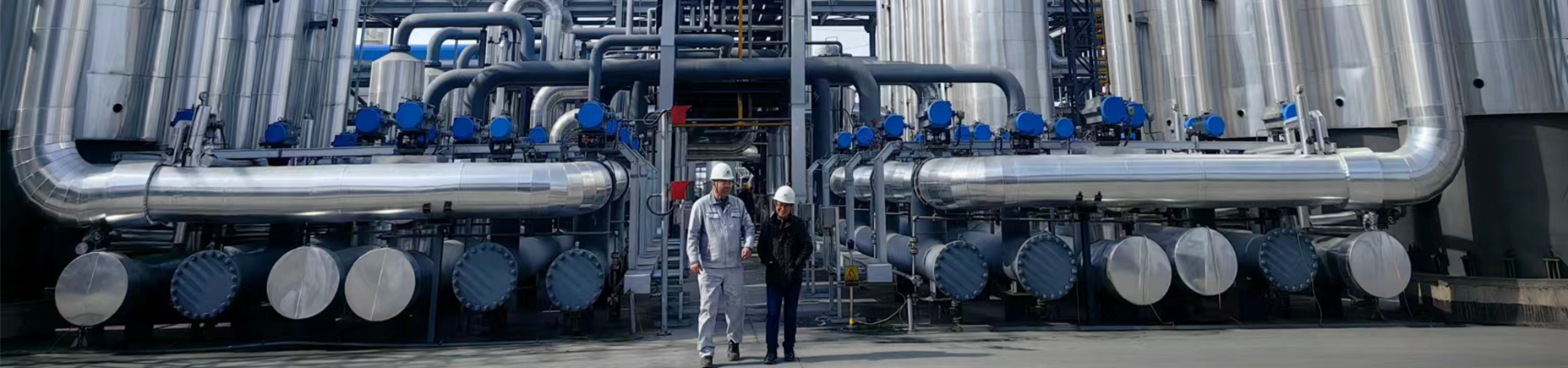
What is the liquefaction of natural gas called?
Liquefaction of natural gas: how does it work?
Natural gas, an important source of energy, is often transported over long distances. But transporting it in gaseous form is quite difficult and expensive. Therefore, natural gas is liquefied for economical and safe transportation. This is a process that allows you to reduce its volume hundreds of times, and make it convenient for storage and transportation in special tankers. Imagine squeezing a balloon, only on a much larger scale.
Why is liquefaction necessary?
Liquefied natural gas (LNG) can significantly reduce the volume of transported fuel. This makes transportation much more efficient in terms of fuel and transport costs. Natural gas is a valuable resource, and the ability to transport it over long distances without large losses is extremely important for providing energy to various regions, especially those that do not have their own gas fields. Imagine how many people and industrial enterprises depend on a stable supply of energy!
Liquefaction process: from gas to liquid
The process of liquefying natural gas is based on cooling the gas to very low temperatures. It takes place in several stages: the gas is cleaned of impurities, then cooled to -162 degrees Celsius. At this temperature, natural gas turns into a colorless liquid that occupies a much smaller volume. Due to this, transportation becomes more cost-effective, since transportation requires a smaller volume of special tankers. LNG is a liquid with a fairly low temperature, so it is very important to ensure safety at all stages of storage and transportation. It is important to consider that liquefied gas, returning to a gaseous state, can create additional volume, which is taken into account during its storage and use. This allows us to ensure a safe and reliable supply of energy, and we can be confident that entire regions will continue to operate without interruption.
Correspondingproducts
Related Products
Best Sellingproducts
Best Selling Products-
 Waste acid regeneration
 -
 Vinyl chloride recycling technology
 -
 Oxygen purification and utilization
 -
 Argon purification
 -
 Battery material precursor production technology
 -
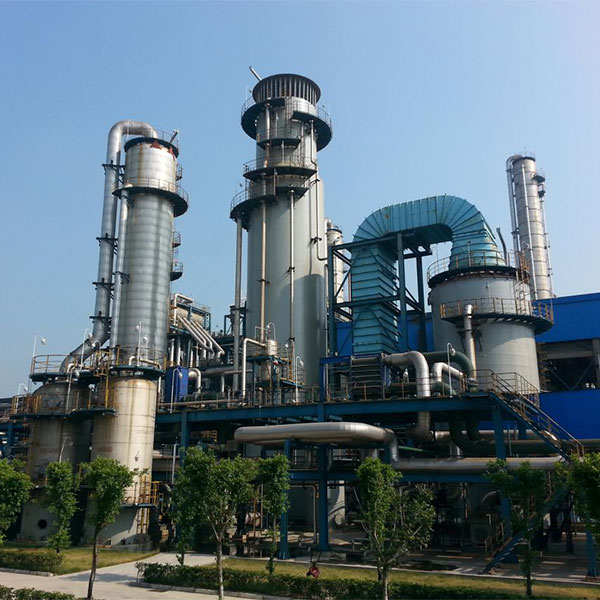 Wet CO2 removal technology
 -
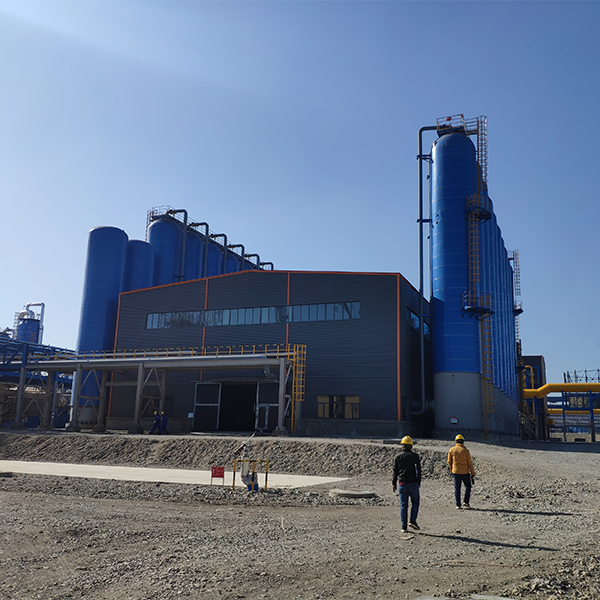 Hydrogen production by coal gasification
 -
 Hydrogen purification technology by pressure swing adsorption
 -
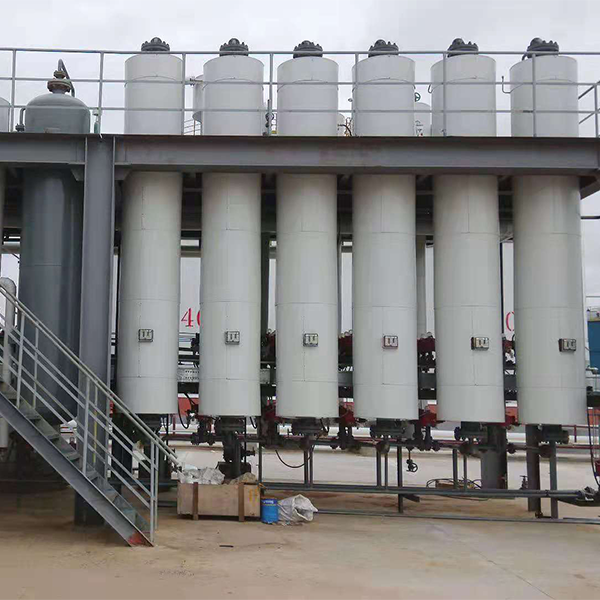 Hydrogen production by splitting methanol
 -
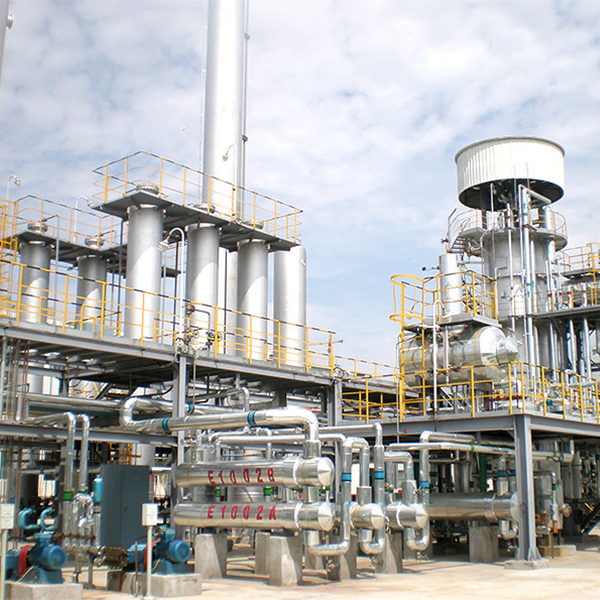 Hydrogen production by conversion of light hydrocarbons with steam
 -
 Liquefaction of natural gas
 -
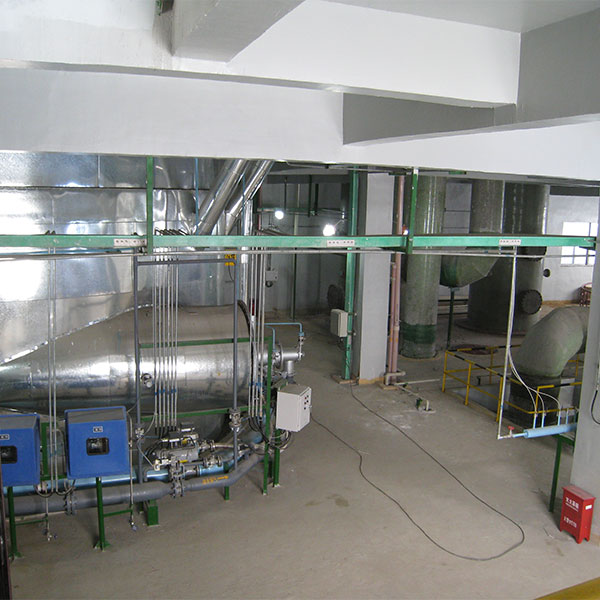 Special acid regeneration equipment
Relatedsearch
Related Search- adsorbents for poisoning in China
- China Adsorbents List Manufacturers
- China Liquefied Natural Gas Exporter
- Hydrogen purification technology by pressure swing adsorption manufacturer
- Special acid regeneration equipment wholesale
- Adsorbent price
- China adsorbent application Manufacturer
- China Air Conditioner Valve Suppliers
- China Adsorbent Products
- China adsorbents examples Main buyer country