

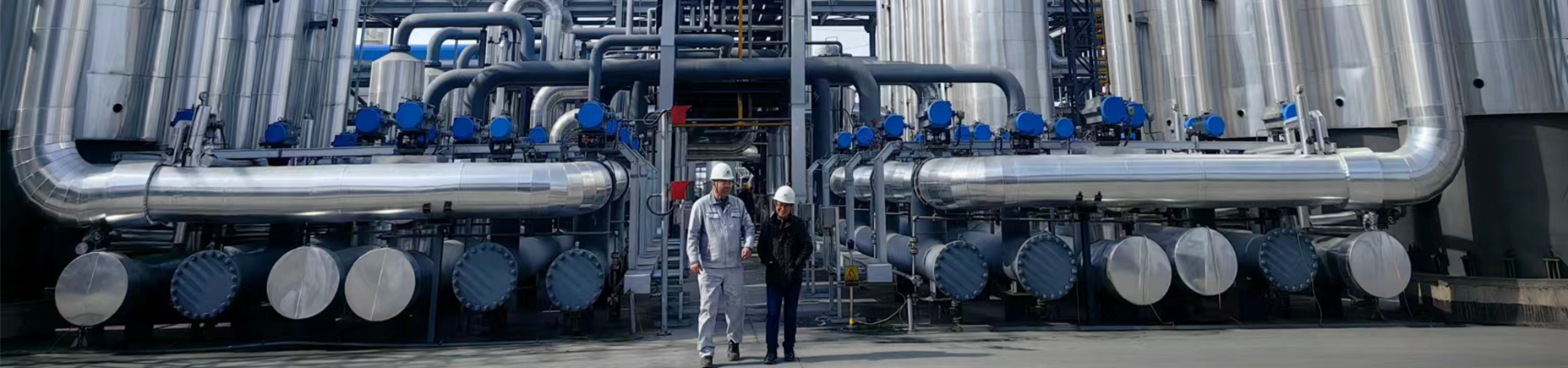
Technology for the production of precursor for battery materials
When they talk about precursors for cathode materials, many people immediately think about the composition - NCM, NCA, LFP. But the production technology itself is not just mixing salts in a reactor. This is a chain where each step, from raw material to drying, affects the morphology of the particles, and therefore the final characteristics of the battery. A common mistake is to focus only on the purity of the chemicals, while overlooking the parameters of crystallization and agglomeration. At Chengdu Yizhi Technology Co., Ltd., as a design institute created on the basis of Huaxi Technology, we have been faced with precisely such nuances since 2013 - when the theoretically correct composition did not provide the required energy density or cycle stability.
Raw materials and first steps: where the unobvious defect lies
I'll start with the banal: sulfates, nitrates, hydroxides - the choice of precursor salt depends not only on cost. Nitrates, for example, give faster kinetics of the precipitation reaction, but require strict control of temperature and pH, otherwise, instead of spherical aggregates, a needle-shaped precipitate is obtained, which then kills the packing density of the electrode. We at Yizhi Technology went through this - one of the early projects on NCM 622 stumbled precisely on this. Laboratory samples were ideal, but when scaled up on a pilot line, the particles lost their sphericity. It turned out that the problem was in local concentration differences when feeding the solution into the reactor - the equipment did not have time to ensure ideal mixing.
And here’s another point that is often missed in articles: water quality. Yes, deionized water is standard. But its residual electrical conductivity and oxygen content can affect the oxidation of manganese or cobalt ions at the synthesis stage. Particularly critical for high nickel content compounds where valence stability is key to long cycle life. At our site in Chengdu, we introduced additional deaeration of the flow before feeding it into the reactor - a seemingly insignificant detail, but it made it possible to reduce the variation in lithium content in the finished precursor after calcination.
And there is also a story with suppliers. Not all nickel or cobalt sulfates are created equal. Content of sodium, calcium, magnesium - even trace amounts of these elements can migrate into the final cathode material and act as degradation centers. Therefore, our institute always insists on a full package of analyzes not only for base metals, but also for impurities. And here, Huaxi Technology’s experience in chemical technologies is very helpful - they have developed methods for deep purification of raw materials, which we adapt for specific projects.
Sedimentation Reactor: The Art of Aggregation Control
The heart of the process is the co-precipitation reactor. Everyone knows about controlling pH, temperature, and reagent supply speed. But few people talk openly about the problem of sediment sticking to the stirrer and walls. This is not just a loss of product - it is a change in hydrodynamics in the reactor, which leads to an increase in the polydispersity of particles. In some of our tests we had to experiment with blade material and reactor coating to minimize adhesion. Not always successful - one version of the Teflon coating eventually peeled off in microflakes and contaminated the product.
The aggregation of primary nanocrystals into spherical secondary particles is perhaps the most delicate point. The mixing speed, the concentration of ammonia as a complexing agent, the residence time - everything is interconnected. It happens that you increase the speed of the mixer to break up large agglomerates, but at the same time you accelerate the kinetics of deposition, and the particles turn out to be too dense, with low porosity. And this is then bad for impregnation with the lithium mixture during calcination. An ideal precursor is not just a sphere, it is a sphere with an optimal internal structure. For some customers, we specially developed modes with cyclic changes in pH in a narrow range in order to obtain a gradient density of the agglomerate - a denser core and a loose shell.
Online monitoring is also worth mentioning here. Installation of pH and redox potential sensors is the norm. But a truly stable process requires real-time control of particle size, such as laser diffraction. This is expensive, and not every plant goes to such expense. At Yizhi Technology, we use such a system in our pilot plant, and the data from it is a golden fund for debugging the technology. Allows you to catch the moment of the beginning of uncontrolled aggregation or, conversely, particle crushing.
Filtration, washing, drying: invisible quality losses
After the reactor - it would seem, mechanics. But no. Filtration and washing are the removal of sulfate or nitrate ions, as well as ammonia. If rinsing is ineffective, residual sulfates during calcination will produce sulfur oxides, which can react with lithium to form lithium sulfates on the surface of the particles - a capacity killer. We encountered this when we tried to shorten the flush cycle to save water. The savings backfired - the precursor batch showed a high impedance after the cathode was manufactured. We had to return to multi-stage countercurrent washing with control of the filtrate conductivity.
Drying is another critical step. Spray drying is standard. But the temperature at the inlet and outlet of the drying tower determines not only the residual moisture, but also the degree of agglomeration of already dried particles. Too high a temperature - the particles sinter, forming hard lumps that then do not break down. Too low - the powder is hygroscopic and gains moisture during storage. We spent a long time selecting the regime for the NCA precursor in order to preserve the loose structure of the agglomerates. The method of supplying the suspension to the atomizer is also important - clogging of the nozzles leads to droplets of different sizes and, as a result, to a wide distribution of particle sizes.
Storage of the intermediate product is a topic for a separate discussion. The precursor is hygroscopic, especially those containing nickel. Packaging in big bags with a double polyethylene liner and an inert atmosphere is a necessity, not a luxury. There was a case at one of the partner enterprises where the bags were stored in a substandard warehouse. After a month, the moisture content of the powder increased by 0.5%, which led to clumping and problems with the uniformity of mixing with the lithium-containing reagent in the next step.
Calcination and subsequent transformations
The precursor itself is not yet a cathode material. It is a mixed hydroxide or carbonate. The key step is a solid-phase reaction with a lithium salt (most often Li2CO3 or LiOH). Here the production technology of the precursor shows how good it was. Heterogeneity in particle size or residual impurities lead to incomplete lithiation or local overheating. The oven, the atmosphere (oxygen or air), the temperature profile are all important.
In our projects, we often encounter requests to reduce the calcination temperature to save energy. But for dense, low-porosity precursor particles obtained under aggressive deposition conditions, this may not work—lithium will not have time to diffuse into the particle core. The result is a material with lithium deficiency in the center of the granules. Therefore, sometimes it is necessary to recommend not lowering the temperature, but modifying the deposition process itself in order to obtain a more suitable morphology. This is systematic work.
After calcination, crushing, classification, and sometimes coating. And here again the defects introduced at the precursor production stage emerge. If there were hard sintered agglomerates after drying, they will turn into the same hard lumps after calcination, and it will be extremely difficult to crush them evenly to the desired fraction. Mixing with aluminum oxide for coating will also be uneven. Everything starts from the beginning of the chain.
Final Thoughts: Why the Project Approach Makes the Difference
So, the technology for producing a precursor is not a set of recipes. This is an understanding of the relationships between chemistry, fluid dynamics, heat and mass transfer and materials science. An error at any stage will come back to haunt the final product, and often its cause is sought in a place other than where it occurred. That's why Chengdu Yizhi Technology Co., Ltd. We work as a design institute - we can trace the entire chain, from the selection of raw materials to the testing of the finished cathode material, and find the root cause of the problem.
Our capital of 120 million yuan and the base in the form of Huaxi Technology allow us not just to theorize, but to conduct tests on real equipment, up to a pilot scale. It's priceless. You can read dozens of articles, but only when you see how the color of the suspension in the reactor changes when the dosage fails, or you feel the difference in the flowability of two batches of powder that came from different lines - only then does that same professional instinct appear.
Now there is a lot of noise around new compositions - high-nickel NCM, cobalt-free materials. But the basis for them is still the same - a high-quality, reproducible, micro-controlled precursor. Without a deep study of its production technology, all ambitious statements about energy density and durability will remain on paper. And our experience, including the failures we mentioned, is the best confirmation of this. The work continues, and the main discoveries often lie in correcting small, non-obvious shortcomings.
Correspondingproducts
Related Products
Best Sellingproducts
Best Selling Products-
 Oxygen production by pressure swing adsorption
 -
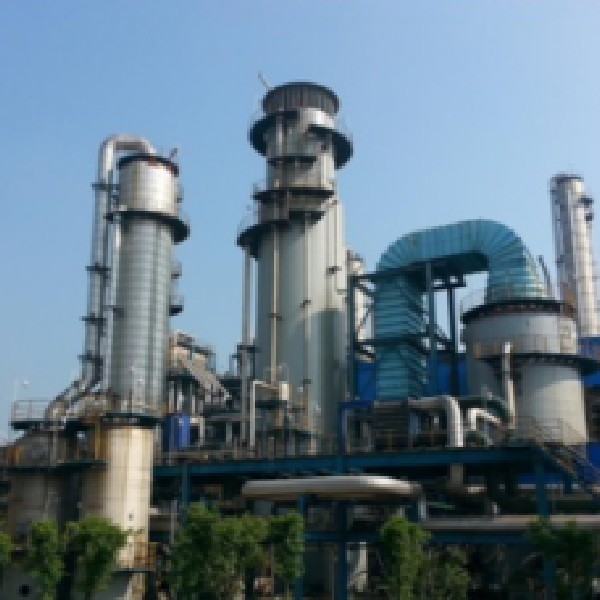 MPS decarbonization technology
 -
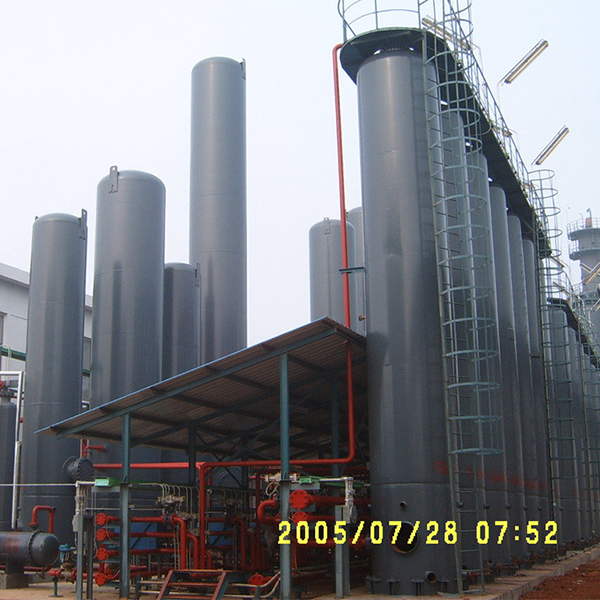 CO removal by pressure swing adsorption
 -
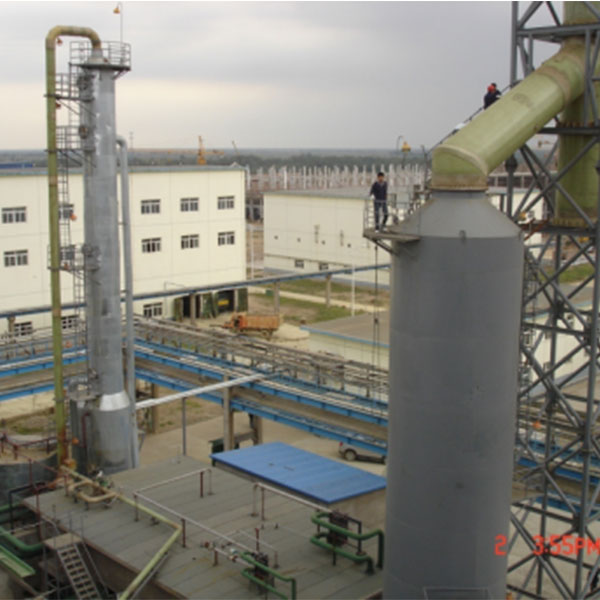 Ionic liquid desulfurization technology
 -
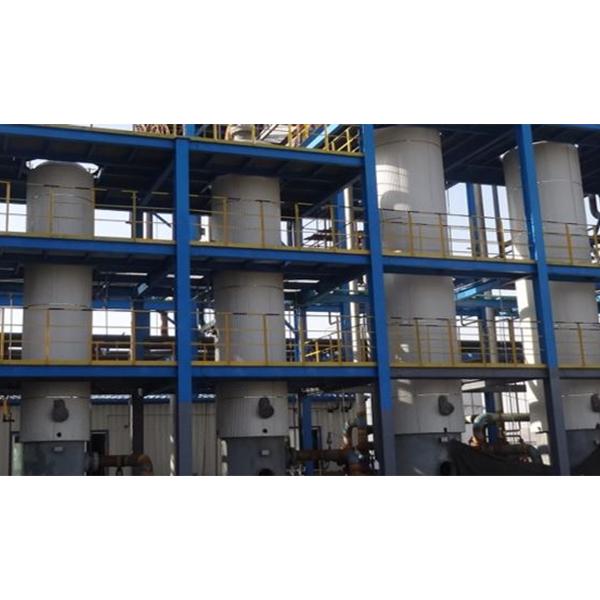 Coal gas organic sulfur fine removal technology
 -
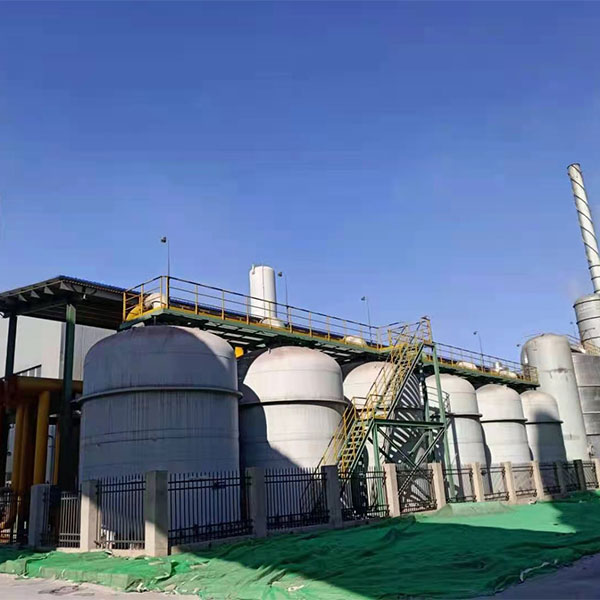 CO2 removal by pressure swing adsorption
 -
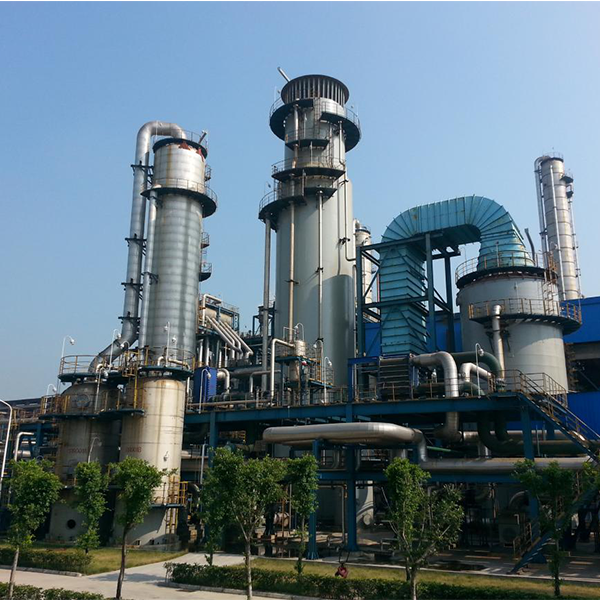 MEA-MDEA-NHD Desulfurization Technology
 -
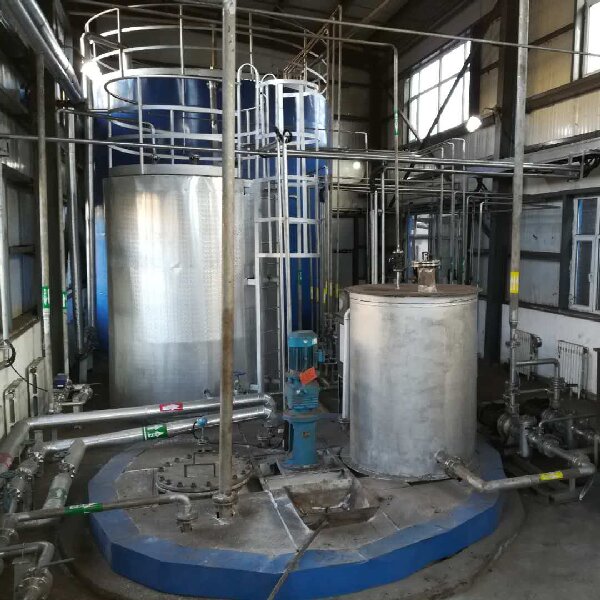 Flue gas denitrification SCR、SNC
 -
 Methane extraction technology – coalbed methane
 -
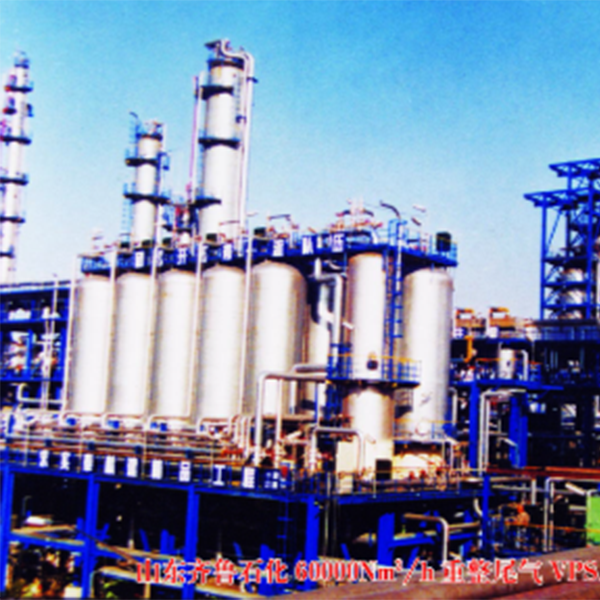 Hydrogen purification technology by pressure swing adsorption
 -
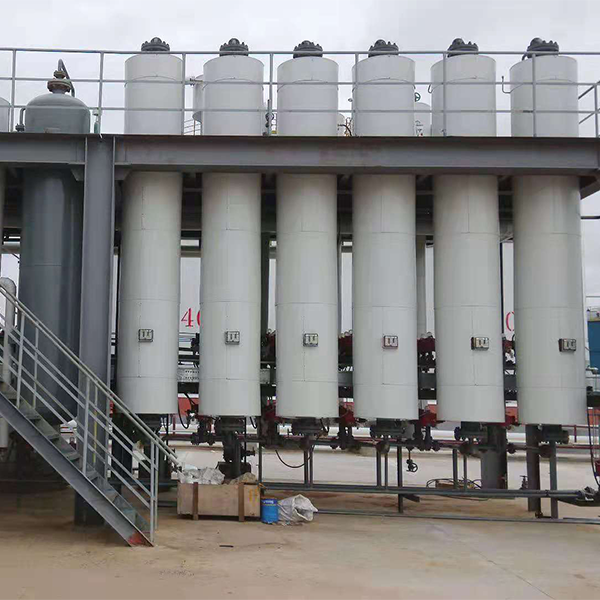 Hydrogen production by splitting methanol
 -
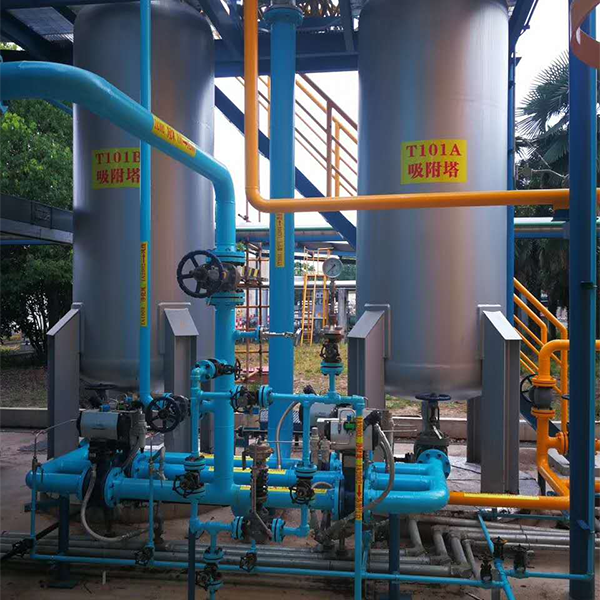 Nitrogen production by pressure swing adsorption