


Nitrogen production by pressure swing adsorption in China
Nitrogen production by pressure swing adsorption in China
China, as one of the world's leading producers, is actively developing nitrogen production technologies. One key technique is pressure swing adsorption (PSA). This method, due to its cost-effectiveness and relatively low energy consumption, is becoming increasingly popular. Let's look at how this plays out in the context of Chinese manufacturing.
PSA technology: operating principle
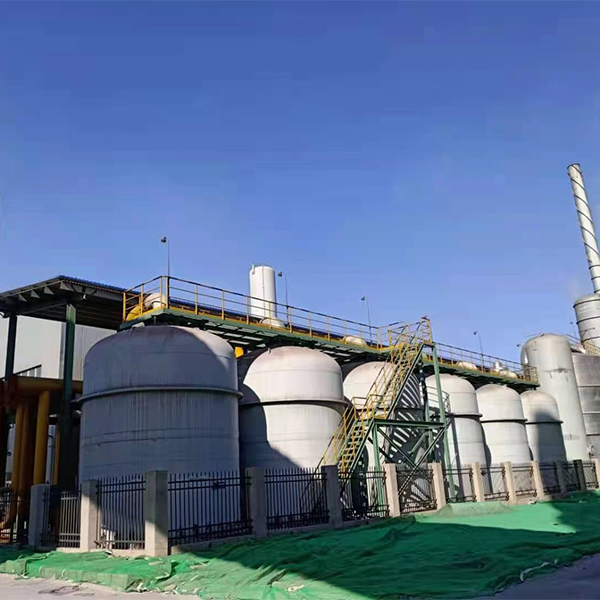
PSA is based on the principle of using special adsorbents (for example, molecular sieves). These materials are capable of selectively adsorbing nitrogen from a mixture of gases, mainly from air. The process occurs in cycles: first, the adsorbent is filled with nitrogen under high pressure, and then, under reduced pressure, the nitrogen is extracted and supplied as the final product. This is repeated cyclically. Simply put, it’s like “pumping” and “pumping” nitrogen out of the air using special filters.
Chinese experience and prospects
Chinese companies are actively investing in the development and modernization of PSA technologies. Efforts are aimed at improving process efficiency, reducing energy costs and increasing the yield of high-quality nitrogen. This is important for various industries, including metallurgy, food processing and medicine. The development of these technologies makes it possible to reduce dependence on imports and ensure domestic demand for nitrogen. As a result, new jobs are created and a favorable climate for innovation is created.
Advantages and disadvantages in the Chinese context
The advantages of the PSA method are obvious: relative ease of installation, flexibility, increased efficiency compared to other methods and high purity of the nitrogen produced. However, to achieve high efficiency, proper selection of adsorbents and optimal control of adsorption cycles are important. The Chinese experience shows that additional research and development in this area is the key to further progress. In addition, it is important to take into account the environmental component - the development and implementation of technologies that minimize the negative impact on the environment. Chinese producers are therefore seeking a balance between economic efficiency and environmental responsibility in nitrogen production.
Correspondingproducts
Related Products
Best Sellingproducts
Best Selling Products-
 Oxygen purification and utilization
 -
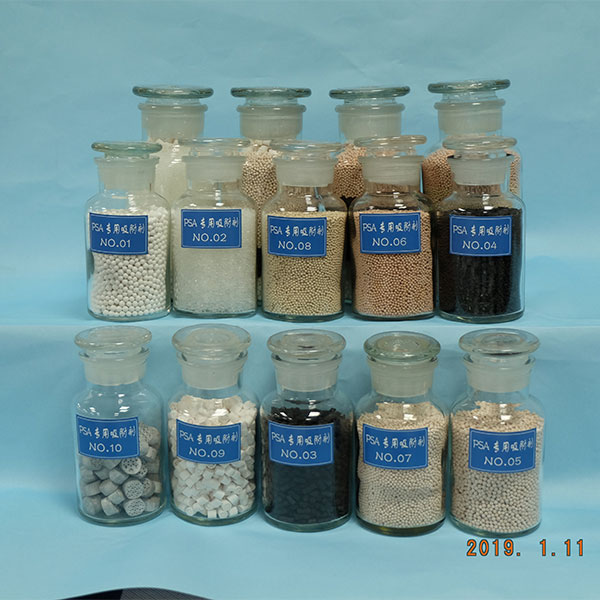 absorbent
 -
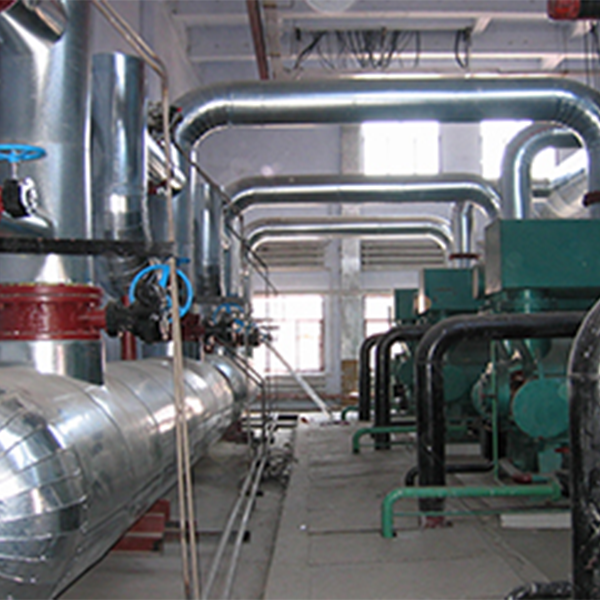 Oxygen production by pressure swing adsorption
 -
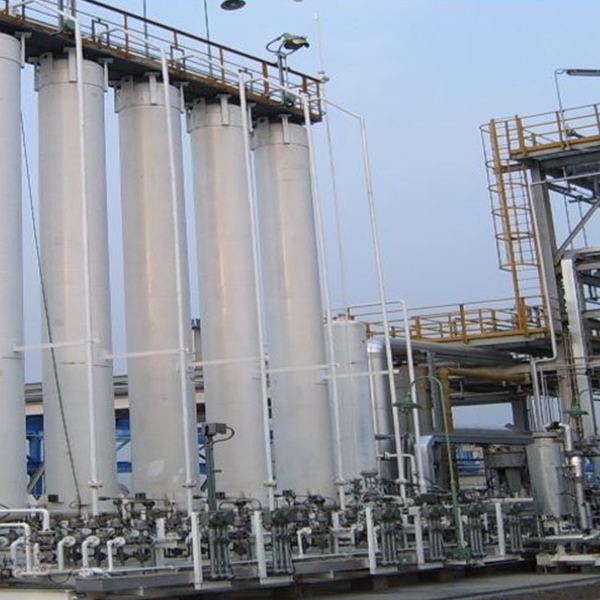 Argon purification
 -
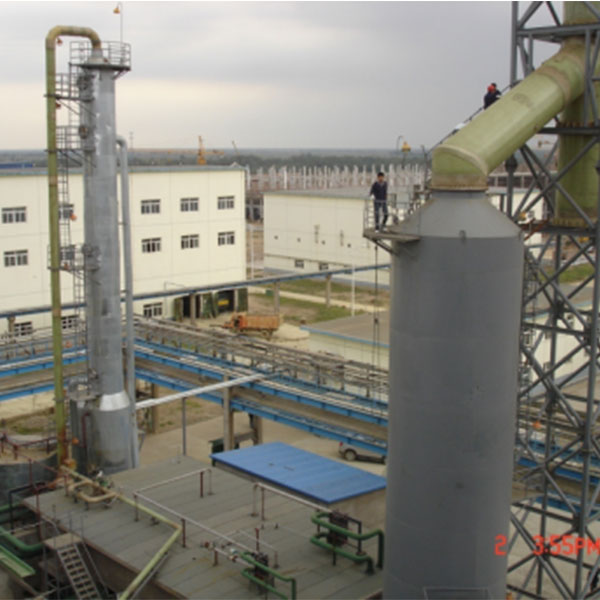 Ionic liquid desulfurization technology
 -
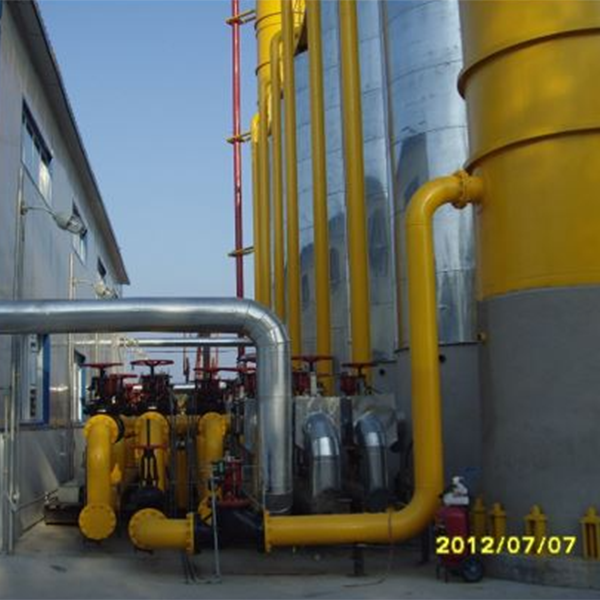 Vinyl chloride recycling technology
 -
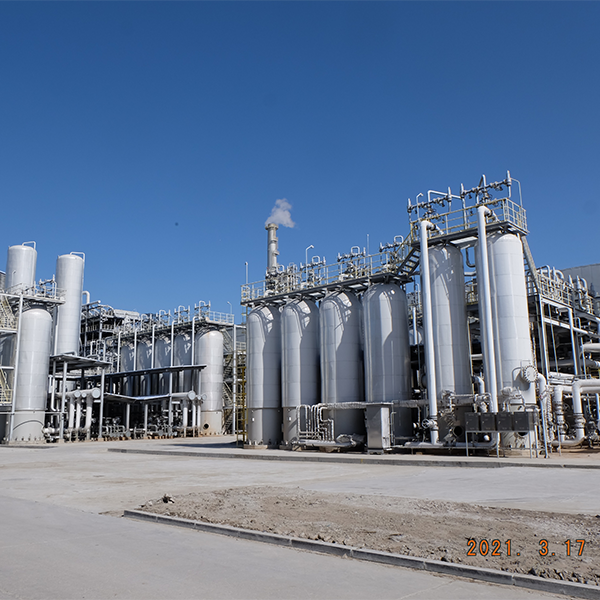 Hydrogen production from coke oven gases
 -
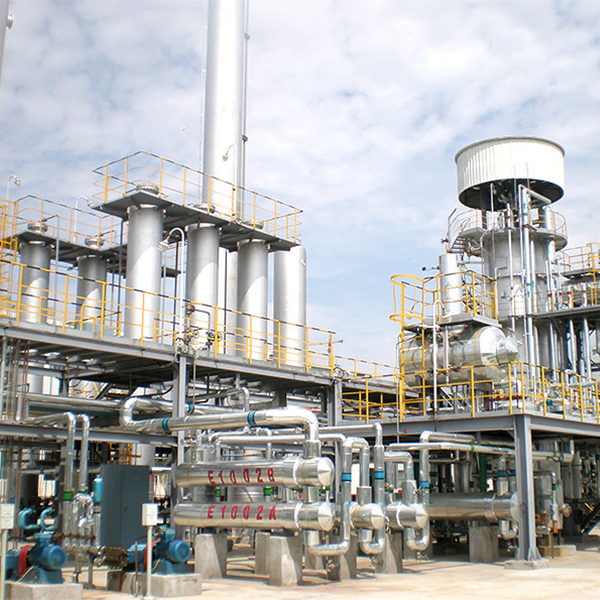 Hydrogen production by conversion of light hydrocarbons with steam
 -
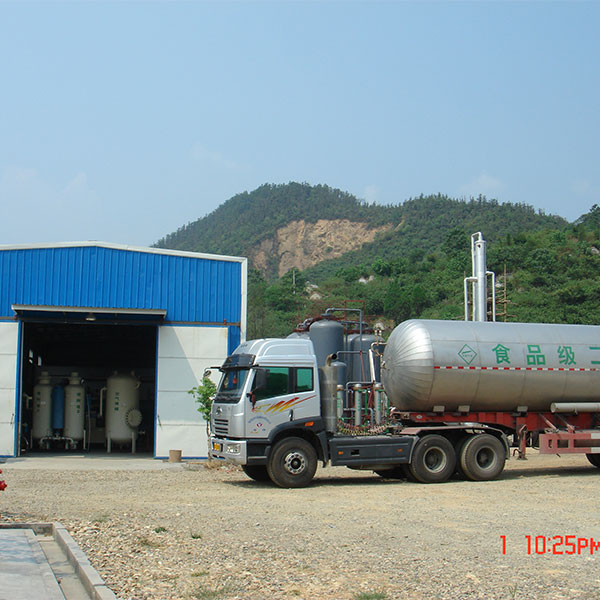 Food grade CO2 purified
 -
 Technology of desulfurization and CO2 removal using NHD method
 -
 Flue gas denitrification SCR、SNC
 -
 Hydrogen purification technology by pressure swing adsorption
Relatedsearch
Related Search- China air conditioner valve exporters
- China three way valve factory
- China Fuel Valve Manufacturer
- China Ionic Liquid Desulfurizer Exporter
- China Gas Adsorbent Suppliers
- China MEA/MDEA/NHD Desulfurization Technology Suppliers
- China catalyst adsorbent price
- China adsorbent tablets price
- production of adsorbents
- China check valve price