


Products
-
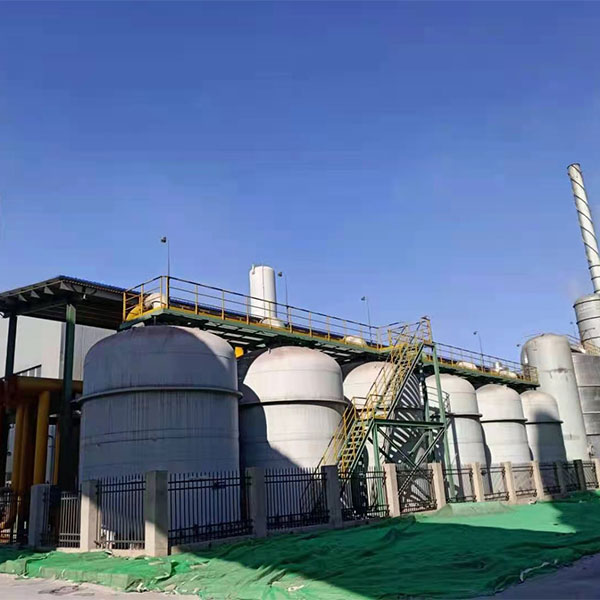
CO2 removal by pressure swing adsorption
-
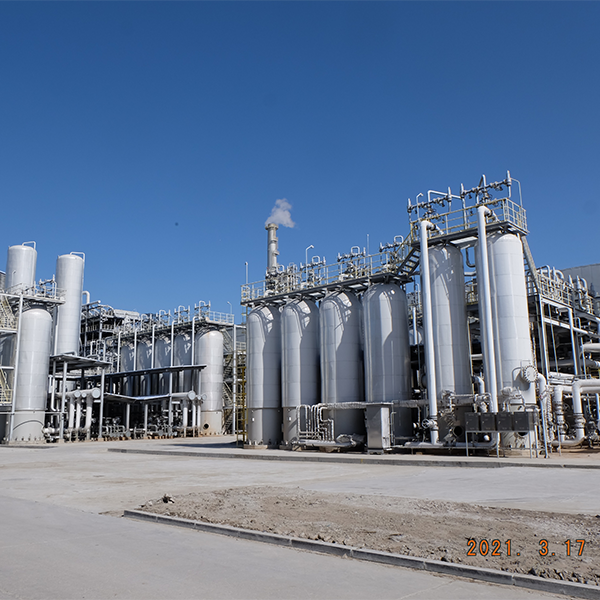
Hydrogen production from coke oven gases
-
Oxygen purification and utilization
-
Liquefaction of natural gas
-
Coal gas organic sulfur fine removal technology
-
Flue gas desulfurization technology using ammonia
-
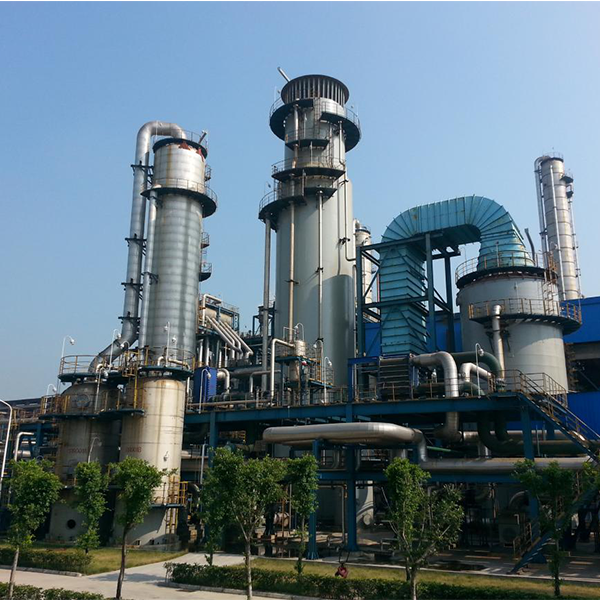
MEA-MDEA-NHD Desulfurization Technology
-
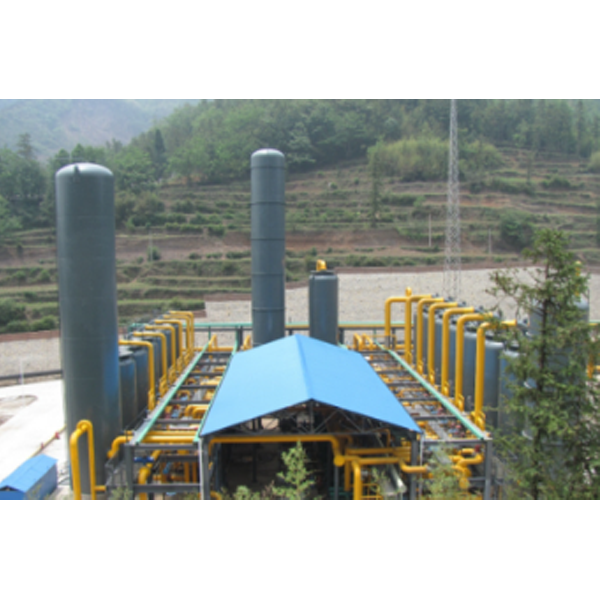
Methane extraction technology – coalbed methane
-
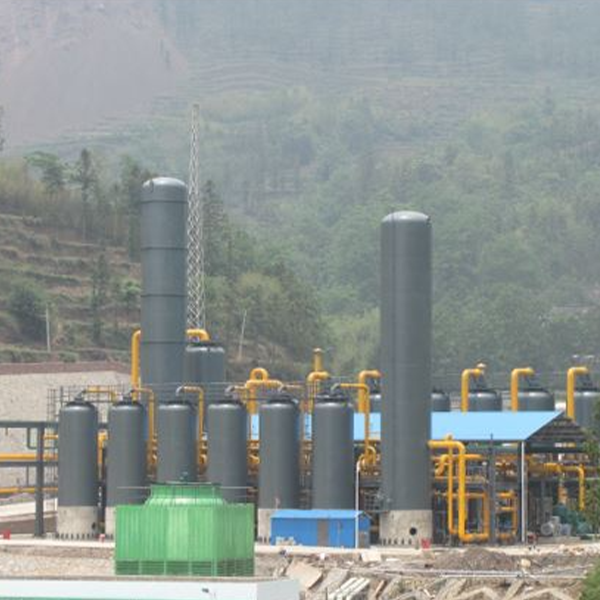
Methane extraction technology - biogas
-
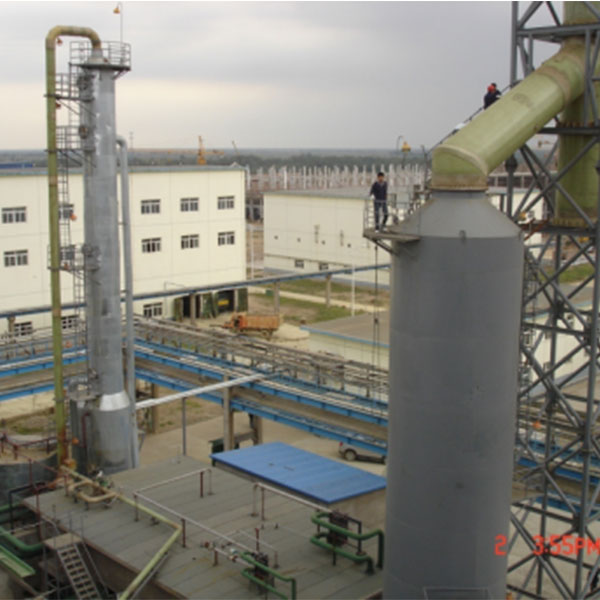
Ionic liquid desulfurization technology
-
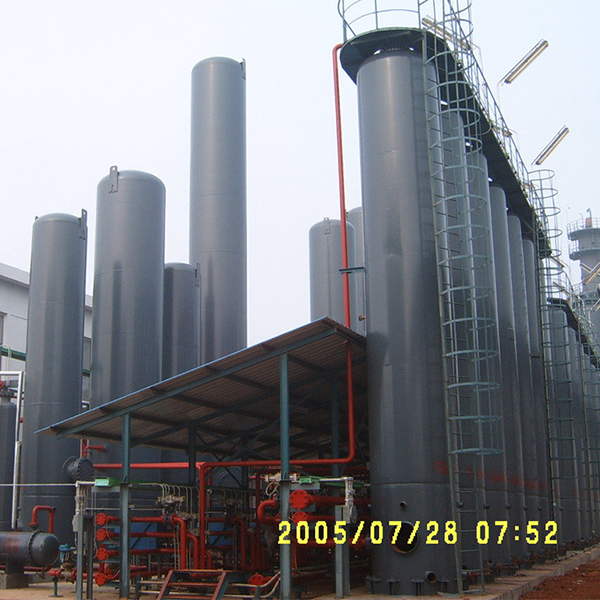
CO removal by pressure swing adsorption
-

Battery material precursor production technology
-
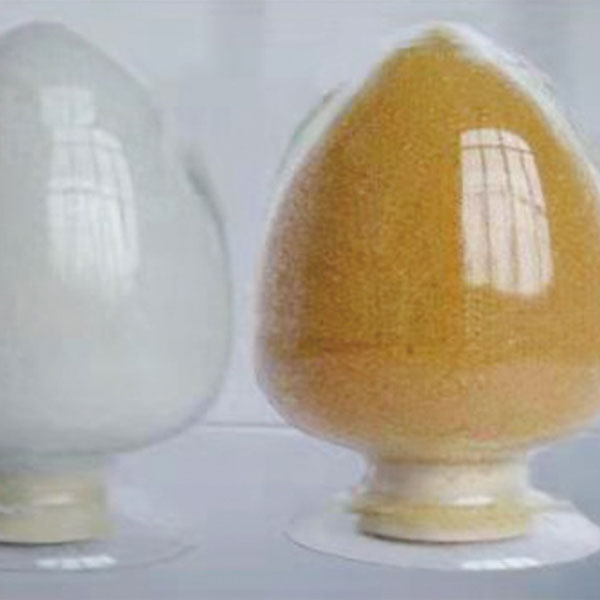
Unit desalting and demineralization equipment and special resin
-
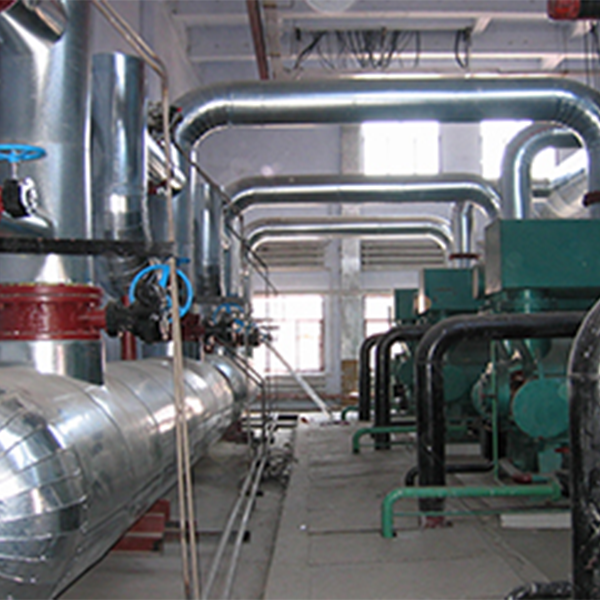
Oxygen production by pressure swing adsorption
-
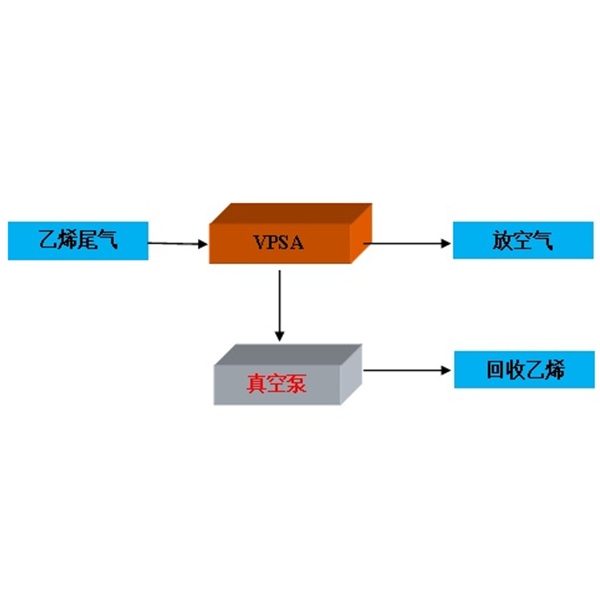
Ethylene tail gas recovery
-
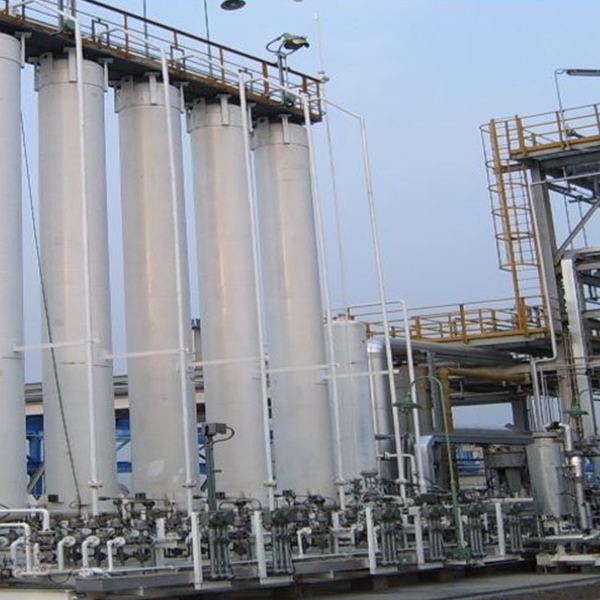
Argon purification
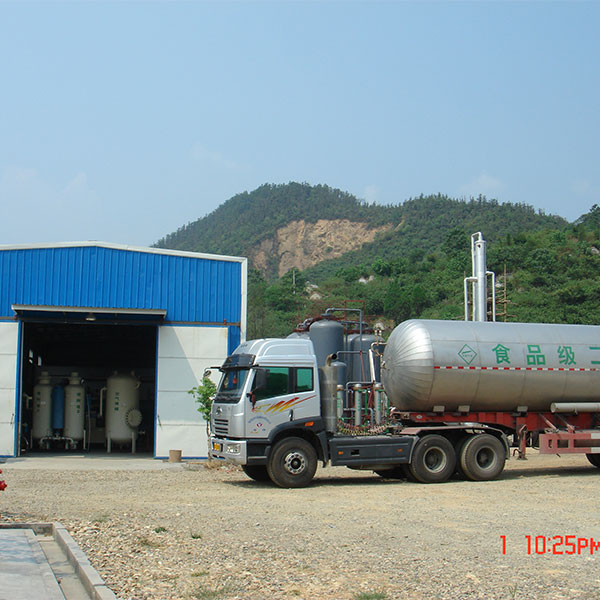
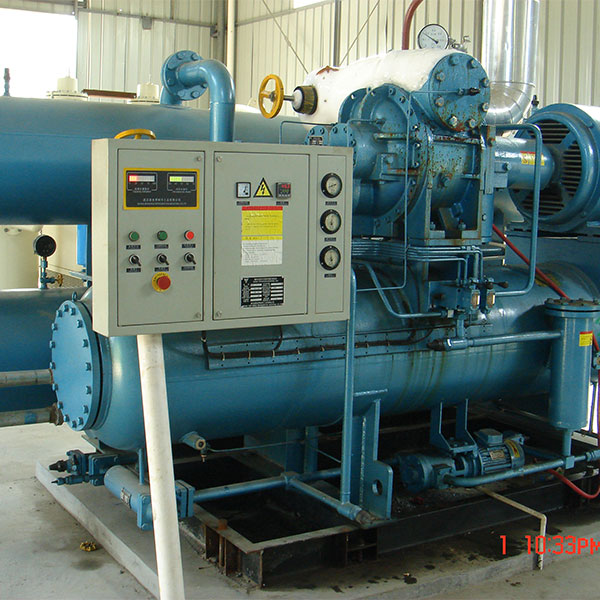
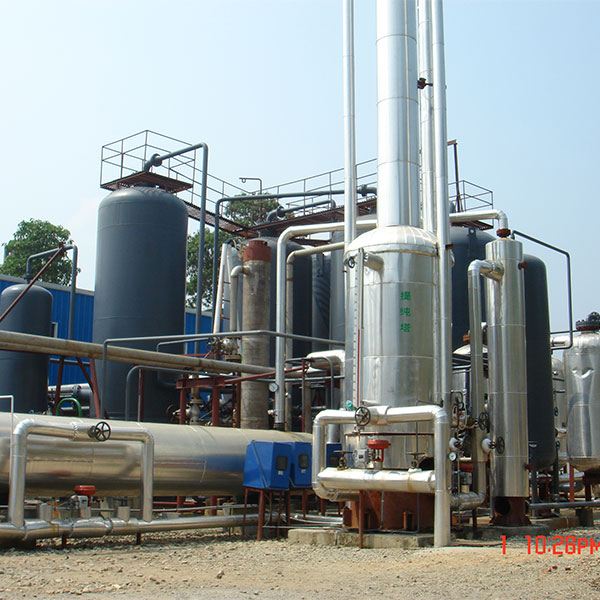
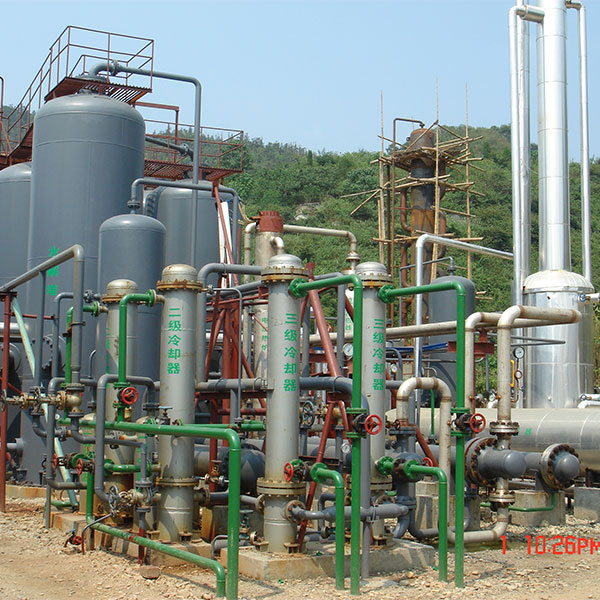
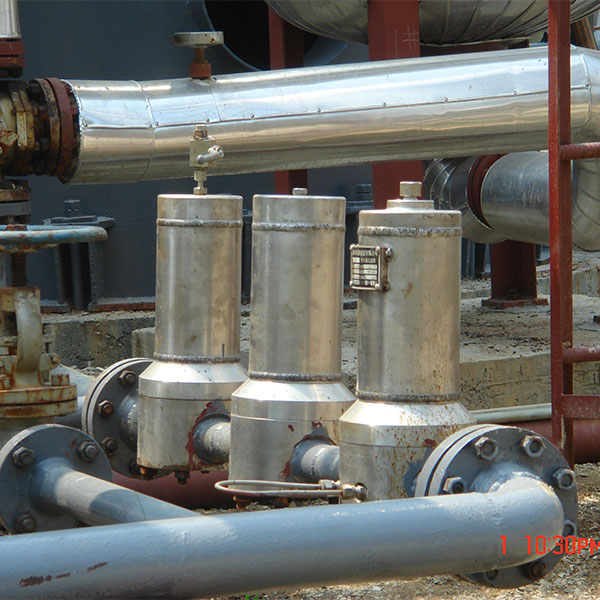
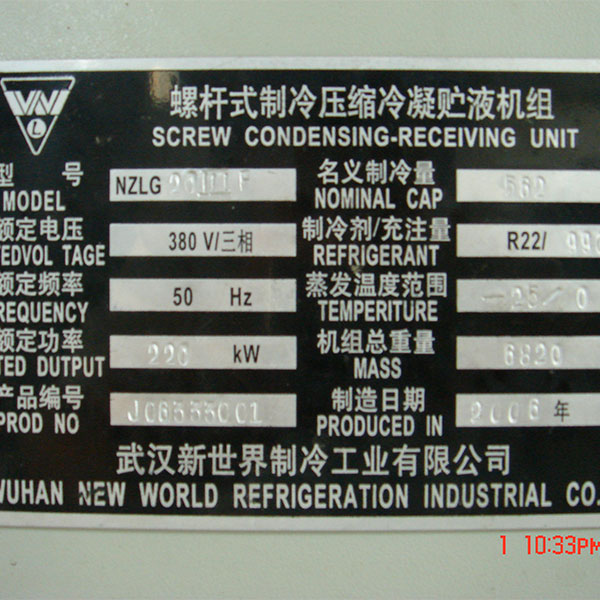
Food grade CO2 purified
Food grade CO₂ purified
Adopting the internationally recognized new technology of catalytic oxidation treatment, the catalytic treatment tower adopts a new type of internal cooling device, so that the bed temperature distribution is in the appropriate reaction zone, normal production heat balance, reducing the use of electric furnaces and extending the service life of the catalyst.
Description
marker
use:
Food grade CO2 purified
Introduction of technology
Adopting the internationally recognized new technology of catalytic oxidation treatment, the catalytic treatment tower adopts a new type of internal cooling device, so that the bed temperature distribution is in the appropriate reaction zone, normal production heat balance, reducing the use of electric furnaces and extending the service life of the catalyst.
Adopting self-balancing distillation and purification device, no need for external refrigerant supply, self-balancing cooling capacity of the device, energy consumption is greatly reduced.
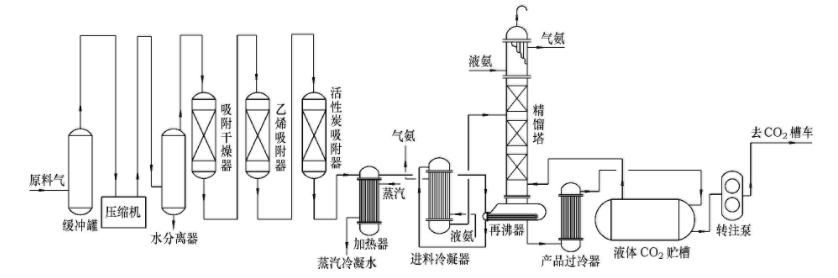
The raw CO2 gas from the decarbonization unit passes through a water-wash column to remove the decarbonization liquid and most of the water-soluble impurities contained in the raw gas. The purified gas is compressed by a compressor and enters the system. It is then subjected to coarse desulfurization to remove H2S and then fine desulfurization. It is filtered to remove oil and impurities. After adding the appropriate amount of oxygen or air, the gas is sent to the dehydrocarbon tower, the dehydrocarbon tower is installed before the heat exchanger of the heat recovery tower, and hydrocarbons, benzene and other oxygen-containing organics are removed through the dehydrocarbon tower. The gas leaving the dehydrocarbonation tower is cooled by water and separated by the heat exchanger, then cooled and dried by the gas leaving the purification tower, and finally purified of CO2 in the drying tower, and then sent to the purification tower under reduced pressure, and the liquid CO2 from the purification tower, after being subcooled in the ammonia chiller, meets the quality requirements and is sent to the storage tanks.
Flow diagram
contact us
Related Popular Products
Flue gas CO2 recovery technology
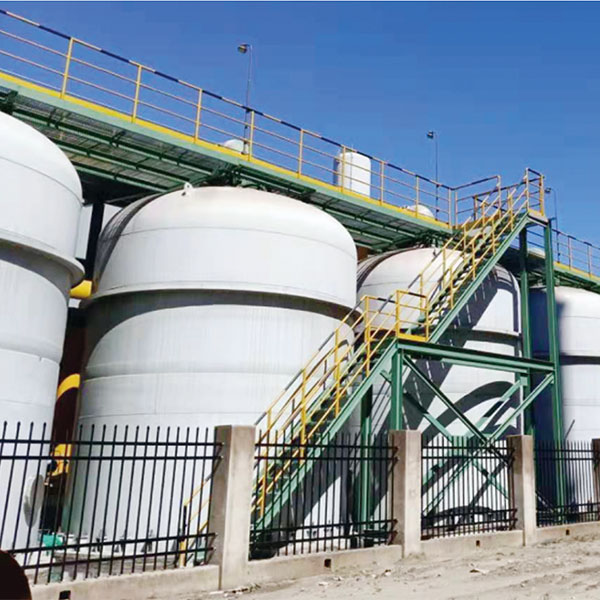
The flue gas from casing kilns (lime kilns) is characterized by low pressure, high temperature, dust, low CO2 content and the presence of impurities such as NOx and SO2. According to the characteristics of the feed gas and the product quality requirements, the technological process of flue gas CO2 recovery plant mainly includes: deep furnace gas purification, single-column VPSA enrichment, double-column VPSA enrichment, CO2 compression, CO2 purification, CO2 liquefaction and purification, CO2 evaporation, storage and supply system.
Unit desalting and demineralization equipment and special resin
This unit is an exclusive block device for the ionic liquid flue gas desulfurization project and is the key equipment for the ionic liquid desulfurization process, the desalting device is designed to remove harmful impurities such as sulfuric acid roots, chlorine and fluorine in the ionic liquid; Sodium Removal Device are used to remove harmful cationic impurities such as sodium in ionic liquid.
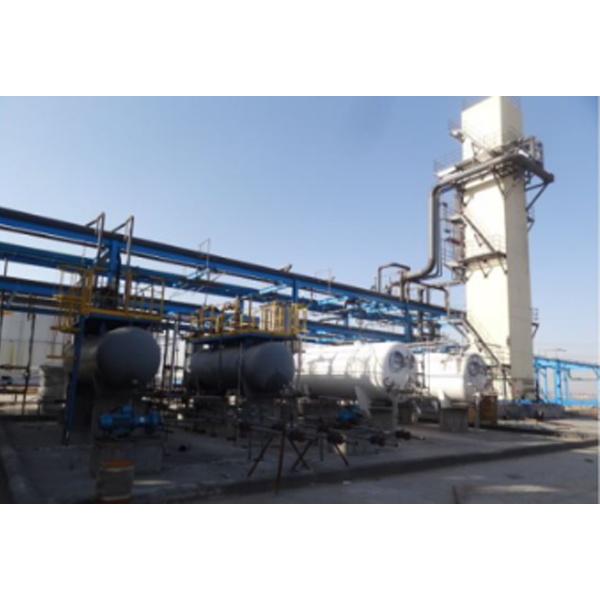
Liquefaction of natural gas
The production of LNG from natural gas first involves the absorption of CO2, H2S and other acidic components of natural gas with an MDEA solution. The unabsorbed purified gas is dried after separating the liquid, then enters the cold box to produce LNG.
Desulfurization technology using the redox wet method
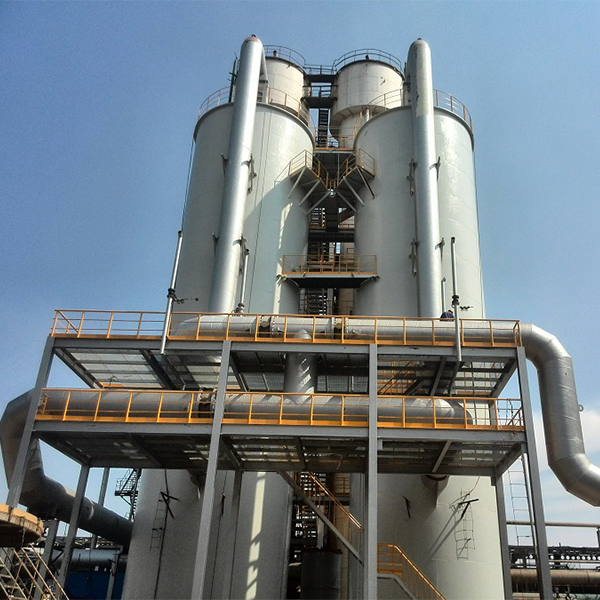
HDS cyanogen desulfurization and removal technology is a wet oxidation method, which is a distinctive desulfurization method developed by Huaxi and scientific and technical personnel in the synthetic ammonia and coke industry, which allows the desulfurization percentage of H2S in gas to be at least 99.9%, and the desulfurization percentage of HCN to be more than 97%.
Hydrogen production by conversion of light hydrocarbons with steam
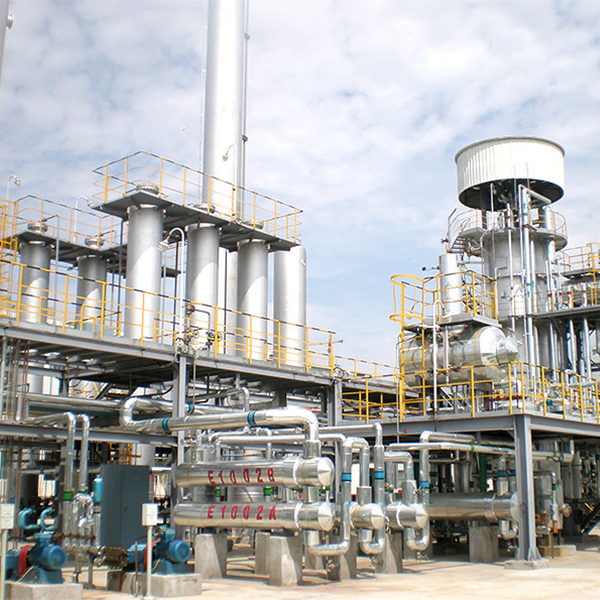
The production of hydrogen from natural gas consists of two parts: the conversion of gas vapor into converted gas and the purification of hydrogen using the PSA method. After compression and desulfurization, natural gas is mixed with water vapor. Under the action of nickel catalyst at a temperature of 750~850℃, natural gas is converted into converted gas consisting of hydrogen, carbon monoxide and carbon dioxide. The converted gas can be further converted into hydrogen and carbon dioxide by conversion technology, then the converted gas or reformed gas is purified and separated by PSA method to produce high purity hydrogen.
Hydrogen purification technology by pressure swing adsorption
The Pressure Swing Adsorption Nitrogen Generator (abbreviated as PSA Nitrogen Generator) is a nitrogen generator designed and manufactured on the principle of gas separation with PSA technology. Usually two adsorbers are used, the automatic control system strictly controls the time sequence according to a certain programmable program, alternately carries out pressure adsorption and pressure reduction regeneration to carry out the separation of nitrogen and oxygen and obtain nitrogen of the required purity.
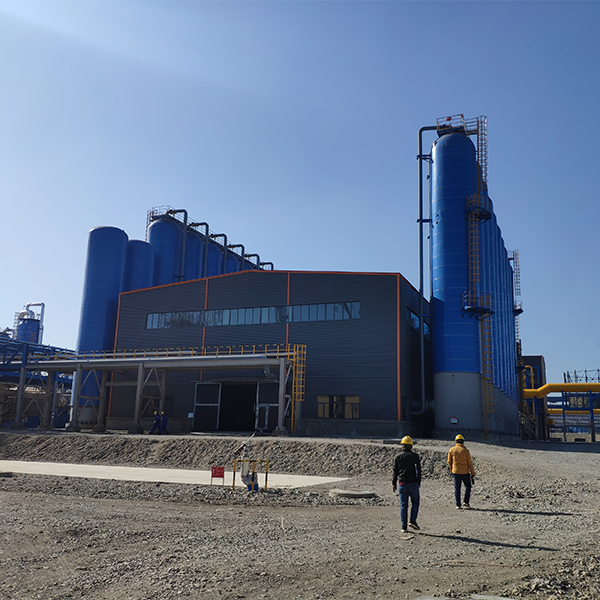
Hydrogen production by coal gasification
Producing technical hydrogen from coal is a good option for large-scale hydrogen production or in the absence of other suitable raw materials. From raw coal, high purity hydrogen is produced through gasification, conversion, purification, PSA, etc. units.
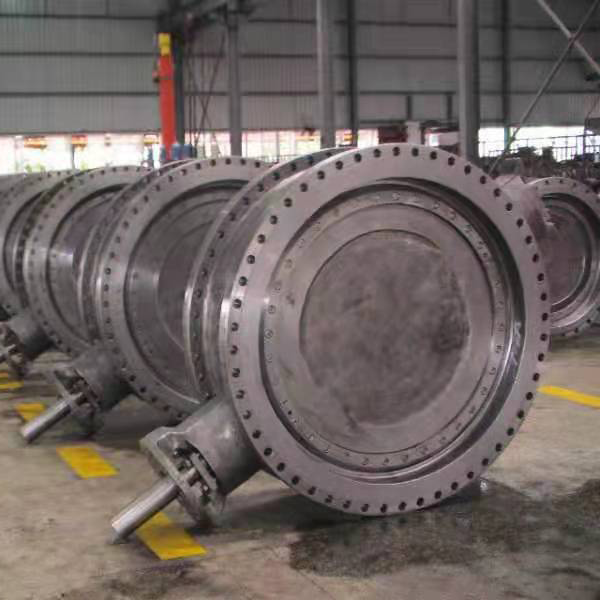
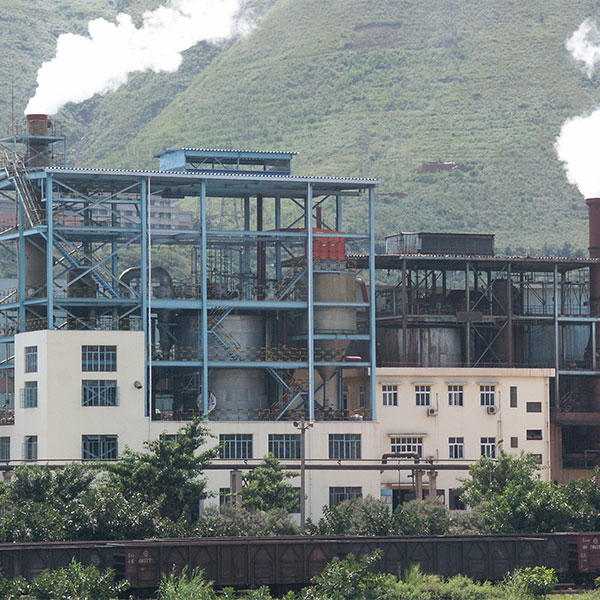
Waste acid regeneration
Our company provides waste acid regeneration technology and acts as a general contractor for the supply of complete plants, as well as related services for maintenance, technical reconstruction, sale of spare parts, etc.
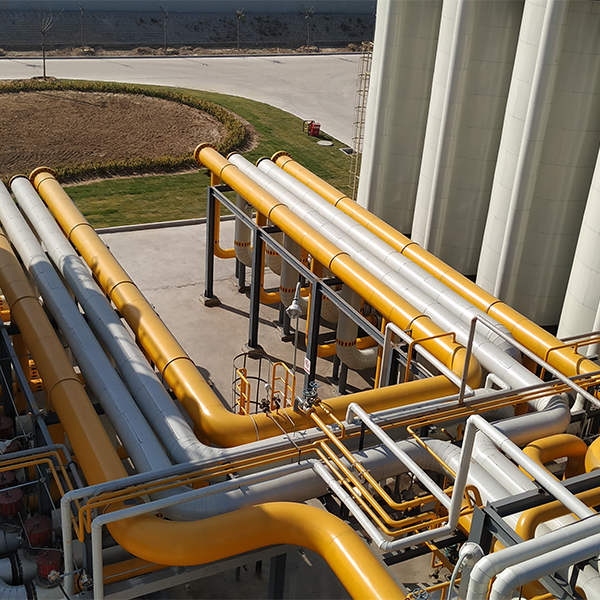
Coke gas purification technology
After recycling in the chemical industry, coke oven gas retains impurities of sulfur, tar, naphthalene and benzene. When producing electricity from coke oven gas and CCPP, compressing coke oven gas, heating coke oven gas, cutting coke oven gas and producing chemical products from coke oven gas, production problems arise, such as clogging of nozzles, corrosion, excess SO2 emissions after combustion, carbon deposits and poisoning of catalysts, so deep purification of coke oven gas from harmful impurities is necessary.
CO removal by pressure swing adsorption
Purification of carbon monoxide from a mixture containing carbon monoxide is carried out by PSA technology. First remove carbon dioxide, moisture and traces of sulfur from the feed gas; The purified gas enters the VPSA unit to remove hydrogen, nitrogen, methane and other impurities, the adsorbed carbon monoxide is removed as a product after vacuum desorption during decompression.
Ionic liquid desulfurization technology
Ionic liquid house gas desulphurization technology is mainly designed to treat and utilize sulfur dioxide in flue gas and other industrial waste gases. The most important feature of the technology is that, simultaneously with the removal of sulfur dioxide from the flue gas, high-purity sulfur dioxide (>99.5%) is produced by-product and sulfur pollutants are recycled. High-purity sulfur dioxide can serve as an excellent raw material for the production of liquid sulfur dioxide, sulfuric acid, sulfur and other chemical products.
Wet CO2 removal technology
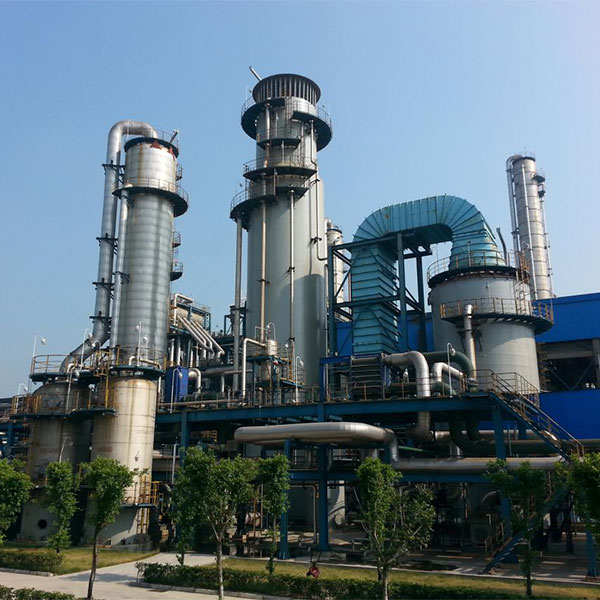
Wet method decarbonization technology is a low energy consumption technology that is widely used to remove CO2 and H2S from synthetic ammonia, methanol feed gas, refinery gas, urban coal gas and natural gas.
Methane extraction technology - biogas
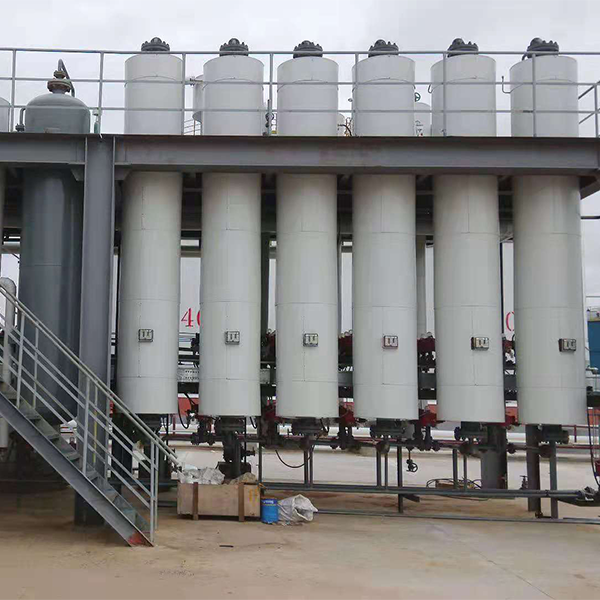
PSA natural gas purification is a technology using adsorbent to separate gases such as methane, carbon dioxide and nitrogen in biogas to achieve the goal of methane enrichment. Biogas removes water through a liquid separation tank and then after desulphurization in a column enters PSA to produce natural gas product. Installation scale: 200~5000nm³/h.
Hydrogen production by splitting methanol
This process is based on the convenient source of methanol and desalting water as raw materials, at a temperature of 220-280°C, a special catalyst is catalyzed into converted gas containing hydrogen and carbon dioxide, the principle of which is as follows: Main reaction: CH3OH=CO+2H2 +90.7 kJ/mol CO+H2O=CO2+H2 -41.2 kJ/mol General reaction: CH3OH+H2O=CO2+3H2 +49.5 kJ/mol Auxiliary reaction: 2CH3OH=CH3OCH3+H2O -24.9 kJ/mol CO+3H2=CH4+H2O -+206.3 kJ/mol
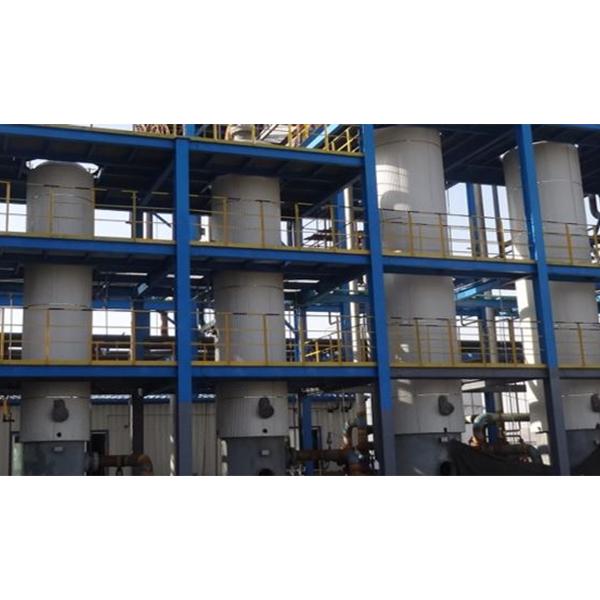
Coal gas organic sulfur fine removal technology
Because blast furnace gas contains organic sulfur, H2S and other impurities, if blast furnace gas is used as fuel, the SO2 in the flue gas does not meet emission standards. There are two main measures to reduce emissions: blast furnace gas desulfurization or exhaust flue gas desulfurization.