

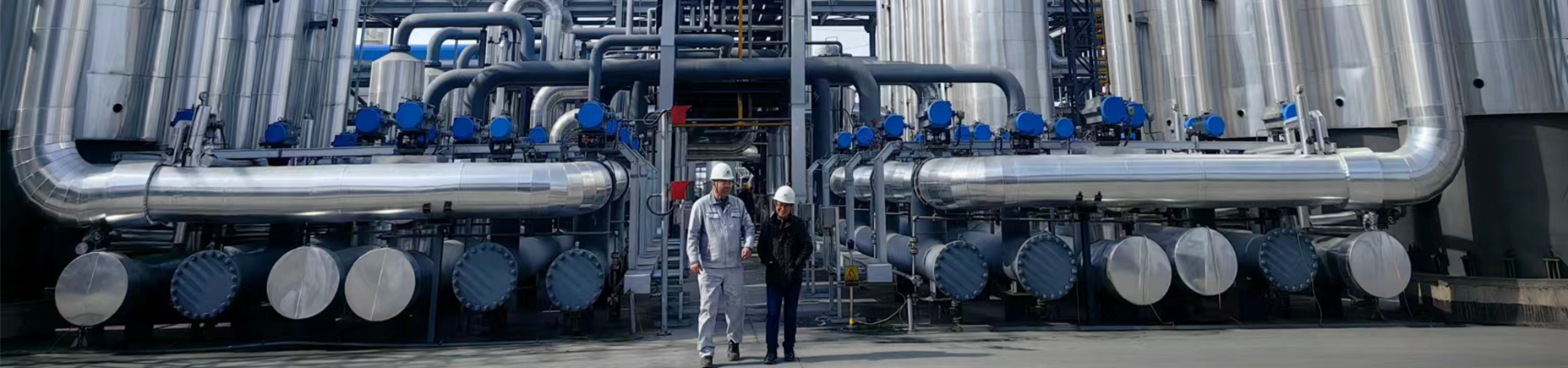
Block equipment for desalting and demineralization with special resin
When they talk aboutblock equipment for desalting and demineralization, many immediately imagine just a compact container with a couple of columns inside. But if you dig deeper, especially when it comes to systems withspecial resin
From idea to hardware: where the pitfalls lie
Take, for example, our work on a project for a thermal power plant in the north. The customer wanted a modular solution - quickly installed, with a minimum of construction work on site. The terms of reference are standard: deep desalination of feed water, use of a special mixed-action resin. It would seem that take a standard project and repeat. But analysis of the source water showed a high content of organic matter, which is known to be lethal to most standard strong-base anion exchangers. This is where it started.
I had to delve into the specifics of the resins. Don’t just order a “special” one, but select one that has increased resistance to organic pollution, possibly with a macroporous structure. And this immediately leads to a chain of changes: regeneration modes, alkali concentrations, solution temperatures. In a typical block, all these parameters are often hardwired “like everyone else?” But here - no. It was necessary to actually redesign the chemical water treatment system inside this very block, leaving only the outer frame from the standard one.
And that's not all. Block design imposes strict restrictions on dimensions. When you add additional containers for more gentle regeneration or provide bypass lines for washing the resin separately, you start to run out of space. You literally have to fight for every centimeter inside the container. Engineers from Chengdu Yizhi Technology Co. (https://www.yzkjhx.ru) we often encounter this. Their experience as a design institute that grew out of Huaxi Technology is very valuable in this particular “package”. complex technological solutions in a limited volume. They don't just sell a block, they work out its contents down to the smallest detail.
Special resin is not magic, but a tool
I have seen the term “special resin” used many times. becomes a marketing fetish. Like, let’s install it and all problems will be solved. In practice, everything is different. This ?specialty? always has a targeted purpose: for working with high silicon, for reducing neutral salts to ultra-low values, for conditioning water in pharmaceuticals. There is no universal miracle resin.
I remember an incident at a chemical production plant. The task there was to remove traces of specific heavy metal ions after the main purification. Standard cation exchangers did not provide the required degree of purification. We selected a selective resin with complexing groups. The efficiency was excellent, but... its mechanical strength turned out to be lower than that of our usual resins. Under conditions of vibration from pumps operating nearby in the same block, it began to wear out, and small items appeared and were carried into the line. It was necessary to urgently modify the design of the lower distribution device in the column and install additional fine filters at the outlet. Conclusion: special resin requires a special attitude in operation, and the block must take this into account.
This is why in major projects like those led by Chengdu Yizhi Technology Co., the resin selection stage goes hand in hand with the equipment design stage. Their status as a design institute with a solid authorized capital allows them not just to take resin from a catalog, but to conduct a dialogue with manufacturers, order pilot tests, and receive batches with specific characteristics. It's long, but it's the only way to a reliable system.
Installation, start-up, and first regeneration - the moment of truth
The unit was brought to the site, installed, and connected. The fun begins at the initial launch and debugging stage. All calculations and simulations are theory. Practice always makes adjustments. The first regeneration is especially criticalspecial resin. Incorrect preparation of regenerants, incorrect sequence of operations (for example, when regenerating a mixed-action resin) - and you can greatly reduce its exchange capacity or even ruin it.
Once I observed how, due to an error in setting the valves on the block, the supply of alkali went until the resin was properly washed from the acid. The result was thermal shock and partial precipitation of salts in the pores. Productivity dropped by 30% immediately. The system had to be stopped and a deep restorative cleaning of the resin was carried out, which was not planned and took a lot of time. This is a typical ?disease? complexblock equipment— a high degree of automation requires flawless configuration of the control logic. Any mistake in a PLC is costly.
Here again, the important approach is when the supplier is responsible for the complex: for hardware, technology, and commissioning. I look at the experience of https://www.yzkjhx.ru - they position themselves precisely as an engineering company. For them, I think, shipping the block is not the end of the story. The correct transfer of technology to the customer and training of personnel in precisely those nuances that distinguish working with special ion exchangers from the routine operation of standard installations are critically important.
Economics versus reliability: the eternal debate
In conversations with customers, you constantly come up against the issue of price.Modular desalting equipmentwith special resins - the solution is not cheap. And there is always a temptation to save money: install a simpler block, buy cheaper resin, reduce the number of control and measuring instruments and automatic circuits. Experience, often bitter, shows that such savings backfire.
There was a project for a small boiler room, where they decided to do without a silicon analyzer at the output after the blocksdemineralization. They say that we will carry out regeneration according to a fixed time or according to the average volume of water passed through. The resin was good, but the source water changed its composition seasonally. As a result, into one ?beautiful? the moment of silicon breakthrough turned out to be critical, which led to the formation of silicate deposits in the medium-pressure boiler. The damage from downtime and repairs exceeded the cost of that same analyzer many times over. The block was in good working order, the resin was functional, but the absence of one feedback element brought the entire system to naught.
Therefore, in a competent project, such as those undertaken by Chengdu Yizhi Technology Co., Ltd., the savings should be smart. Sometimes excessive simplification is more expensive than the initially built-in redundancy in control and management. Their capital of 120 million yuan, in my opinion, speaks not only of scale, but also of the opportunity to invest in the quality of design solutions, rather than selling bare metal.
Looking Ahead: Beyond Ion Exchange
Working with such systems, you begin to see their place in the big picture.Block equipment for desalting and demineralizationon special resins - this is not always the end point. Increasingly, it becomes one of the stages in a cascade, for example, before a reverse osmosis or electrodeionization installation. Its role is not just to remove salts, but to prepare water for the next, more subtle stage, removing those contaminants that are fatal to membranes (same silicon, boron, organics).
This changes the requirements. You need to think not only about the quality of the water leaving the unit, but also about the stability of its composition, and about minimizing the removal of fine resin that clogs the membranes. The design of filter traps, the quality of loading - all this is from the category of "trifles" moves into the category of critical parameters.
I think for design institutes like the mentioned Chengdu Yizhi Technology Co. this direction is very promising. Integrated turnkey solutions, where ion exchange is not an isolated box, but an integrated part of the process chain. Their website yzkjhx.ru, by the way, shows that they are moving in this direction, offering not individual blocks, but systems. This is the future: not selling resin in barrels and not boiling containers, but designing and guaranteeing the result - water with the specified parameters. And in what way, with the help of what resins and in what housing this will be achieved - these are already professional details, which, in fact, are all the work.
Correspondingproducts
Related Products
Best Sellingproducts
Best Selling Products-
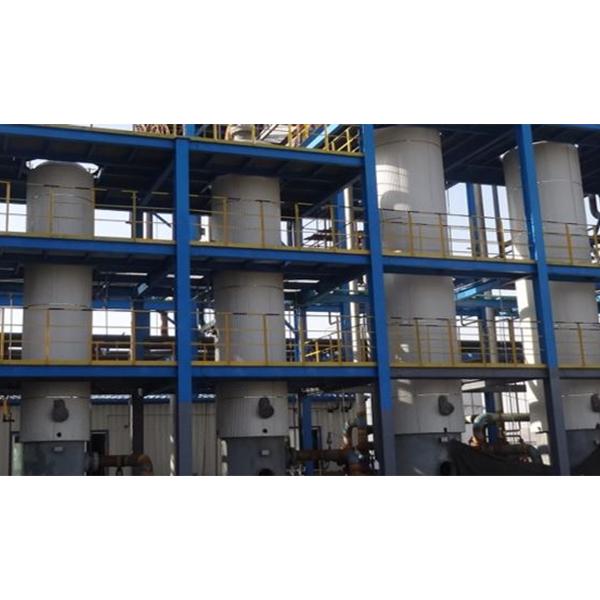 Coal gas organic sulfur fine removal technology
 -
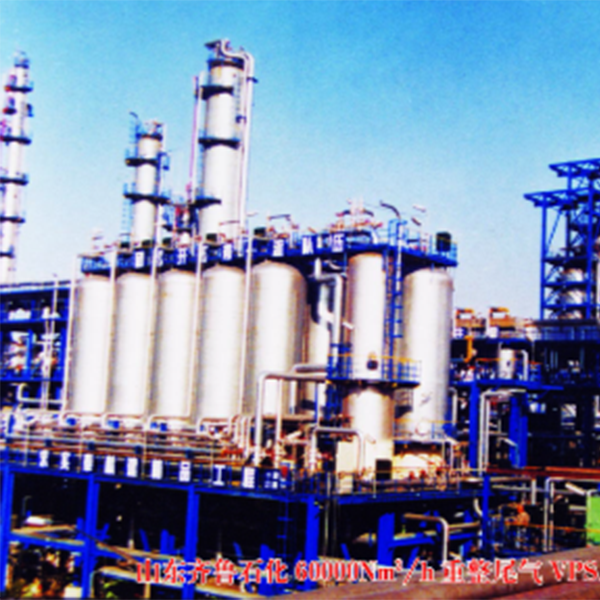 Hydrogen purification technology by pressure swing adsorption
 -
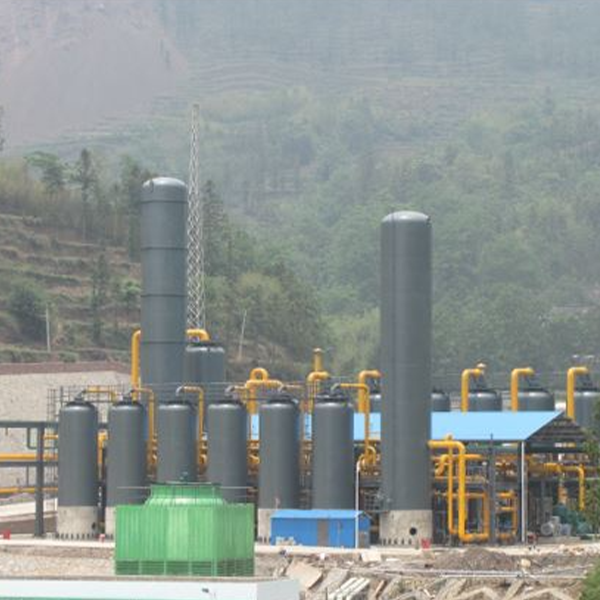 Methane extraction technology - biogas
 -
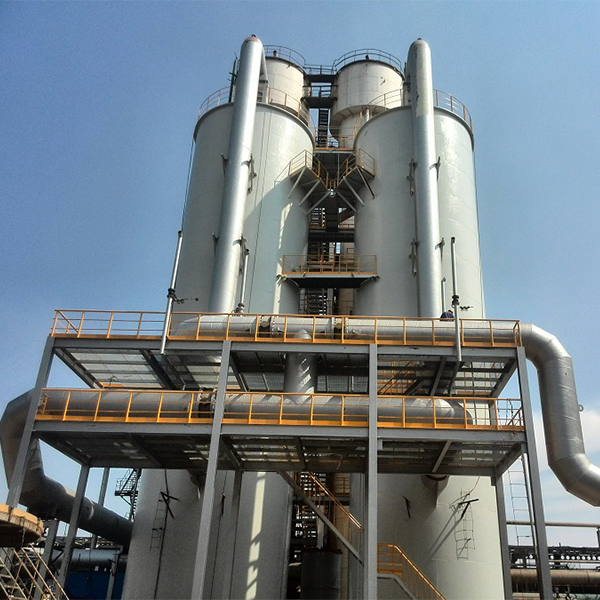 Desulfurization technology using the redox wet method
 -
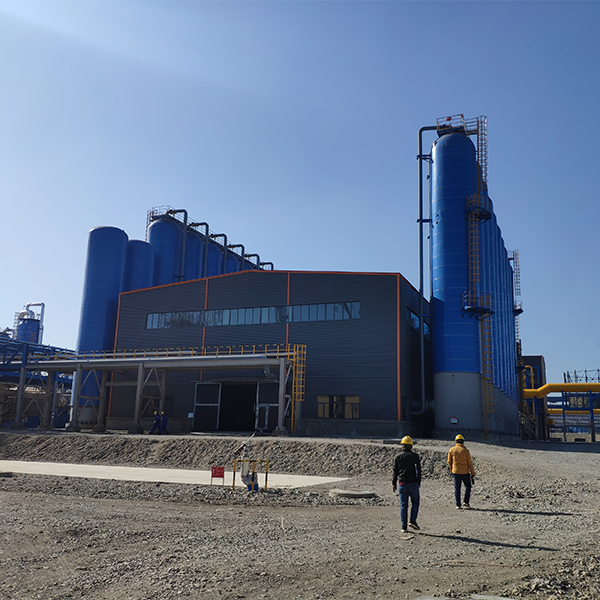 Hydrogen production by coal gasification
 -
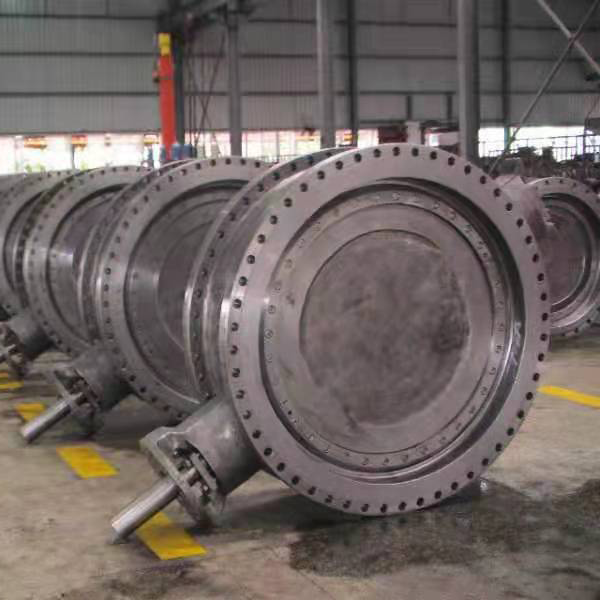 Valve
Valve -
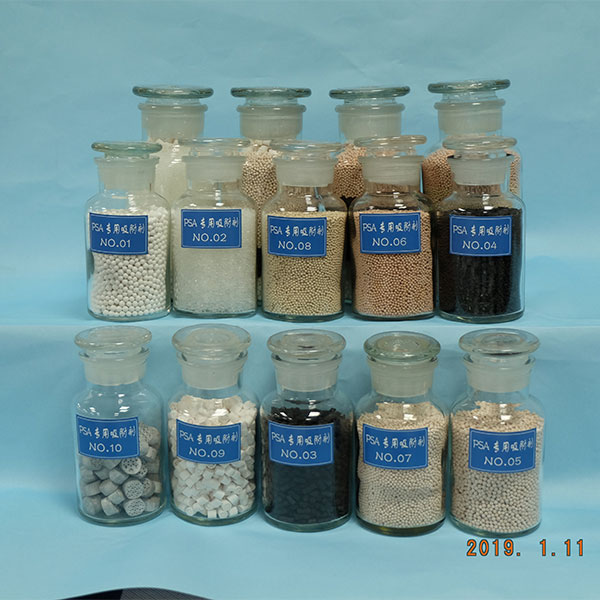 absorbent
 -
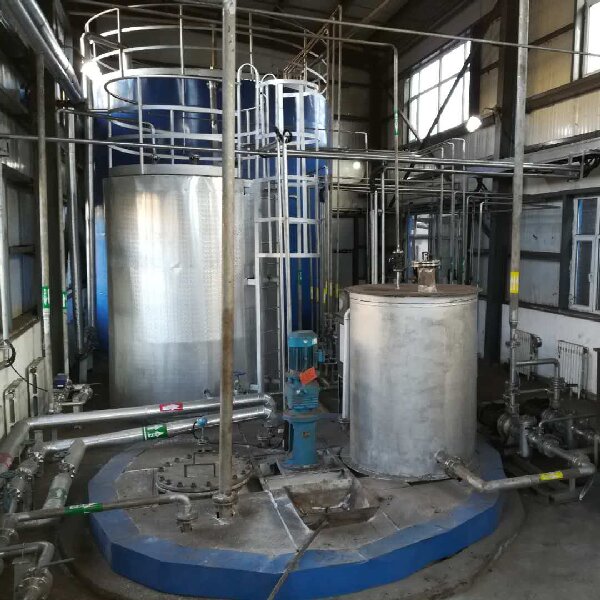 Flue gas denitrification SCR、SNC
 -
 Ionic liquid desulfurizer
 -
 MPS decarbonization technology
 -
 Waste acid regeneration
 -
 Liquefaction of natural gas
Relatedsearch
Related Search- Wet CO2 removal technology in China
- China Air Conditioner Valve Manufacturers
- China LNG unit Main buyer country
- China Liquefied Natural Gas Manufacturer
- China natural adsorbent Exporter
- China adsorbent gas price
- China Ionic Liquid Desulfurization Technology factories
- adsorbents drugs list factory
- adsorbents supplier list
- China Gas Adsorbents Manufacturers